Published: November 18, 2026
Uganda has the freshest figures in this series. Its 2024 census counted every tribe, and the count changed the order. The Baganda number 8,088,452 people in 2026, 15.33 percent of the country. They outnumber the Banyankore in second place by 3,260,276 people, and they alone exceed the Iteso and the Bakiga combined. The Iteso have overtaken the Bakiga since the last census, and the Banyoro have overtaken the Lugbara. Tenth place is decided by 14,095 people, the tightest race on a census basis in this series, and the best alternative count reverses it.
The ranking uses the Uganda Bureau of Statistics 2024 census ethnic counts, with each group's share applied to Uganda's 2026 population of 52,761,469 from the United Nations World Population Prospects. The census itemises more than ten groups, so no Joshua Project figures enter the table. The CIA World Factbook's shares date from the 2014 census and are used only as corroboration. The Methodology explains the disputes behind the figures. This is the eleventh entry in our series ranking the tribes of every African country, after Nigeria, Ghana, South Africa, Kenya, DR Congo, Ethiopia, Egypt, Tanzania, Sudan and South Sudan.
Key Facts
- The Baganda rank first with 8,088,452 people, 15.33 percent of Uganda, about 1.68 times the Banyankore in second place and more than the Iteso and Bakiga combined.
- The top two groups alone, the Baganda and the Banyankore, cover 12,916,628 people, 24.48 percent of Uganda. The ten ranked groups together cover 34,739,706 people, 65.84 percent.
- The 2024 census is the newest official ethnic count in this series, and it changed the order: the Iteso overtook the Bakiga, and the Banyoro overtook the Lugbara, since the 2014 census.
- The tightest race on a census basis in the series: the Banyoro edge the Lugbara by 14,095 people, and Joshua Project's estimates reverse the order.
- Uganda's statistics office withdrew the first 2024 census report after a printing error swapped 2014 figures. The 2024 counts used here are the corrected figures from the final December 2024 report.
| Rank | Tribe | Share of Uganda | Population (2026) | Main Homeland |
|---|---|---|---|---|
| 1 | Baganda | 15.33% | 8,088,452 | Central Uganda, Buganda, around Kampala, Masaka and Mubende |
| 2 | Banyankore | 9.15% | 4,828,176 | Southwestern Uganda, Ankole, around Mbarara |
| 3 | Basoga | 8.07% | 4,256,664 | Eastern Uganda, Busoga, around Jinja and Iganga |
| 4 | Iteso | 6.85% | 3,615,951 | Eastern Uganda, Teso, around Soroti and Kumi |
| 5 | Bakiga | 6.42% | 3,388,101 | Southwestern Uganda, Kigezi, around Kabale and Kisoro |
| 6 | Langi | 5.89% | 3,107,016 | Northern Uganda, Lango, around Lira |
| 7 | Bagisu | 4.57% | 2,409,212 | Eastern Uganda, Bugisu, around Mbale and Mount Elgon |
| 8 | Acholi | 4.23% | 2,231,941 | Northern Uganda, Acholiland, around Gulu and Kitgum |
| 9 | Banyoro | 2.68% | 1,414,144 | Western Uganda, Bunyoro, around Hoima and Masindi |
| 10 | Lugbara | 2.65% | 1,400,049 | Northwestern Uganda, West Nile, around Arua |
The shares in this table come from the Uganda Bureau of Statistics National Population and Housing Census 2024, applied to Uganda's 2026 population of 52,761,469. The 2026 figures are estimates built on a census count, not a fresh count. The census counted 45,905,417 people in May 2024.
The first name outside the ranking is the Alur, at 1,325,039 people in 2026, just 75,010 behind the Lugbara. Behind them, the Bakonzo sit at 1,269,415 and the Batoro at 1,155,596. The gap at the cut is the tightest on a census basis in this series, and it is the only gap under 100,000 people in the table. The next tightest gap is between the Iteso and the Bakiga, at 227,850 people. The top five are separated by comfortable gaps, the smallest of them 227,850 people.
1. Baganda: 8,088,452
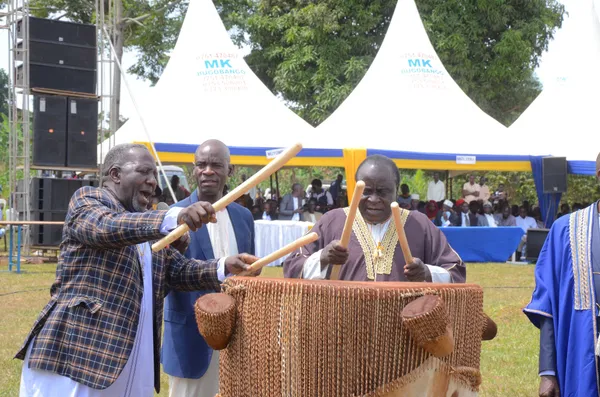
The Baganda live in central Uganda, in Buganda, around Kampala, Masaka and Mubende. They are the people of the Buganda kingdom, headed by the Kabaka, and their language is Luganda. At 15.33 percent, roughly one Ugandan in six or seven is Muganda. They lead the Banyankore by 3,260,276 people, and they alone exceed the Iteso and Bakiga combined by 1,084,400 people. Their share has fallen since the 2014 census, from 16.5 percent to 15.3 percent, even as their counted number grew from 5,555,319 to 7,037,404. The rest of the country grew faster than Buganda did.
2. Banyankore: 4,828,176
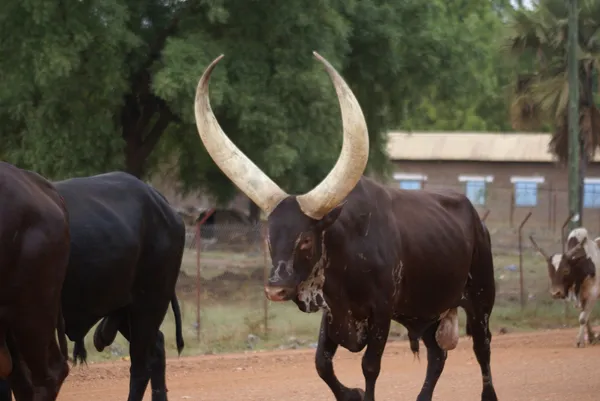
The Banyankore live in southwestern Uganda, in Ankole, around Mbarara. The census spells the group Banyankore, also written Banyankole. They are cattle people of the Ankole highlands, and the census counts the Bahima and the Bairu together under the one name. At 9.15 percent, they sit 571,512 people ahead of the Basoga. Their counted number grew from 3,216,332 in 2014 to 4,200,782 in 2024, the second largest absolute gain of any group in the census.
3. Basoga: 4,256,664
The Basoga live in eastern Uganda, in Busoga, around Jinja and Iganga, on the northern shore of Lake Victoria. They are the people of the Busoga kingdom, headed by the Kyabazinga. At 8.07 percent, they sit 640,713 people ahead of the Iteso. Their counted number grew from 2,960,890 in 2014 to 3,703,535 in 2024. Jinja, at the source of the Nile, stands on Basoga land.
4. Iteso: 3,615,951
The Iteso live in eastern Uganda, in Teso, around Soroti and Kumi. They are cattle people of the eastern plains, part of the Ateker group that stretches into Kenya. At 6.85 percent, they sit 227,850 people ahead of the Bakiga. This is the rank that changed. In the 2014 census the Bakiga were fourth at 7.1 percent and the Iteso fifth at 7.0 percent. The 2024 census reverses them. Some Iteso contend their figure has been deflated for political reasons, because budget allocation follows population. That claim is unverified, and it is stated here as a claim, not as a fact. Joshua Project counts the Iteso 12.5 percent above the census-scaled figure, which runs in the direction of the claim but is not evidence of it.
5. Bakiga: 3,388,101
The Bakiga live in southwestern Uganda, in Kigezi, around Kabale and Kisoro, in the terraced hills near the borders with Rwanda and DR Congo. At 6.42 percent, they sit 281,085 people ahead of the Langi. They fall one place from the 2014 census, when they ranked fourth. Their counted number still grew, from 2,390,446 in 2014 to 2,947,837 in 2024. The Bakiga are one of four groups whose 2014 figure was printed in the wrong row in the first 2024 report, when the figures for the Bakiga, Bagisu, Langi and Acholi were mixed up at the printing stage.
6. Langi: 3,107,016
The Langi live in northern Uganda, in Lango, around Lira. They are cattle people of the northern plains, between the Acholi to the north and the Iteso to the east. At 5.89 percent, they sit 697,804 people ahead of the Bagisu. Their counted number grew from 2,131,495 in 2014 to 2,703,277 in 2024. The Langi are another of the four groups whose 2014 figure was printed in the wrong row in the first 2024 report.
7. Bagisu: 2,409,212
The Bagisu live in eastern Uganda, in Bugisu, around Mbale and Mount Elgon. They are also called the Bamasaba, and they are known for the Imbalu circumcision ceremony held on the slopes of Elgon. At 4.57 percent, they sit 177,271 people ahead of the Acholi. Their counted number grew from 1,646,904 in 2014 to 2,096,149 in 2024. The Bagisu are one of the two groups at the centre of the census printing error. The first 2024 report appeared to show their number falling, because the 2014 figures for four groups, including the Bagisu and the Acholi, had been printed in the wrong rows. The corrected figures show growth, not decline.
8. Acholi: 2,231,941
The Acholi live in northern Uganda, in Acholiland, around Gulu and Kitgum. At 4.23 percent, they sit 817,797 people ahead of the Banyoro. Their counted number grew from 1,470,554 in 2014 to 1,941,913 in 2024. Like the Bagisu, the Acholi appeared to fall in the first 2024 report, for the same reason: the 2014 figures for four groups, including the Acholi and the Bagisu, had been printed in the wrong rows. The Acholi are the last group above two million people in this ranking.
9. Banyoro: 1,414,144
The Banyoro live in western Uganda, in Bunyoro, around Hoima and Masindi. They are the people of the Bunyoro-Kitara kingdom, headed by the Omukama. At 2.68 percent, they sit just 14,095 people ahead of the Lugbara. This is the tightest race on a census basis in the series, and it is not settled. Joshua Project's estimates reverse the order, counting the Lugbara at 1,595,000 and the Banyoro at 1,508,000. Early press coverage of the census also had the two groups swapped. The final December 2024 census report puts the Banyoro ahead, at 1,230,384 counted in 2024 against 1,218,121 for the Lugbara, a gap of 12,263 people. The Banyoro overtook the Lugbara since 2014, when the Lugbara were larger at 3.3 percent and the Banyoro sat at 2.9 percent.
10. Lugbara: 1,400,049
The Lugbara live in northwestern Uganda, in West Nile, around Arua, near the borders with DR Congo and South Sudan. At 2.65 percent, they close the ranking just 14,095 people behind the Banyoro and 75,010 ahead of the Alur. Their counted number grew from 1,099,733 in 2014 to 1,218,121 in 2024. The Lugbara are the only group in the top ten whose language belongs to the Central Sudanic family rather than Bantu or Nilotic. Joshua Project lists the Aringa as a separate people, at 1,070,000, but the census counts the Aringa inside the Lugbara, so they are not added here. Adding them would count the same people twice.
Frequently Asked Questions
Why use the 2024 census instead of the CIA World Factbook?
Because the census is newer and it counts people rather than estimating shares. The Factbook's Uganda shares date from the 2014 census: Baganda 16.5 percent, Banyankole 9.6 percent, Basoga 8.8 percent, Bakiga 7.1 percent, Iteso 7.0 percent, Langi 6.3 percent, Bagisu 4.9 percent, Acholi 4.4 percent, Lugbara 3.3 percent. The 2024 census changed the order, with the Iteso overtaking the Bakiga and the Banyoro overtaking the Lugbara. The Factbook also names only nine groups and puts the Banyoro inside its other bucket, so it cannot rank tenth place at all. The Factbook was retired in 2026, so the figures used here come from its archived text.
Why do the Banyoro and Lugbara swap places depending on the source?
Because the gap between them is only 12,263 people in the census, or 14,095 people in 2026 terms. The final December 2024 census report puts the Banyoro ahead, at 1,230,384 counted against 1,218,121 for the Lugbara. Joshua Project's estimates put the Lugbara ahead, at 1,595,000 against 1,508,000 for the Banyoro. Early press coverage of the census in October 2024 also had the two groups swapped. Both round to 2.7 percent of the country. The order in this table follows the census, which is the official count, but the article states the reversal rather than hiding it.
What happened with the 2024 census printing error?
When the Uganda Bureau of Statistics released the 2024 census final report in October 2024, readers spotted that the Acholi and Bagisu appeared to have shrunk since 2014. The bureau withdrew the report and admitted a printing error: the 2014 figures for four groups, the Bakiga, Bagisu, Langi and Acholi, had been printed in the wrong rows at the printing stage. The bureau stated that the 2024 figures were accurate. The Inspectorate of Government opened a probe. The corrected figures, confirmed in the final December 2024 report, show all four groups growing: Bagisu from 1,646,904 to 2,096,149, Acholi from 1,470,554 to 1,941,913, Bakiga from 2,390,446 to 2,947,837, and Langi from 2,131,495 to 2,703,277.
Why is the Aringa not ranked separately?
Because the census counts the Aringa inside the Lugbara. Joshua Project lists the Aringa as a separate people group, at 1,070,000 people, and the Aringa speak a Lugbara dialect. Adding the Joshua Project Aringa figure on top of the census Lugbara figure would count the same people twice. On Joshua Project's scale alone, the Aringa would sit around thirteenth place. The same rule applies to the Bahima and Bairu, who are counted together inside the Banyankore, and to the Batwa, who are listed separately in the census at 3,857 people but are also covered by the Banyarwanda label.
Why does the census count 45.9 million people when the UN says 50 million?
Because the two counts measure different things at different dates. The census counted 45,905,417 people in May 2024. The United Nations World Population Prospects put Uganda's mid-2024 population at 50,015,092, a gap of 4,109,675 people, or 8.2 percent. The gap reflects the known debate about whether the census undercounted, and it is part of why the figures in this table use census shares rather than census counts. The shares are applied to the UN 2026 total of 52,761,469, so the level gap does not change any rank. The United Nations' own republication of the census ethnic table covers only the household population, at 44,387,526, which is why it is lower still.
Data Sources
- Uganda Bureau of Statistics, National Population and Housing Census 2024, Final Report, Volume 1 (Main), December 2024, Table 3.2: Population by Tribe/Ethnicity, 2014-2024: mapalopads.com (mirrored copy of the UBOS report)
- Minority Rights Group, Uganda country page, reproducing the 2024 census ethnic table: minorityrights.org/country/uganda
- United Nations Statistics Division, UNdata, Population by national and/or ethnic group, Uganda 2024: data.un.org
- CIA World Factbook, Uganda, ethnic groups (2014 est.), archived text: archive.govglance.org/factbook/uganda
- Joshua Project, Uganda people groups: joshuaproject.net/countries/UG
- United Nations, World Population Prospects 2024 (Uganda population, 2026): population.un.org/wpp
- African Exponent, "Population of Every African Country in 2026": africanexponent.com
- Daily Monitor, "Ubos withdraws census report following public concerns", 7 October 2024: monitor.co.ug
- Daily Monitor, "Ugandans query credibility of national population census figures", 4 October 2024: monitor.co.ug
- Daily Monitor, "Baganda, Banyankore, Basoga dominant tribes", 25 March 2016 (2014 census): monitor.co.ug
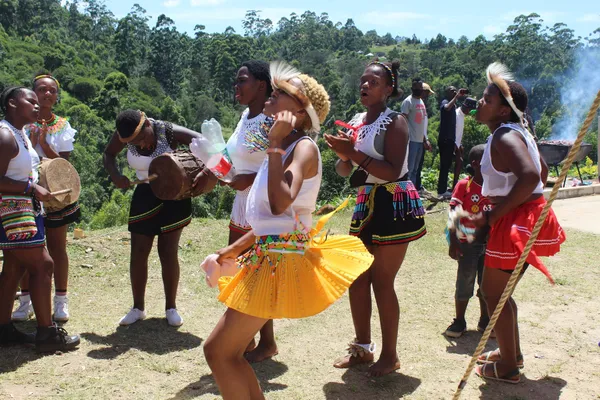
- Wikimedia Commons, "Traditional druming for Ngabi Clan.jpg" (feature image, traditional drumming for the Ngabi clan in the Buganda Kingdom, Samson Ssemakadde, CC0): commons.wikimedia.org/wiki/File:Traditional_druming_for_Ngabi_Clan.jpg
Methodology
Uganda is the first country in this series with a census ethnic count newer than 2014. The Uganda Bureau of Statistics published full ethnic counts in the National Population and Housing Census 2024, Final Report, December 2024, Table 3.2. The census counted 45,905,417 people in May 2024. Each group's share of that total is applied to Uganda's 2026 population of 52,761,469 from the United Nations World Population Prospects 2024, as carried in the site's own population article, where Uganda ranks 9th of 54 countries. The census itemises more than ten groups, so ranks 1 to 10 are all census-basis and no Joshua Project figures enter the table. The top ten total of 34,739,706, or 65.84 percent, does not exceed the whole.
Two sources corroborate the census table. The Minority Rights Group Uganda page reproduces the 2024 census ethnic table in full, and the United Nations Statistics Division's UNdata table republishes the same counts. Both agree with the final UBOS report on every figure in the table. The CIA World Factbook's Uganda shares date from the 2014 census, so they corroborate the top three order and the magnitudes, but they cannot corroborate the 2024 figures or the changed order. The Factbook was retired in 2026, so its figures were taken from its archived text. Joshua Project's in-country counts corroborate the top ten order, with one exception, and run about 7 percent above the census-scaled figures: Baganda 8,727,000, Banyankore 5,205,000, Basoga 4,537,000, Bakiga 3,614,000, Langi 3,314,000, Bagisu 2,570,000, Acholi 2,381,000. The two outliers are the Iteso at 4,068,000, 12.5 percent above the census-scaled figure, and the Lugbara at 1,595,000, 13.9 percent above it.
Three disagreements between the sources are disclosed rather than resolved silently. First, the Banyoro and Lugbara. The census puts the Banyoro ahead by 12,263 people, 1,230,384 against 1,218,121. Joshua Project reverses the order, at 1,508,000 for the Banyoro against 1,595,000 for the Lugbara. Early press coverage in October 2024 also had the two groups swapped. The table follows the census, which is the official count. Second, the Iteso. Joshua Project counts 4,068,000, against the census-scaled 3,615,951. Third, the Bafumbira, who sit just outside the ranking at 1,091,723 in 2026 terms. Joshua Project counts them at 772,000, 29.3 percent below the census-scaled figure, the one material disagreement in the opposite direction.
The 2024 census report itself carries a warning that must be stated. When it was first released in October 2024, the bureau withdrew it after readers spotted apparent population declines for the Acholi and Bagisu. The bureau admitted a printing error: the 2014 figures for four groups, the Bakiga, Bagisu, Langi and Acholi, had been printed in the wrong rows at the printing stage, and it stated that the 2024 figures were accurate. The Inspectorate of Government opened a probe. The figures used here are the corrected ones from the final December 2024 report, confirmed against the Minority Rights Group and UNdata republications. Two small differences in the 2014 figures between the final report and early press coverage do not affect any 2026 figure: the final report gives the Acholi 1,470,554 in 2014 and the Bagisu 1,646,904, against 1,470,884 and 1,647,382 in the press.
Groups inside a ranked family are not ranked separately. The Aringa are counted inside the Lugbara in the census, so Joshua Project's separate Aringa figure of 1,070,000 is not added. The Bahima and Bairu are counted together inside the Banyankore. The Batwa are listed separately in the census at 3,857 people but are also covered by the Banyarwanda label, a small double count inside the census itself that is immaterial to any rank. The census counts the Banyarwanda, at 629,672, and the Bafumbira, at 949,860, as separate groups although both speak Kinyarwanda, and the table follows that split. Non-indigenous residents are excluded: the census counts 1,020,865 non-Ugandans, and Joshua Project lists small British, Chinese, Gujarati, Goanese, Hindi, Cuban and Lebanese communities, none of which is a Ugandan tribe. Six communities newly recognised in the 2024 census have no published disaggregated figures and sit inside the other category, so they cannot affect the top ten. The census also records 404,006 people who did not state a tribe and 1,512,412 unclassified people, mostly in institutions, and the report notes that these groups largely explain apparent declines in some smaller tribes between 2014 and 2024. Census spellings are used in the table: Banyankore, also written Banyankole, and Batoro, also written Batooro. Every derived claim in the article was recomputed from the final table values by script before publication. That covers the Baganda at 15.33 percent, the 1.68 times multiple over the Banyankore, the 3,260,276 lead, the Baganda exceeding the Iteso and Bakiga combined by 1,084,400, the top two at 24.48 percent, the top ten at 65.84 percent, the Banyoro lead over the Lugbara of 14,095, and the Alur near-miss of 75,010 behind the Lugbara.