
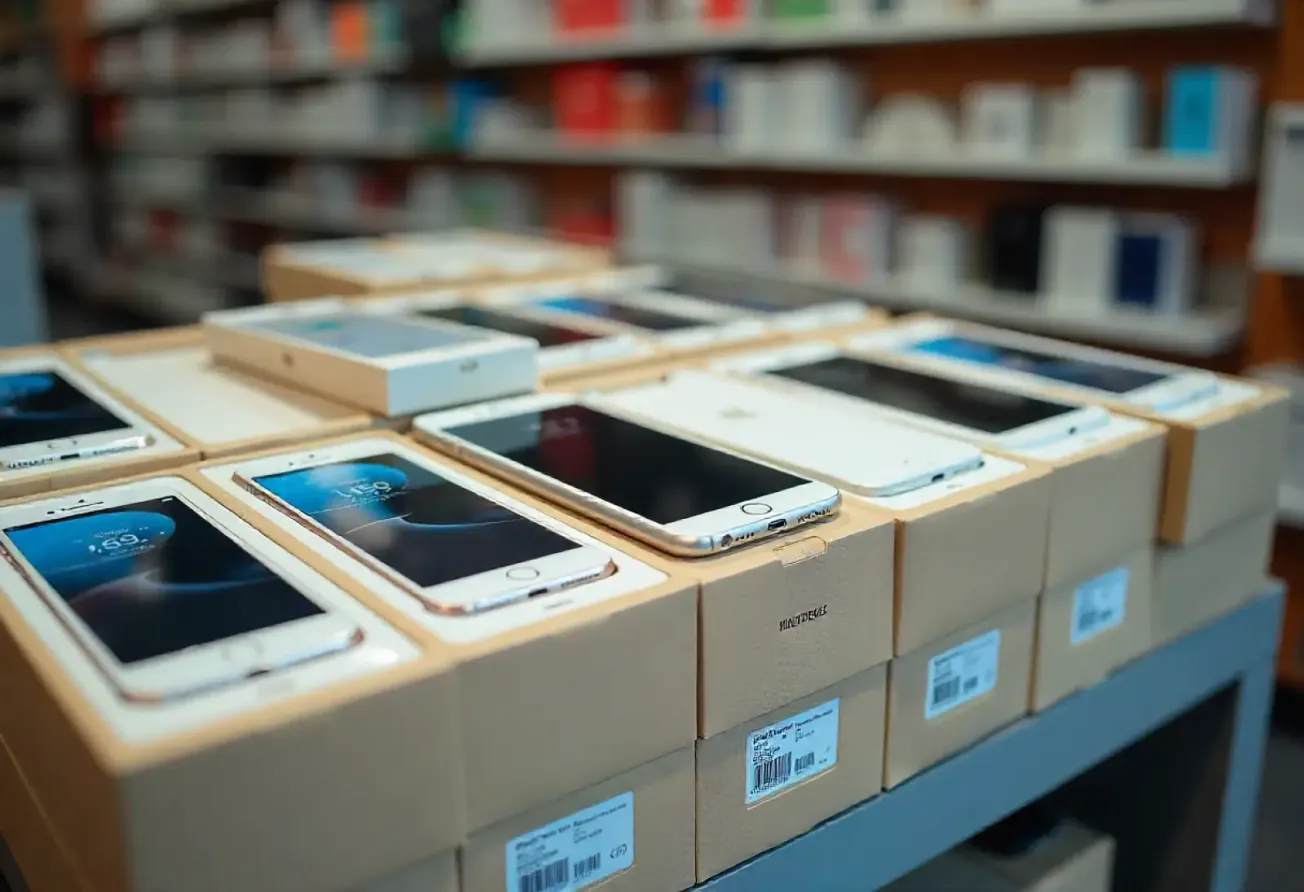
Top 10 Mobile Phone Brands In Africa In 2026. iPhone And Samsung Are Not Number One!
For most of the last decade, global smartphone rankings meant Samsung and Apple, with everyone else fighting over scraps. But that script does not hold in Africa.
Firms, founders, and corporate strategies across African markets.
For most of the last decade, global smartphone rankings meant Samsung and Apple, with everyone else fighting over scraps. But that script does not hold in Africa.

For decades, Africa imported over 80% to 90% of its pharmaceutical needs. But today, due to post-pandemic supply chain vulnerabilities, the AfCFTA framework, and local manufacturing incentives, indigenous pharmaceutical giants are expanding domestic capacity at an unprecedented rate.
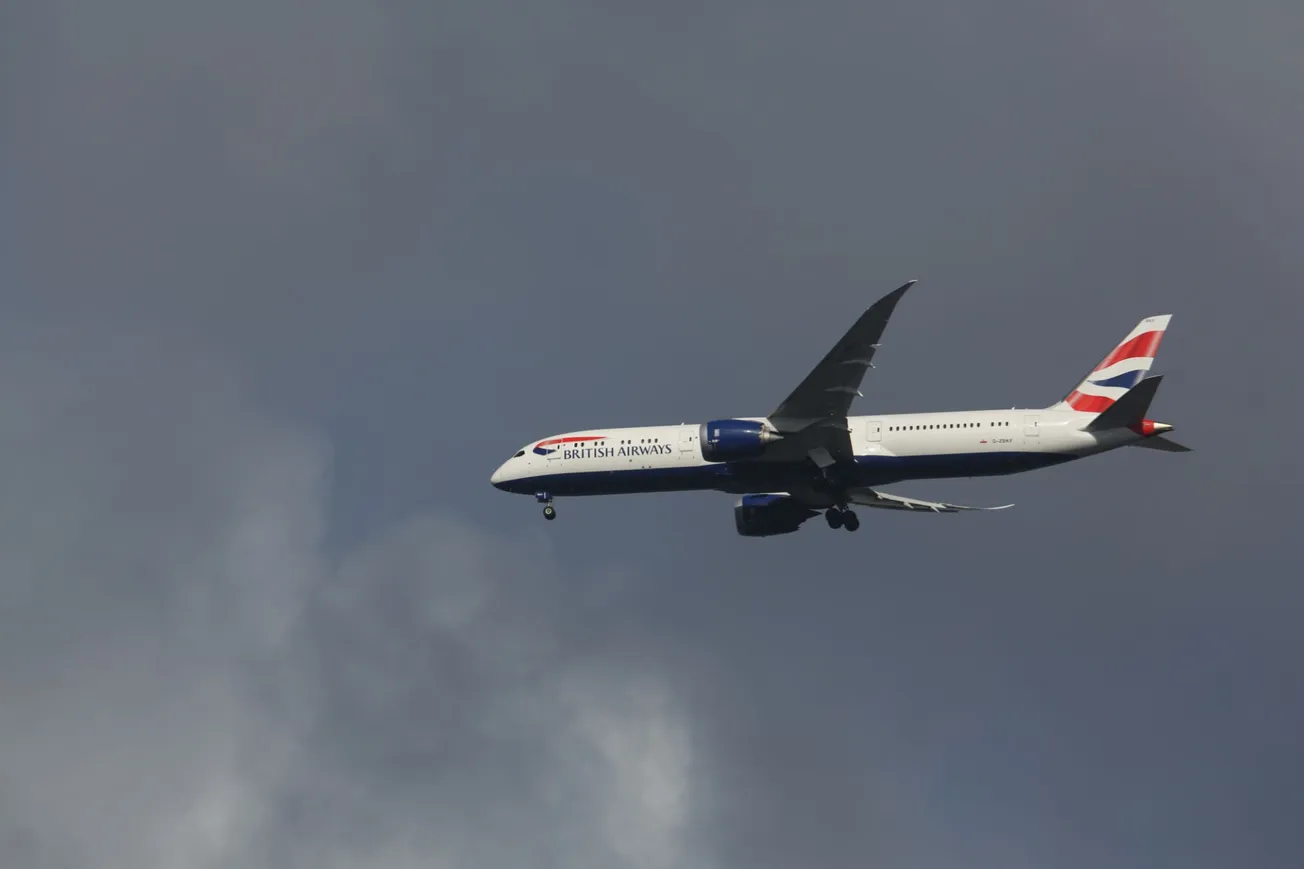
British Airways suspended its routes to Tanzania in 2013 over commercial viability. The carrier is now launching direct flights from London Gatwick to Dar es Salaam and Zanzibar. Here is what actually happened, and the bigger play sitting behind the announcement.

Apple's newest phones cost more than many Africans earn in two years. The real question isn't whether you can afford one. It's why owning one still feels like the only way in.

Uber just shut down its entire operation in Nigeria after twelve years of business, raising an urgent question. How can African tech ecosystems claim massive economic growth when global giants pack up and flee the continent's most populous consumer market?

Senegal has launched a $50 million Catalyst DER/FJ Fund to finance pre-seed and seed-stage startups, aiming to close a critical early-stage funding gap. The initiative seeks to help more Senegalese startups become investment-ready and attract follow-on venture capital.

Monzo’s move into Nigeria comes as African startup funding becomes more selective. Despite attracting just 8% of Africa’s funding in 2025, Nigeria still recorded the continent’s highest number of startup deals, reinforcing its position as a key fintech market.

Nigeria-based fintech Daya has raised $2.4 million to build a stablecoin payment infrastructure for African businesses, highlighting growing investor confidence in stablecoins as a solution to the continent's costly and fragmented cross-border payment system.

Launch Africa Ventures has returned about $2.5M after 11 exits, a small but meaningful signal in Africa’s VC market where only 181 exits have been recorded in 15 years. It highlights slow but emerging liquidity driven mainly by trade sales and secondary deals.

Flutterwave has raised its valuation to $3.2B after a strategic Ripple investment in its Series E round. The deal will integrate Ripple’s blockchain settlement system and RLUSD stablecoin to improve cross-border payments. Flutterwave processes $50B+ across 35+ countries.
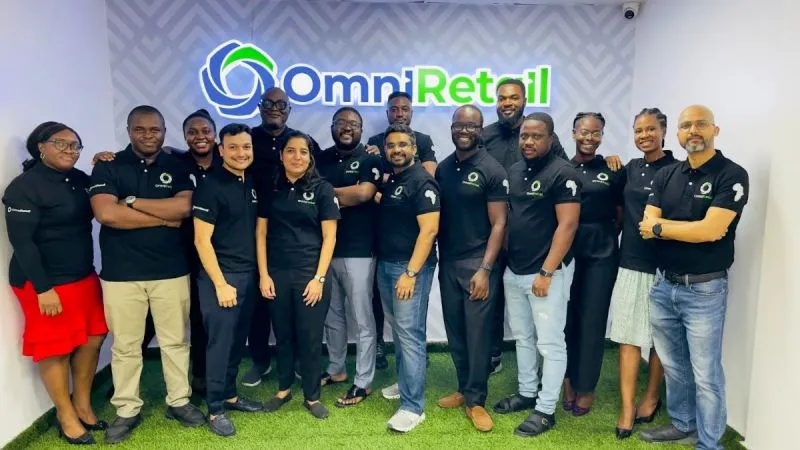
OmniRetail has launched OmniOne, a trade infrastructure layer built on its FMCG distribution network across West Africa, processing ₦1.3 trillion in annual transactions across 150,000 retailers and 5,800 distributors.

CreditChek’s expansion into East Africa reflects rising digital lending activity in Kenya, Uganda, and Rwanda, set against a $331 billion MSME credit gap and growing demand for stronger credit infrastructure.

Norfund’s $60 million commitment to Ventures Platform reflects a broader shift in African venture capital toward institutional clustering around early-stage fund managers, as development finance institutions increasingly anchor startup formation pipelines rather than individual companies.
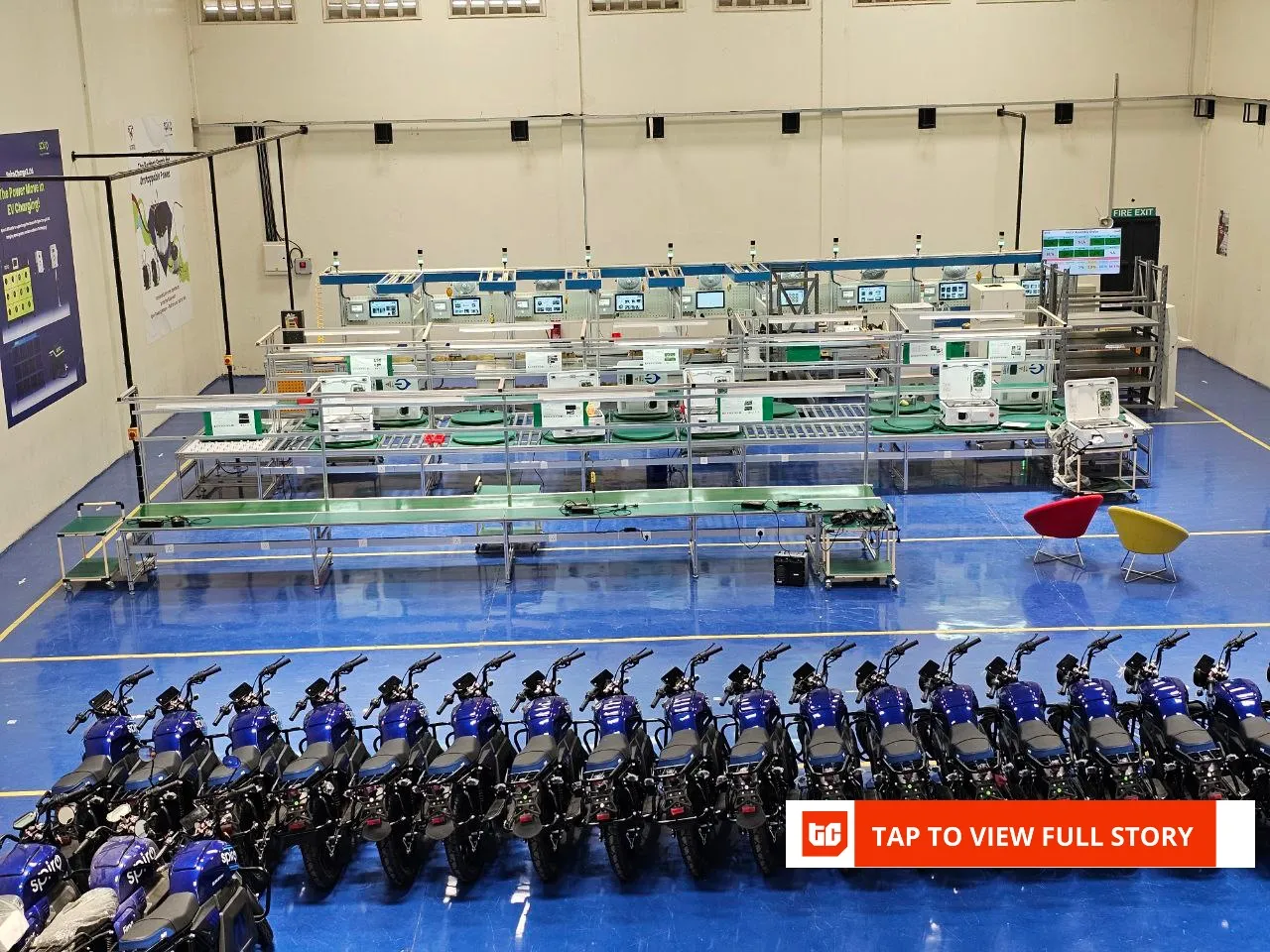
Spiro's $215 million raise signals infrastructure-led growth and rising investor interest in energy-linked mobility models driven by fuel and logistics demand across Africa.

The full Bloomberg 2026 African startups list: 25 companies across 15 countries. Fintech takes the biggest share, but the surprises are in defence tech, telemedicine, and climate.
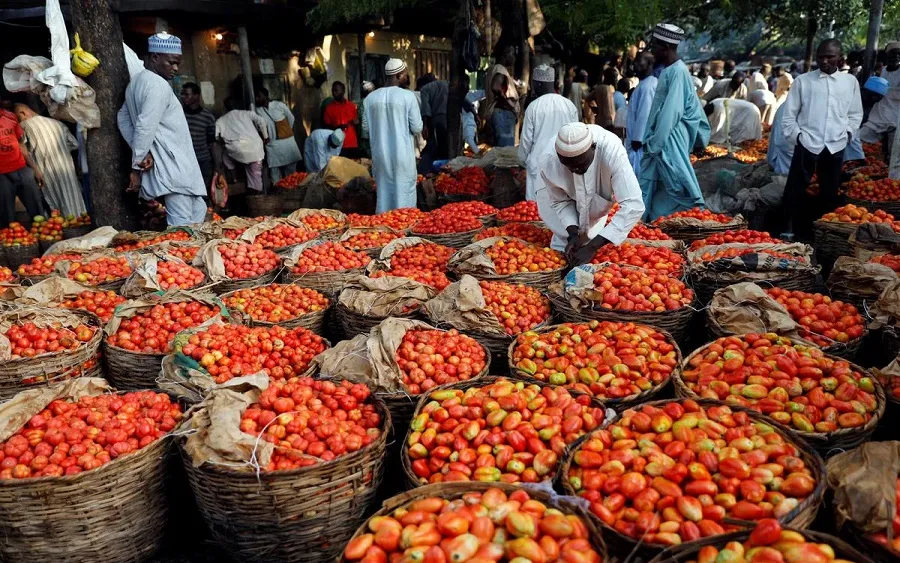
Tomato Jos has raised a $2 million impact-linked facility from Sabou Capital as investors continue backing local food processing and agricultural supply chain development in Nigeria.