
Top 10 African Countries With the Highest IMF Debt at the Start of 2026
Analysis of Africa’s top 10 IMF debtors in early 2026 reveals how fiscal deficits, commodity reliance, and reforms shape economic stability and growth prospects.
Jobs, remittances, and the money African households earn and spend.
Analysis of Africa’s top 10 IMF debtors in early 2026 reveals how fiscal deficits, commodity reliance, and reforms shape economic stability and growth prospects.
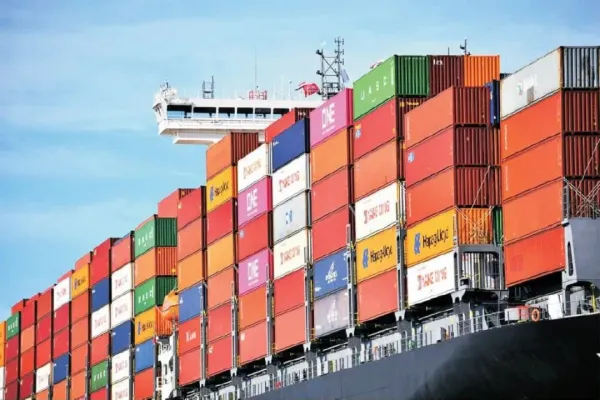
Africa’s manufacturing shift is redefining exports, with countries like South Africa, Egypt, and Morocco leading in consumer goods production. In 2025/2026, exports now include vehicles, electronics, textiles, processed foods, and household goods.

Choosing a trustworthy crypto casino matters more than flashy bonuses or fancy graphics.
Projections for 2026 show shifting GDP in Africa as structural reforms, investment flows, and demographic trends reshape economic output across the continent.

The 2026 African Groceries Index ranks the continent’s most expensive countries for everyday food purchases, revealing cost pressures and the forces shaping prices.
In 2026, Africa’s local purchasing power varied widely, reflecting income levels, economic reforms, and cost structures across the continent’s top economies.

In 2025, active IPO markets reshaped Africa’s financial landscape, enabling governments and firms to raise capital, deepen market liquidity, and attract global investors. Across the continent, IPOs became key drivers of growth, reform, and investor confidence.
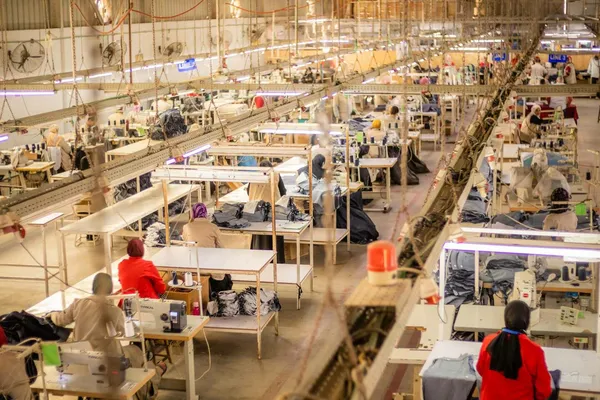
Africa’s textile and apparel exports are led by countries combining industrial scale, trade access, and modern manufacturing. These top exporters are reshaping Africa’s role in global fashion supply chains value around $1.7 trillion to $2 trillion for apparel and $835 billion for textile.

In 2025, African government tech-acceleration programs fueled startup growth, digital skills development, and innovation ecosystems, creating opportunities for entrepreneurs, attracting investment, and strengthening the continent’s role in the global tech economy.

It is certainly true that a player can enjoy top-rated online casino experiences, only on websites that have ever-expanding libraries.

Africa’s 2026 rent index shows wide variation in urban housing costs, shaped by location, housing demand, investor trends, and evolving national economies.

Crime index data at the start of 2026 shows several African nations facing rising insecurity linked to conflict, economic strain, weak policing, and rapid urbanisation.
Africa’s debt story is often told through sweeping generalizations, with headlines suggesting that most countries on the continent are weighed down by loans and repayments.
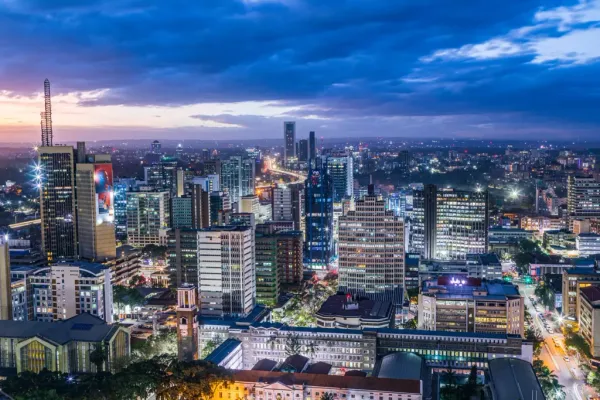
Rapid urbanisation, rising middle classes, and strong economic growth are driving demand in Africa’s real estate markets. Cities with robust infrastructure, supportive policies, and diversified economies are attracting investors seeking high rental yields, capital appreciation, and long-term growth.
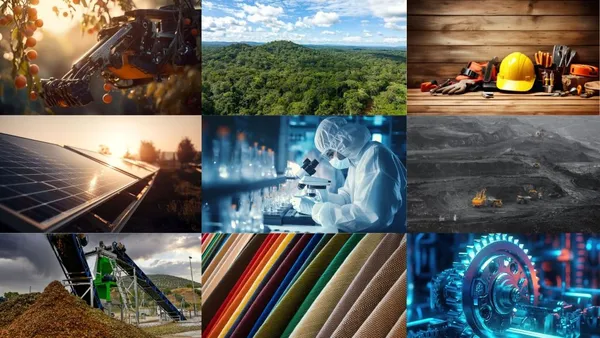
SMEs are transforming African economies by creating jobs, driving innovation, and expanding markets. Countries that support digital finance, entrepreneurship, and trade integration are seeing the greatest impact, positioning SMEs as catalysts for inclusive growth in 2025.

According to projections by Precedence Research https://www.precedenceresearch.com/decentralized-finance-market the global DeFi market will be worth $1,558.15 billion by 2034.