Table of Contents
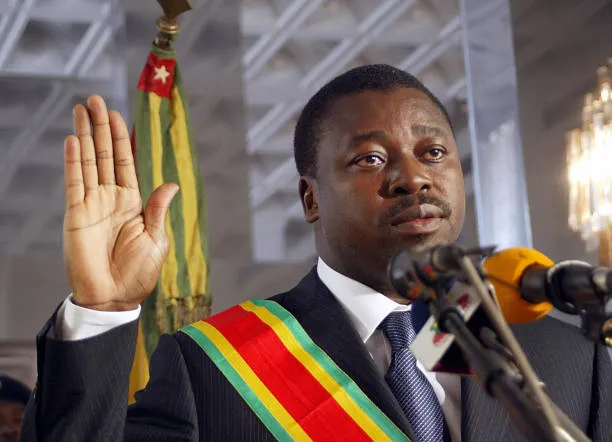
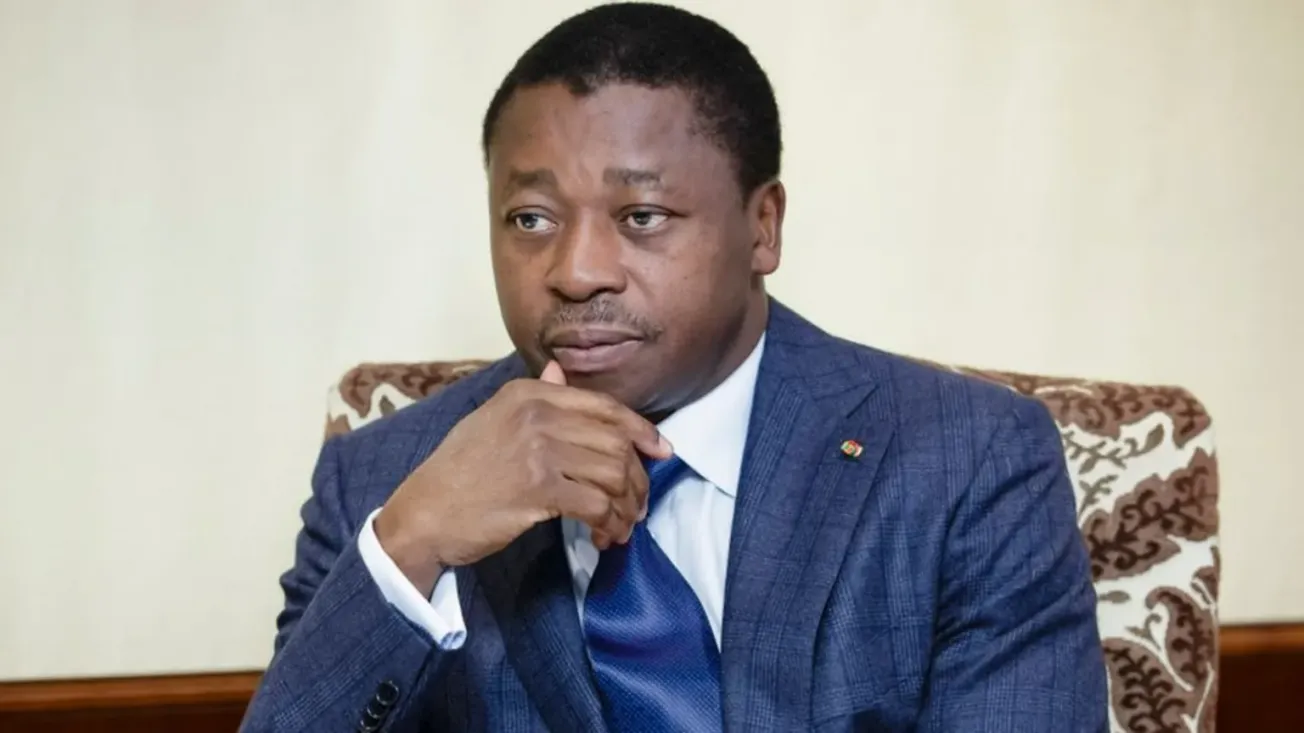
Lomé, Togo — Togo's parliament has approved a new constitution that extends the tenure of President Faure Gnassingbé amidst significant controversy and accusations of a power grab by the opposition.
The constitutional reform transitions the country from a presidential to a parliamentary system, purportedly reducing the president's powers by making the role largely ceremonial.
Critics of the reform, however, argue that these changes effectively remove term limits, potentially allowing President Gnassingbé to stay in power until 2031.
After this period, he could assume the newly created role of "president of the council of ministers," akin to a prime minister, thus continuing his family’s long-standing rule, which began when his father took office in 1967.
The approval of the changes by lawmakers last month sparked widespread public discontent, prompting President Gnassingbé to pause the reforms for further consultations.
Despite this, the Human Rights Minister, Yawa Djigbodi Tségan, claimed that the amendments would "improve democracy in the country." Conversely, Brigitte Kafui Johnson, a former presidential candidate and leader of the opposition CDPA party, has criticized the amendments, calling them a blatant "power grab."
In an effort to garner support, pro-government lawmakers have recently conducted tours around the country, holding discussions purportedly to "listen to and inform civilians on the constitutional reform." These discussions primarily targeted customary rulers and selected groups, yet no substantive changes to the proposed amendments resulted from these consultations.
The opposition's efforts to challenge the changes have been met with repression.
Last month, a press conference organized under the banner of "Don't Touch My Constitution" was forcibly disbanded by police wielding truncheons, highlighting the tense atmosphere and the government's stringent measures against dissent.
As Togo navigates these pivotal constitutional changes, the international community and local observers continue to watch closely, concerned about the potential implications for governance and civil liberties in the West African nation.