Table of Contents
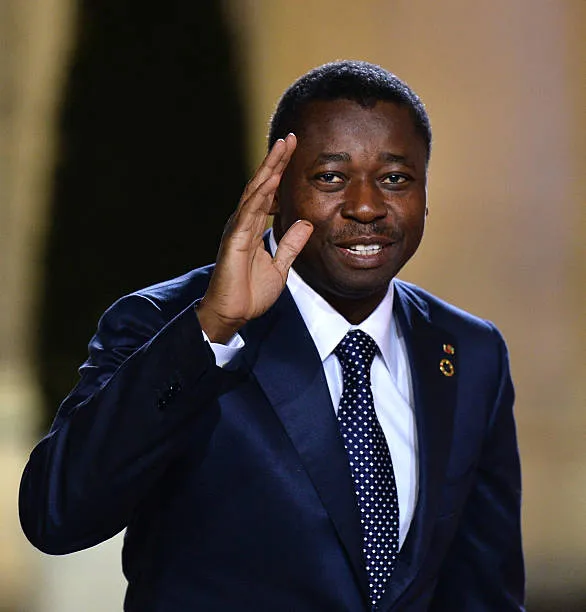
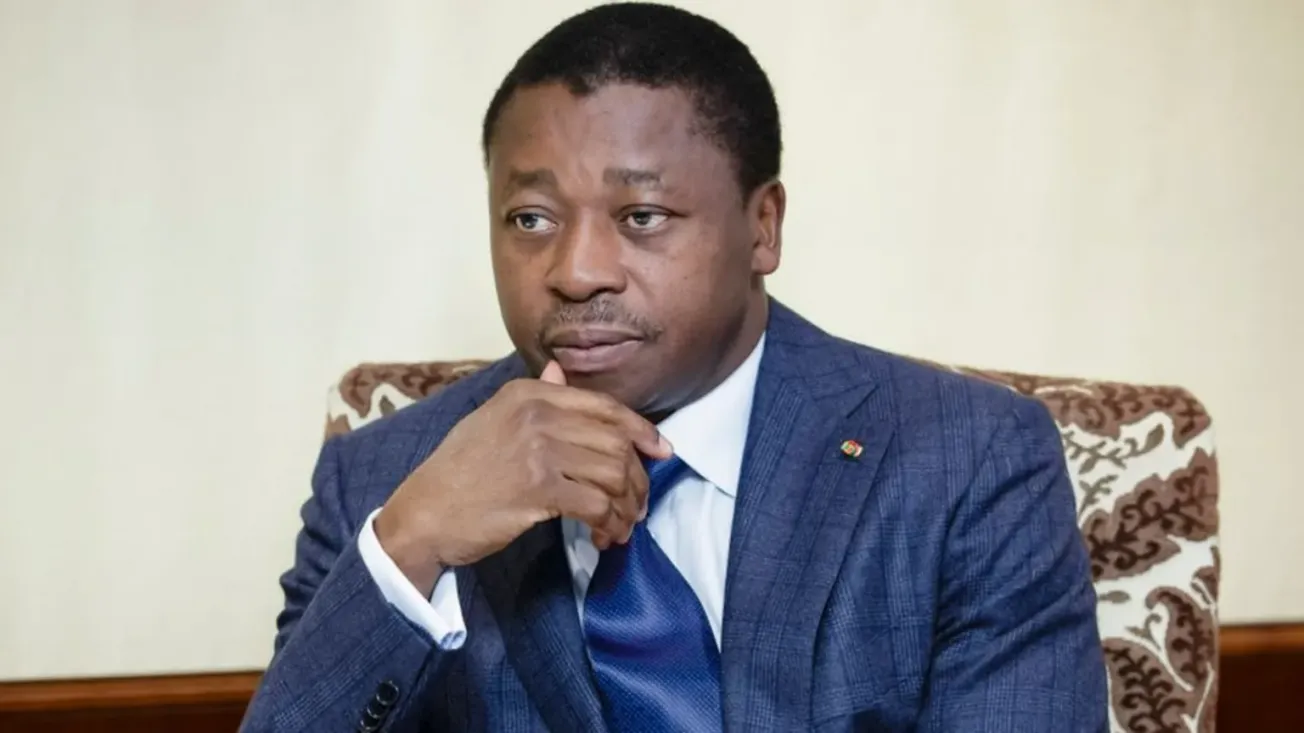
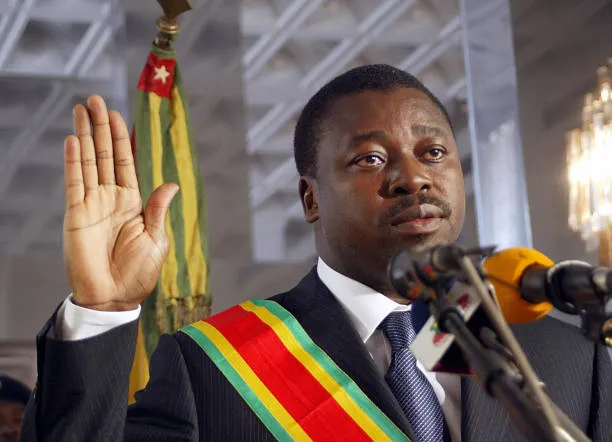
Lomé, Togo - In a move that has ignited widespread opposition, President Faure Gnassingbe of Togo has signed a new constitution that eliminates direct presidential elections, enabling the parliament, which his party dominates, to choose the president instead.
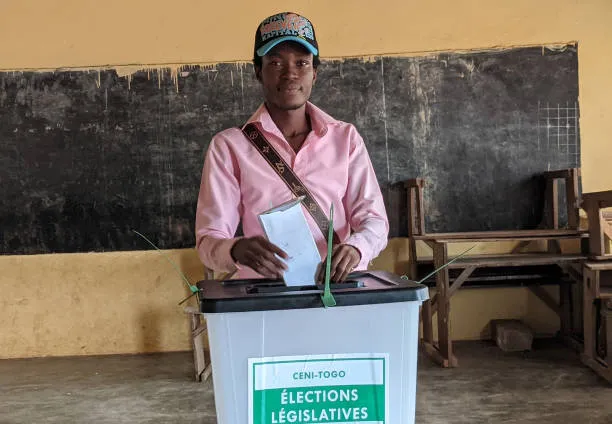
This development comes shortly after Gnassingbe's ruling party secured a majority in the parliamentary seats, as announced by the election commission last Saturday.
The revision of the constitution, which now extends presidential terms from five to six years and introduces a single-term limit, has been met with severe criticism.
Notably, the term limit does not apply retroactively, meaning the nearly 20 years Gnassingbe has already served will not count towards this limit. Critics argue this could allow him to remain in power well beyond his current mandate, which expires in 2025.
Togo, a nation ruled by the Gnassingbe family for 57 years, first by Eyadema Gnassingbe and then by his son Faure, has seen considerable controversy over the legitimacy of its elections, with the opposition frequently describing them as sham processes.
In the lead-up to this constitutional change, the government took strict measures against civic and media freedoms, including banning protests against the new constitution, arresting opposition figures, and restricting election observation and media coverage.
The electoral commission notably banned the Catholic Church from deploying election observers, and the media regulator suspended the accreditation process for foreign journalists.
Amidst these tensions, about 20 civil society organizations in Togo have called for public protests to demand the reinstatement of the previous constitution.
David Dosseh, a spokesperson for these groups, expressed a strong rejection of the new constitution to The Associated Press, emphasizing the necessity of the 2025 elections for achieving a democratic transition in Togo.
The new constitution also creates a position similar to a prime minister, to be selected by the ruling party, further consolidating power within the current ruling elite. This has heightened fears that Gnassingbe might use this role as another means to maintain his influence over Togolese politics.
As Togo grapples with these significant constitutional changes, the international community and local activists watch closely, calling for adherence to democratic principles and the genuine representation of the Togolese people's will.