Table of Contents
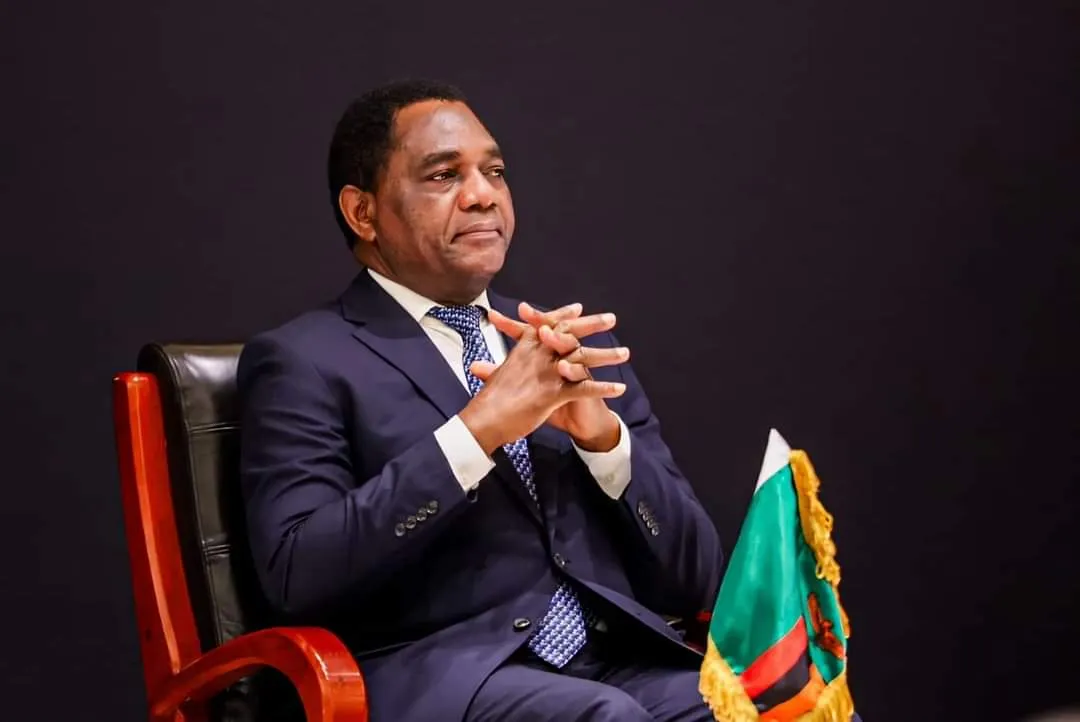
Hakainde Hichilema secured his second term as Zambia's president amidst high political tension and a heavy security deployment. His inauguration unfolded while key opposition figures faced detention and severe legal roadblocks that sidelined meaningful electoral competition. Once celebrated globally as a triumph for democratic reform, the administration now faces intense scrutiny for using state machinery to silence political dissent.
How It Happened
Electoral authorities confirmed the presidential election results following a tense voting cycle characterized by strict state controls. Security forces clamped down on opposition gatherings and restricted movement around key government zones.
While international observers debated the legitimacy of the process, state officials proceeded quickly with the swearing-in ceremony. Authorities detained prominent opposition leaders under various legal pretexts, effectively neutralizing political challenges before the ballots were even cast. This playbook mirrors a recurring continental trend where leaders elected on promises of freedom gradually dismantle democratic safeguards to lock in permanent control.
Why it Matters
Jailing political rivals while taking the oath of office exposes the bitter hypocrisy of modern African electoral politics, where leaders weaponize the judiciary to protect their own tenure. When former human rights champions adopt the exact authoritarian tactics they once fought against, citizens are left with an empty shell of a democracy. True political progress will never take root until African nations build independent judicial systems that refuse to arrest opposition figures just to keep a president in office.