Table of Contents
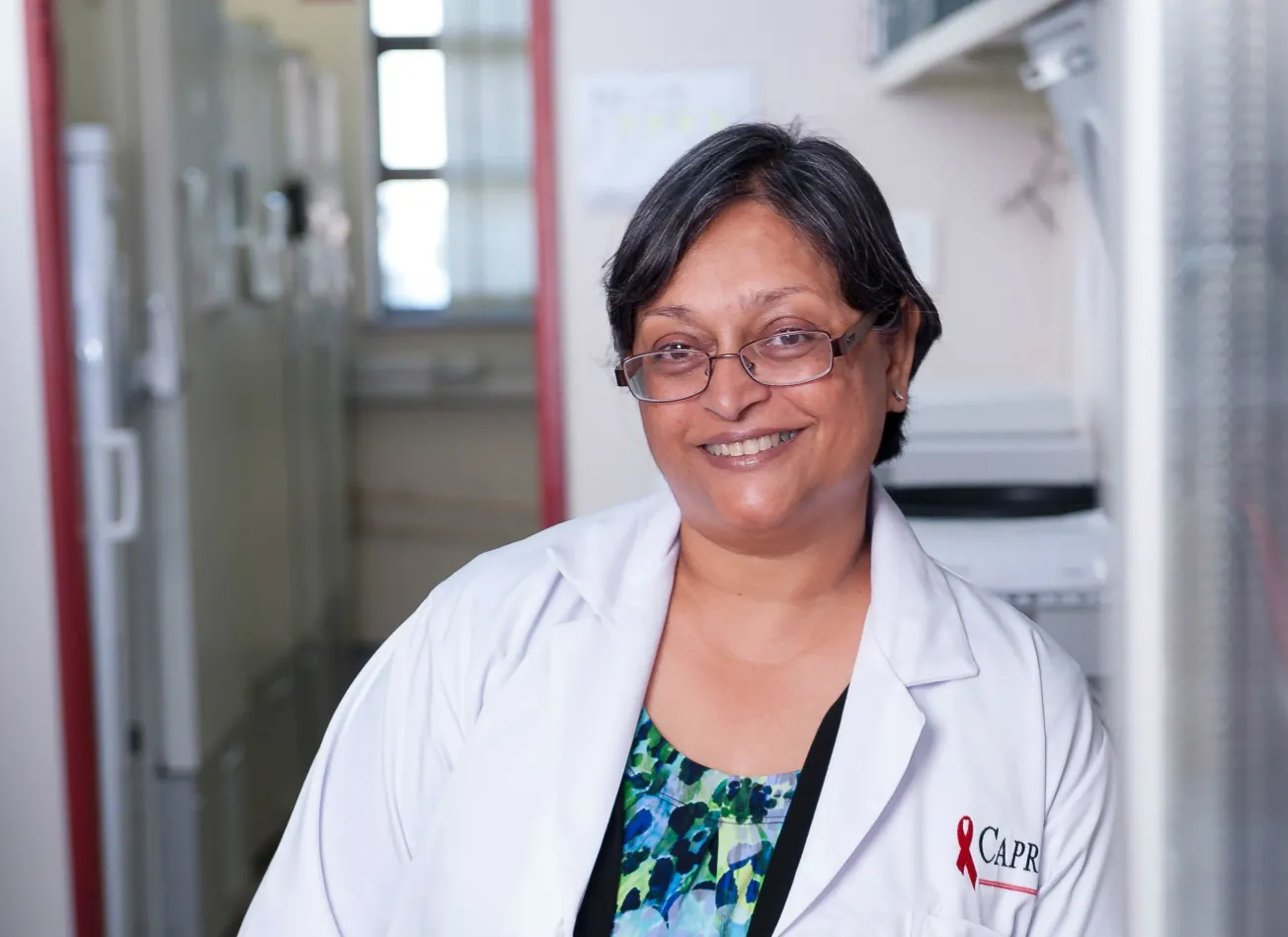
Professor Quarraisha Abdool Karim commands the global stage as a world-renowned infectious diseases epidemiologist, dividing her powerhouse intellect between Columbia University in the United States and the Centre for the AIDS Programme of Research in South Africa (CAPRISA).
Over the years, the South African epidemiologist has continued to redefine global health standards through decades of pioneering HIV prevention research. Her leadership of landmark clinical trials established foundational methods for protecting women from infectious diseases, earning her prestigious international honors including the Virchow Prize. By advising major international health organizations, she bridges top-tier Western academia with critical medical interventions directly on the African continent.
How It Happened
Quarraisha Abdool Karim dedicated more than thirty years to investigating the evolving HIV epidemic, focusing heavily on vulnerable adolescent girls and young women. She spearheaded the landmark CAPRISA 004 trial, providing the first definitive proof that antiretroviral drugs could prevent sexual transmission of HIV in women.
This monumental discovery transformed global prevention strategies and shaped international policy guidelines. Alongside her laboratory and clinical work, she partnered with Columbia University to run training programs that equipped hundreds of regional scientists with advanced research skills. International scientific bodies routinely honor her contributions, cementing her status as a titan of modern medical research.
Why it Matters
Celebrating brilliant African scientists working abroad proves that the continent generates world-class intellectual capital, yet structural brain drain continues to siphon local talent into Western institutions. When global health systems rely on African minds to solve pandemics while local research facilities lack adequate funding, the global scientific community practices a polite form of exploitation. True scientific equity arrives only when African universities receive the massive financial backing required to keep their top researchers home.