Table of Contents
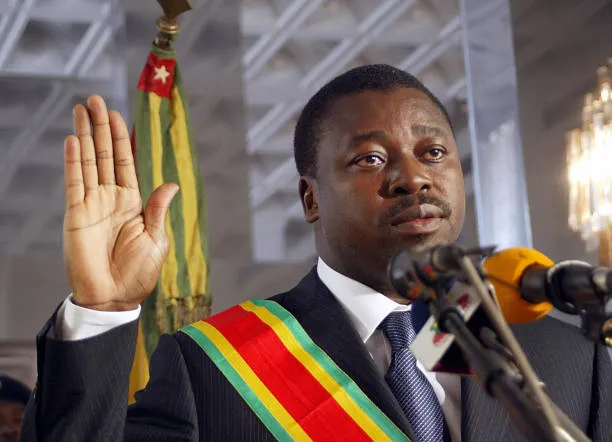
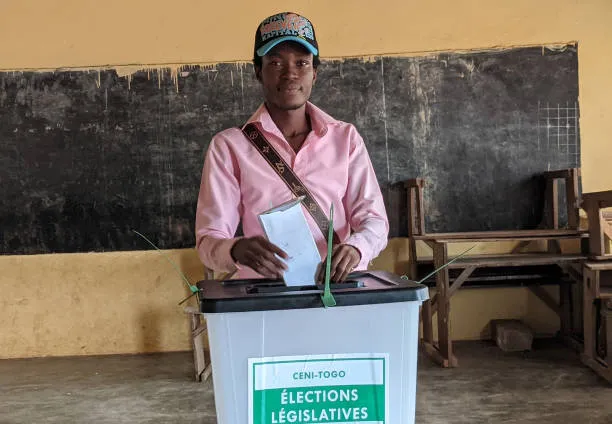
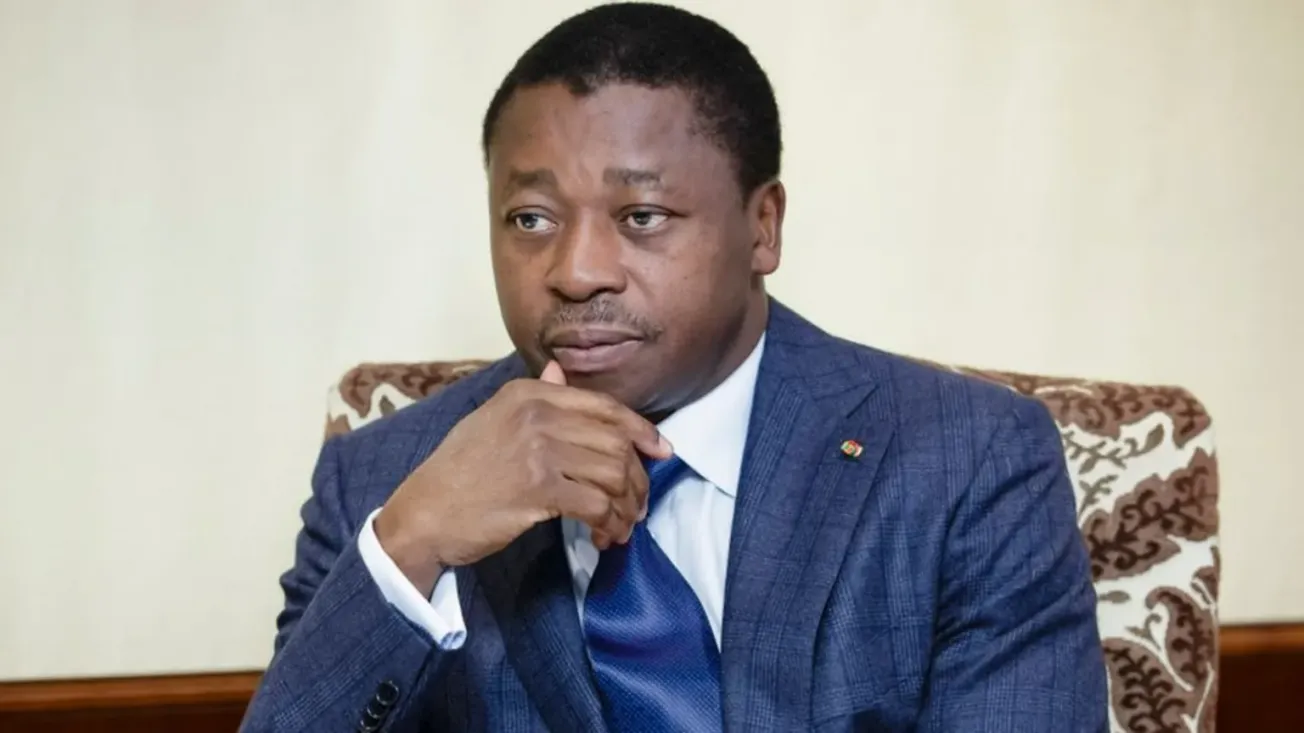
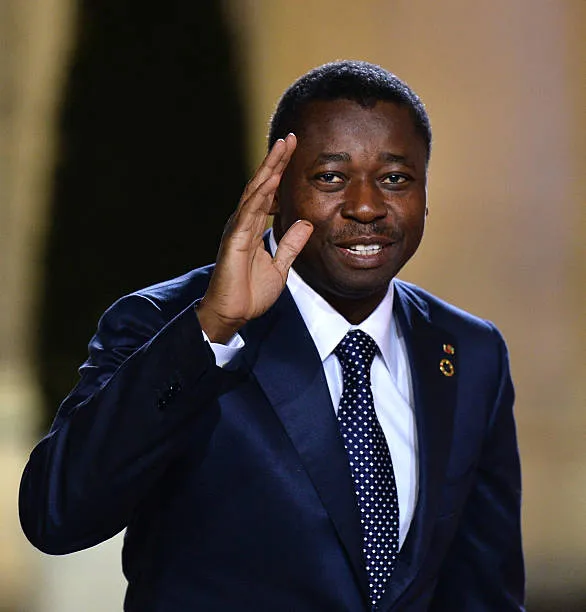
Lomé, Togo - Togo's ruling party, UNIR, led by President Faure Gnassingbe, has clinched a dominant victory in the recent legislative elections, securing 108 out of 113 seats, according to the final provisional results announced on Friday.
This substantial majority follows shortly after the implementation of contentious constitutional reforms that could significantly extend Gnassingbe's 19-year tenure.
These reforms, ratified by the outgoing parliament in March, transitioned the government to a parliamentary system, where the president will no longer be elected through universal suffrage but instead will be selected by parliament.
This shift has raised concerns among opposition parties, who were keen on gaining more representation in the April 29 elections to challenge the dominance of the UNIR party. The opposition had boycotted the previous legislative poll, resulting in UNIR's unchallenged control.
The elections, which had been postponed twice due to opposition backlash, saw constitutional changes that critics argue could allow President Gnassingbe to remain in power indefinitely.
Despite these concerns, the amendments received unanimous approval in a second parliamentary vote earlier in April, introducing a presidential term limit of four years, down from five, with a cap of two terms. However, these term limits do not retroactively apply to time already served, potentially enabling President Gnassingbe to stay in office until 2033 if re-elected after his current mandate ends in 2025.
This legislative victory for UNIR and the controversial constitutional reforms have sparked significant debate within Togo about the future of its democratic processes and the concentration of political power.
As the country navigates these constitutional changes, the international community and local opposition groups continue to scrutinize the implications for governance and political plurality in Togo.