Published: November 26, 2026
Key Facts
- Nigeria tops the list with 167 indigenous languages at risk, which is more than the next two countries put together.
- The ten countries in this ranking hold exactly 500 endangered languages, or 72.6% of the 689 counted across Africa.
- Sudan is losing the biggest share of its languages: 46 of its 71 indigenous languages are endangered, or 64.8%.
- Tanzania leads DR Congo by a single language, 43 to 42, and Côte d'Ivoire takes the last spot over the Central African Republic on a tie-break.
- Eleven African countries have no endangered indigenous languages on this measure, including Madagascar and Rwanda.
The Ranking
| Rank | Country | Endangered languages | Living languages | Indigenous languages | Share endangered |
|---|---|---|---|---|---|
| 1 | Nigeria | 167 | 530 | 520 | 32.1% |
| 2 | Cameroon | 95 | 282 | 275 | 34.5% |
| 3 | Sudan | 46 | 80 | 71 | 64.8% |
| 4 | Tanzania | 43 | 127 | 119 | 36.1% |
| 5 | DR Congo | 42 | 211 | 205 | 20.5% |
| 6 | Chad | 31 | 129 | 123 | 25.2% |
| 7 | Gabon | 24 | 43 | 40 | 60.0% |
| 8 | Ethiopia | 21 | 92 | 87 | 24.1% |
| 9 | Congo | 17 | 62 | 55 | 30.9% |
| 10 | Côte d'Ivoire | 14 | 89 | 76 | 18.4% |
The ten countries together hold exactly 500 endangered indigenous languages. That is 72.6% of the 689 counted across the continent, and Nigeria alone holds 167, nearly a quarter of Africa's total.
Nigeria, Where 167 Tongues Are Slipping Away
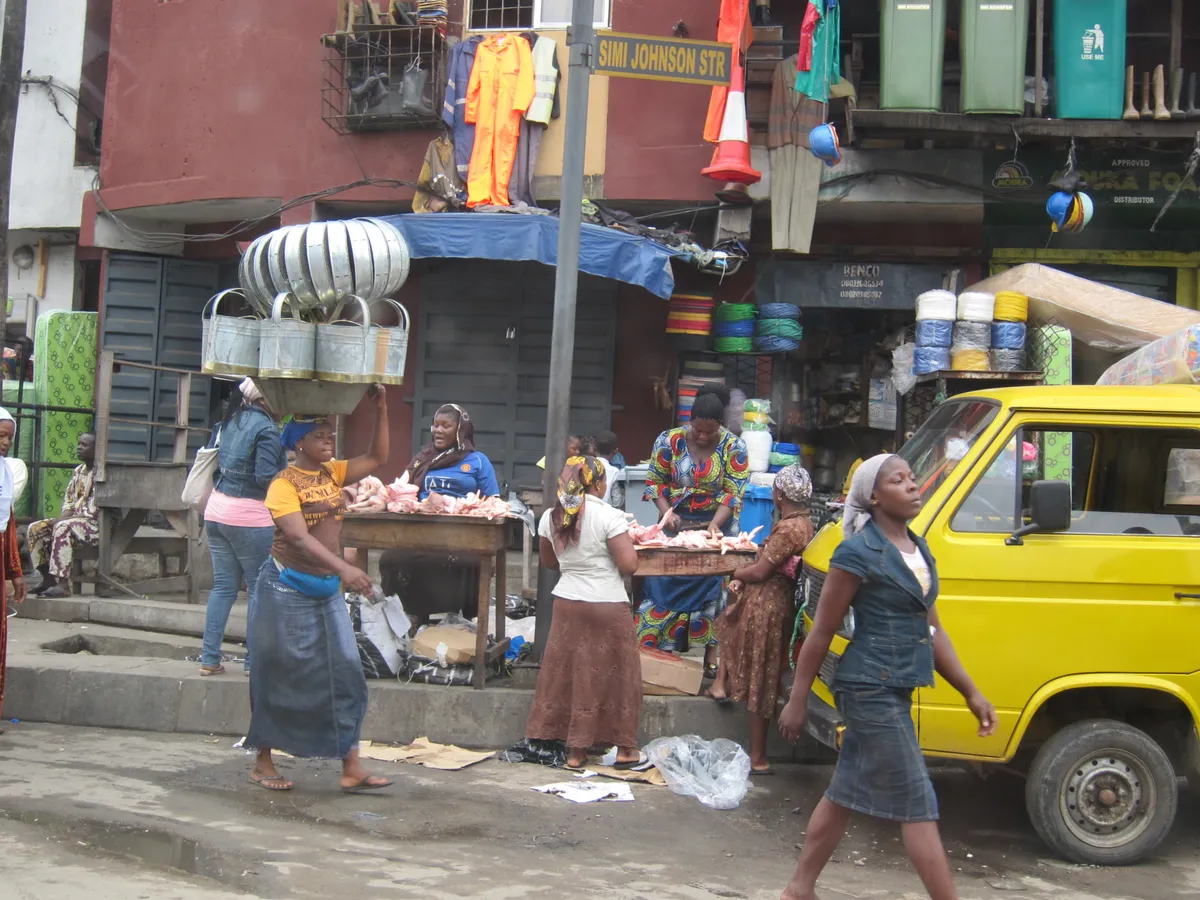
Nigeria has 530 living languages, the most in Africa and the third most in the world. Of its 520 indigenous languages, 167 are endangered, or 32.1%. That is more than the next two countries combined, and more than the five lowest countries in this top ten put together. The danger is not limited to small languages. UNESCO warned in 2006 that Igbo, spoken by more than 20 million people, could be extinct within 50 years if children stop learning it.
How Did Cameroon Reach 95?
Cameroon has 282 living languages, the second most in Africa. Of its 275 indigenous languages, 95 are endangered, or 34.5%. That is 56.9% of Nigeria's total, and no other country comes close to it. UNESCO's older Atlas lists only 36 endangered languages for Cameroon, because it uses a narrower definition and data from 2010.
Sudan Is Losing the Biggest Share of Its Languages
Sudan has 46 endangered indigenous languages out of 71, or 64.8%. That is the highest share in this top ten. The count covers today's Sudan only. South Sudan, independent since 2011, has 10 endangered languages of its own, so the two Sudans together hold 56. UNESCO's Atlas, which still uses the pre-2011 borders, counts 65 for the old combined Sudan.
Tanzania, 43 Languages at Risk Behind Swahili
Tanzania has 127 living languages, and 43 of its 119 indigenous languages are endangered, or 36.1%. That is one more than DR Congo, the narrowest gap in this ranking. Swahili unites the country, and that is part of the pattern: when one language dominates school and media, smaller mother tongues lose young speakers. UNESCO's Atlas lists only 12 endangered languages for Tanzania, a sign of how thin its survey coverage was there.
Why the Old Atlas Almost Missed DR Congo
DR Congo has 211 living languages, the third most in Africa, and 42 of its 205 indigenous languages are endangered. Its share is 20.5%, because it has so many languages to begin with. The gap between the two catalogs is widest here: UNESCO's Atlas lists only 6 endangered languages for DR Congo, against 42 in Ethnologue's 2026 edition. Central Africa is the least surveyed part of the continent, and the Atlas's thin coverage there is the reason.
Chad, Where 31 Languages Are Fading in the Sahel
Chad has 129 living languages, and 31 of its 123 indigenous languages are endangered, or 25.2%. Chad is the one country where the two catalogs nearly agree: UNESCO's Atlas counts 29, against 31 here. That agreement makes Chad's figure the most solid in this ranking.
Gabon, Small Country, Outsized Loss
Gabon has only 43 living languages, the fewest of any country in this top ten. But 24 of its 40 indigenous languages are endangered, or 60.0%, the second highest share in the ranking. A small country can lose a huge share of its heritage. UNESCO's Atlas lists 8 endangered languages for Gabon, a third of the current count.
Ethiopia's 21 Endangered Languages, and the Ones That Survived
Ethiopia has 92 living languages, and 21 of its 87 indigenous languages are endangered, or 24.1%. Ethiopia is the one country in this top ten where UNESCO's older Atlas counts more endangered languages than the current edition: 28 against 21. The difference is a reminder that counts move as linguists reclassify languages, and that no single catalog is final.
Congo, 17 Languages at Risk in a Country of 62
The Republic of Congo has 62 living languages, and 17 of its 55 indigenous languages are endangered, or 30.9%. Like its giant neighbour, it was barely covered by the old Atlas, which lists only 2 endangered languages for Congo. That says more about the Atlas's thin coverage of Central Africa than about Congo's languages.
Côte d'Ivoire Takes the Last Spot on a Tie-Break
Côte d'Ivoire has 89 living languages, and 14 of its 76 indigenous languages are endangered, or 18.4%, the lowest share in this top ten. It takes the tenth spot over the Central African Republic, which also has 14 endangered languages. The tie-break is the number of indigenous languages: 76 against 66, the same rule this site used for its most-languages ranking. The Central African Republic is first out, and Guinea-Bissau, with 13, is one language behind it.
Why UNESCO's Older Atlas Tells a Different Story
Readers who check UNESCO's Atlas of the World's Languages in Danger will find different numbers. The Atlas lists 65 languages for Sudan, 36 for Cameroon and 29 for Nigeria, counting extinct languages as well as endangered ones. Three reasons explain the gap. First, the Atlas dataset was completed in 2010 and has not been substantively updated. Second, it uses a narrower definition of endangered and lists only languages it assessed, so it misses many that Ethnologue now rates as threatened. Third, its Sudan figure still covers the pre-2011 borders, which included South Sudan. Its coverage of Central Africa is the thinnest of any region, which is why it lists only 6 endangered languages for DR Congo and 2 for Congo. This ranking uses the current Ethnologue measure, the same one this site used in its most-languages ranking on November 22, so the two articles agree.
Questions Readers Ask
Which African country is losing the most languages?
Nigeria, with 167 indigenous languages rated endangered in Ethnologue's 2026 edition. That is more than Cameroon (95) and Sudan (46) combined, and nearly a quarter of all the endangered languages counted in Africa.
What does endangered mean in this ranking?
A language is counted as endangered when parents have stopped passing it on to their children. Ethnologue rates every language on its EGIDS scale, and this count covers the languages at the threatened level and worse. It counts indigenous languages only, not immigrant languages.
Why does UNESCO's Atlas give much lower numbers?
The Atlas dataset was completed in 2010 and has not been substantively updated, and it uses a narrower definition. It also surveyed Central Africa thinly, so it lists only 6 endangered languages for DR Congo against 42 in the current Ethnologue data. The two catalogs measure different things, and this ranking uses the current one.
Is Sudan really third, when the Atlas puts it first?
On today's borders, yes. Sudan has 46 endangered languages, and South Sudan has 10 more. The Atlas figure of 65 covers the old pre-2011 Sudan, which included South Sudan, and it counts extinct languages too. On the current measure, Nigeria leads.
Which African countries have no endangered languages?
Eleven countries have none on this measure: Comoros, Djibouti, Eswatini, Lesotho, Rwanda, Tunisia, Burundi, Seychelles, Cabo Verde, Madagascar and Mauritius. Madagascar has 12 indigenous languages and none is rated endangered.
Data Sources
- TripleTrad, Most Linguistically Diverse Countries 2026: Full Ranking, analysis of Ethnologue (29th edition, 2026) country data, published October 22, 2026.
- Ethnologue, Languages of the World, 29th edition (2026), via TripleTrad's analysis. Ethnologue counts 3,226 of the world's 7,170 living languages as endangered.
- UNESCO, Atlas of the World's Languages in Danger, 3rd edition (2010), online edition, and its published dataset, cross-checked through ChartsBin.
- Atilingo, State of African Languages (2026), on the age and coverage limits of the Atlas dataset.
- African Exponent, Top 10 African Countries With the Most Languages in 2026 (November 22, 2026), the companion ranking on the same Ethnologue dataset.
Methodology
This ranking counts indigenous languages rated endangered in Ethnologue's 29th edition (2026), as analysed by TripleTrad in October 2026. A language is endangered when parents stop passing it on to their children. That is the threatened level and worse on Ethnologue's EGIDS scale, the Expanded Graded Intergenerational Disruption Scale. Only indigenous languages are counted. A language spoken in several countries is counted in each one, so the Africa total of 689 counts cross-border languages more than once. Ties are broken by the number of indigenous languages, higher first, the same rule this site used in its most-languages ranking. The figures are from Ethnologue's 2026 edition, the latest available. UNESCO's Atlas of the World's Languages in Danger (2010) was used as the second source. Its counts are lower because its data is older, its definition is narrower and its Central Africa coverage is thin. Its Sudan figure still uses the pre-2011 borders. This ranking is a companion to our ranking of the most languages in Africa, which ranked the same countries by total living languages. The two articles use the same Ethnologue dataset and agree on every shared figure.