
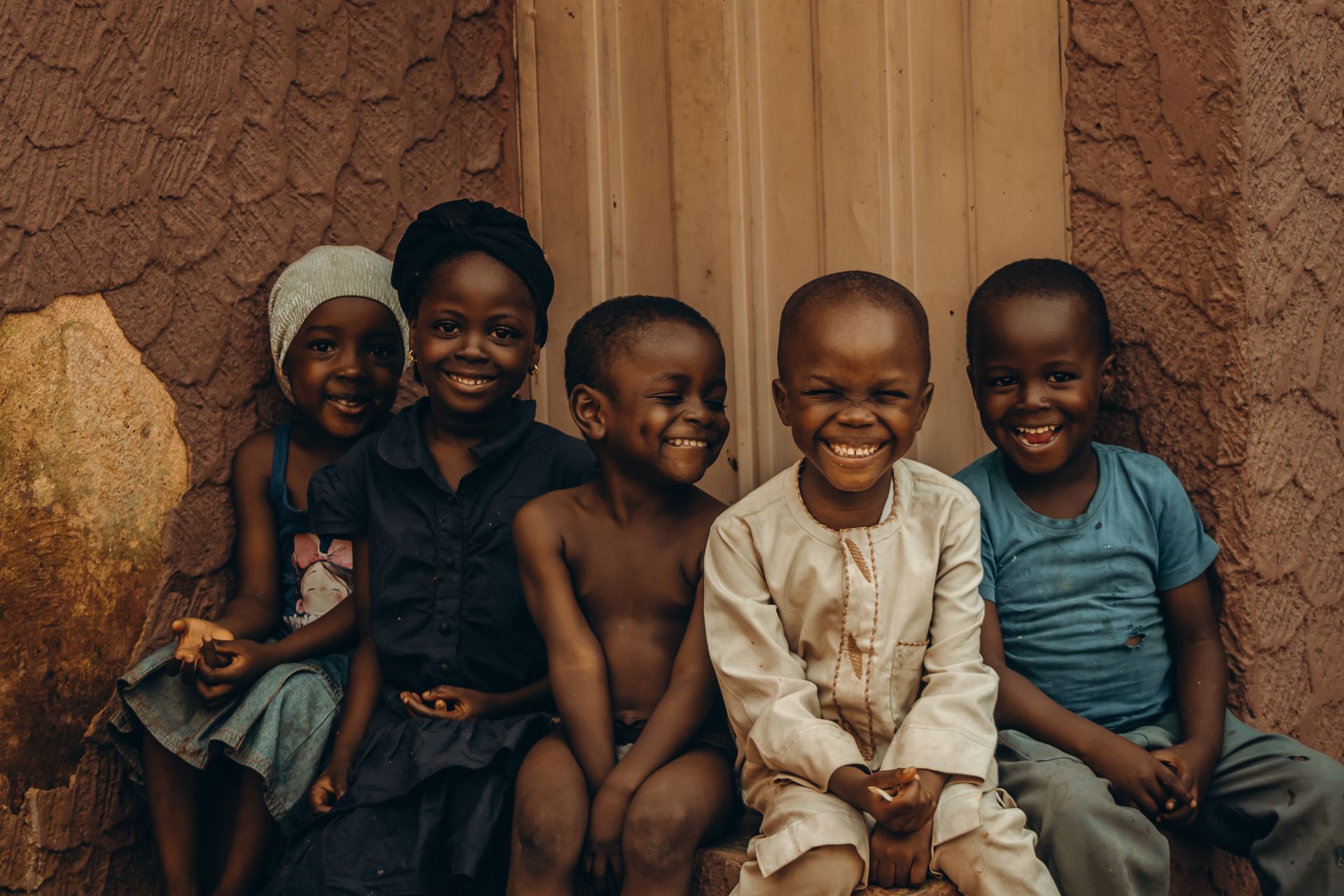
Top 10 African Countries With the Fastest-Growing Populations in 2026
The Central African Republic's population is growing at 3.283% a year — the fastest in Africa. Somalia and Niger are right behind. All 10 ranked by UN data.
Population, migration, and the social forces reshaping the continent.
The Central African Republic's population is growing at 3.283% a year — the fastest in Africa. Somalia and Niger are right behind. All 10 ranked by UN data.
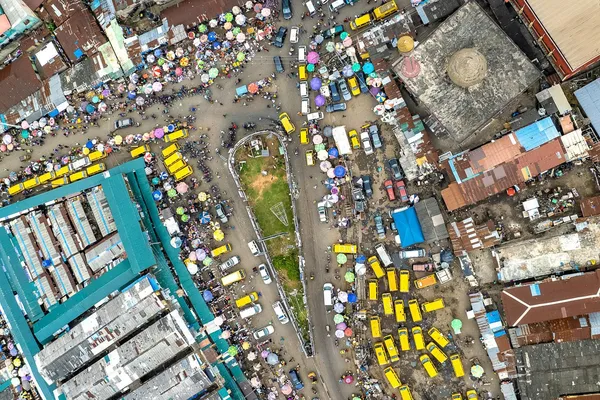
Nigeria leads Africa's 2026 population at 242 million people while Seychelles has the fewest at 135,000: every African country ranked by population, with growth rates and data sources.

The Central African Republic has Africa's youngest population in 2026, with a median age of just 14.6 years — the world's lowest, per UN World Population Prospects 2024.

The Hausa are Africa's largest ethnic group at roughly 86 million people, ahead of the Yoruba at 53 million. West Africa dominates the ranking — and every figure is an estimate, since most African states don't publish ethnic census data.

Chad has the highest fertility rate in Africa — and the world — at 5.84 children per woman in 2026, ahead of Somalia (5.81) and the DR Congo (5.80).
Arabic is Africa's most spoken language with more than 213 million speakers, followed by Nigerian Pidgin (121 million), Swahili (95 million) and Hausa (94 million), according to Ethnologue's 2026 data.
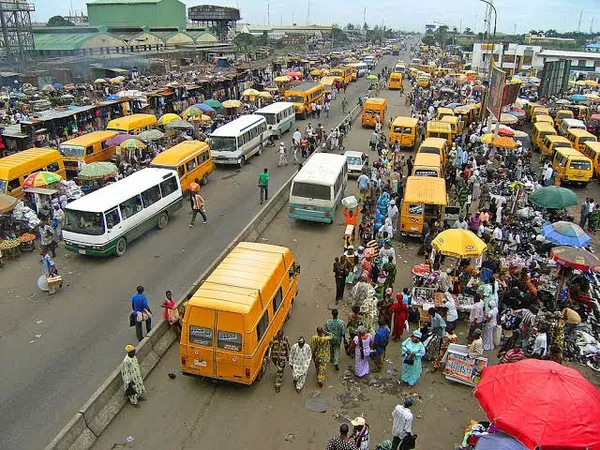
Nigeria is Africa's most populous country, with an estimated 242.4 million people in 2026, followed by Ethiopia (138.9 million) and Egypt (120.1 million), according to Worldometer and United Nations population data.

Ten people died at the scene. An eleventh victim died later at the hospital. Three others were wounded. One of the dead was a woman who police believe was pregnant.
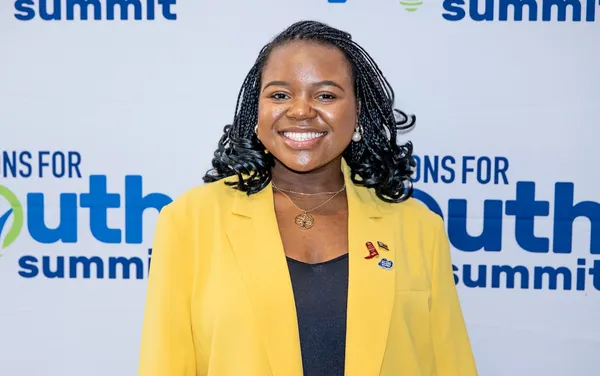
The Zimbabwe-born scholar, author, and education activist has spent years dismantling barriers to elite institutions, earning her a celebrated spot on the Forbes 30 Under 30 Europe list and cementing her status as a powerhouse of African diaspora excellence.
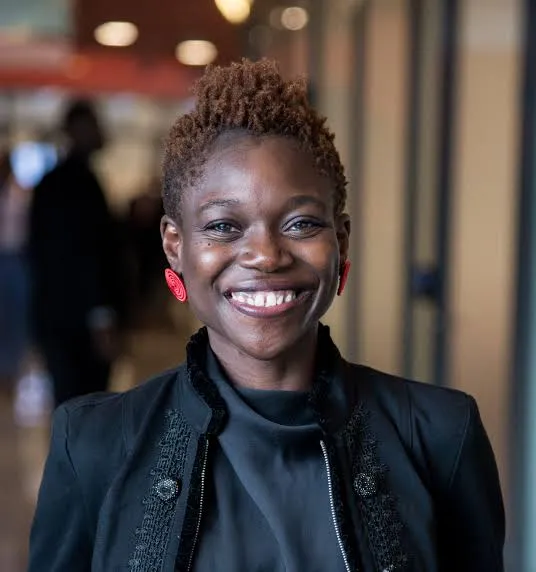
Western urban development models frequently treat African cities as emergency zones requiring reactive medical aid, ignoring how poor urban planning directly drives non-communicable diseases across expanding urban populations. Tolullah Oni shatters that paradigm.
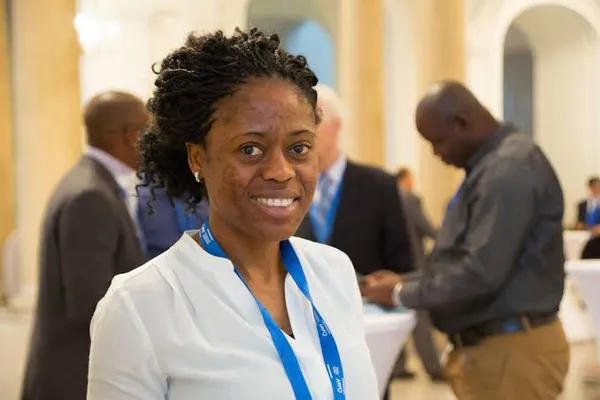
Western scientific institutions frequently treat African genetic data as a raw resource to harvest for foreign breakthroughs while leaving local research facilities underfunded.
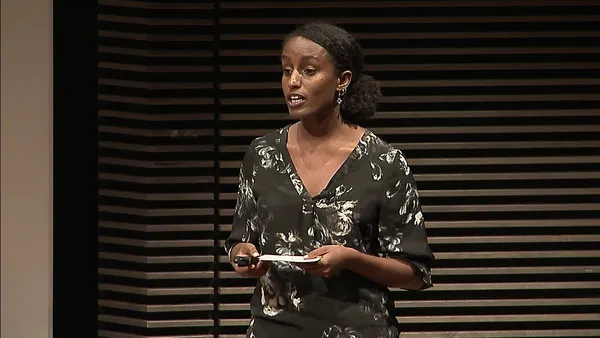
Why did it take until 2019 for one of Harvard's oldest fellowship societies to induct its first female computer scientist, and what does her research say about who artificial intelligence is actually built to serve?
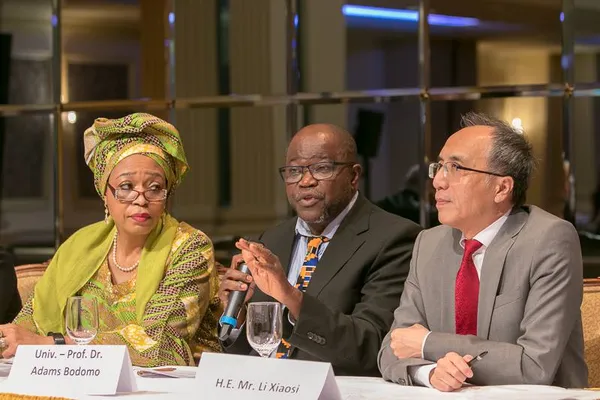
If you only look at European or American cities when you think about the African diaspora, you miss half the story. Meet Professor Adams Bodomo. Born in Ghana, educated across three continents, and currently holding the Chair of African Linguistics and Literatures at the University of Vienna.

Professor Thomas Kwasi Tieku commands global respect as a premier political scientist, splitting his academic powerhouse career between King's University College at Western University and a status appointment at the University of Toronto.
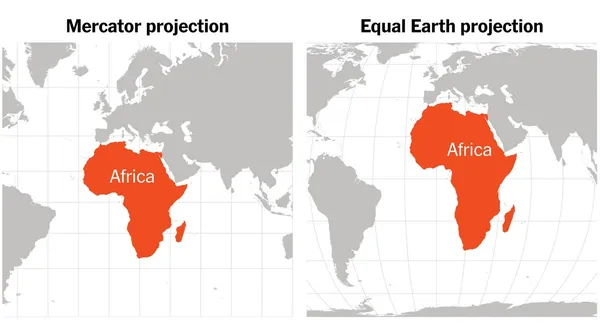
The UN has adopted a historic resolution that exposes how the 400-year-old Mercator projection shrunk Africa down to the size of Greenland. How can the world take claims of equity seriously when even the basic dimensions of our home continents have been manipulated to serve Western vanity?
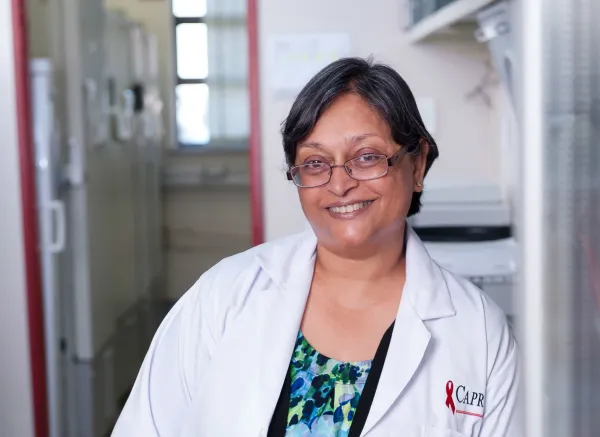
When exceptional African scientists lead life-saving breakthroughs that protect the entire planet, an essential question demands an answer. Why do elite Western medical frameworks still wait for African brilliance to solve global health crises before they offer true institutional respect?