
Table of Contents
A 90-day humanitarian truce deadlocks on arrival
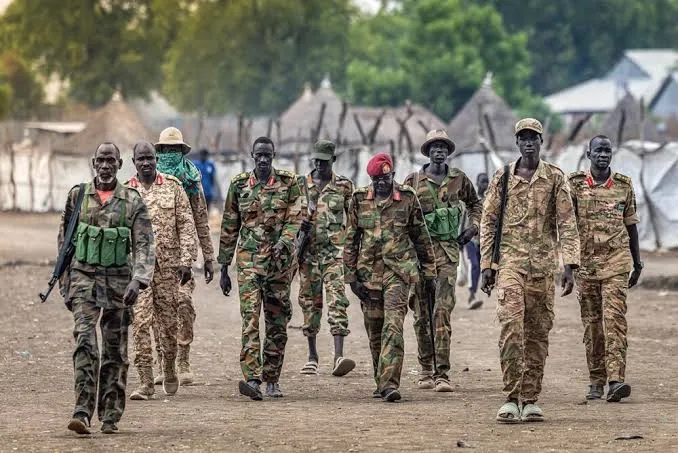
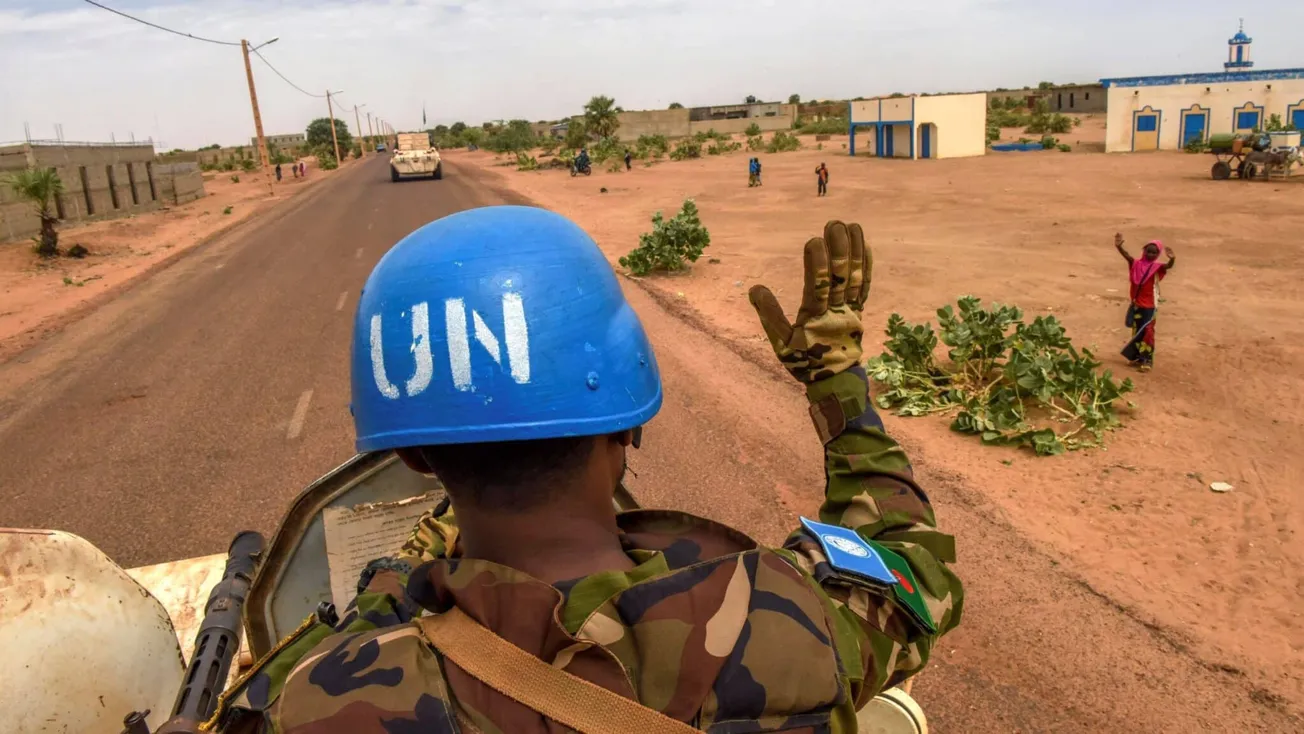
The latest U.S. framework offered a simple premise: a 90-day immediate ceasefire, phased troop withdrawals under UN supervision, and a path toward civilian rule. Instead, the deal hit a concrete wall. The Sudanese Armed Forces (SAF) demanded a total withdrawal of the Rapid Support Forces (RSF) from all captured cities before signing anything. The RSF called that demand an outright surrender attempt and refused. Result? Complete collapse.
Battlefield gains are completely wiping out diplomatic talks
Why compromise when you think you're winning? The SAF recently secured vital supply corridors linking Khartoum to North Kordofan, giving military commanders zero incentive to pause operations. Meanwhile, the RSF holds vast swathes of Darfur and western Sudan. With both sides convinced they can win militarily, Western paper agreements mean almost nothing on the ground.
The numbers behind the crisis are catastrophic
While foreign envoys trade press releases in capital cities, the reality on the ground in Sudan has turned into the world's largest humanitarian catastrophe:
- 13 million people displaced from their homes.
- 33.7 million citizens requiring urgent, life-saving aid this year.
- Tens of thousands killed as infrastructure and health systems disintegrate.
The Western peace playbook is fundamentally broken
This isn't Washington's first attempt at brokering peace in the region, and the historical record reveals a clear pattern:
- External Intervention: A Western power steps in, operating on its own election cycles and domestic media timelines.
- Paper Victory: Foreign diplomats push a high-pressure agreement, hold a signing ceremony, and claim a major foreign policy win.
- Strategic Extraction: The mediating nation secures its strategic, economic, or security objectives.
- Predictable Collapse: Once foreign attention moves on, local incentives vanish, the deal shatters, and fighting resumes with higher intensity.
Foreign optics take priority over long-term stability
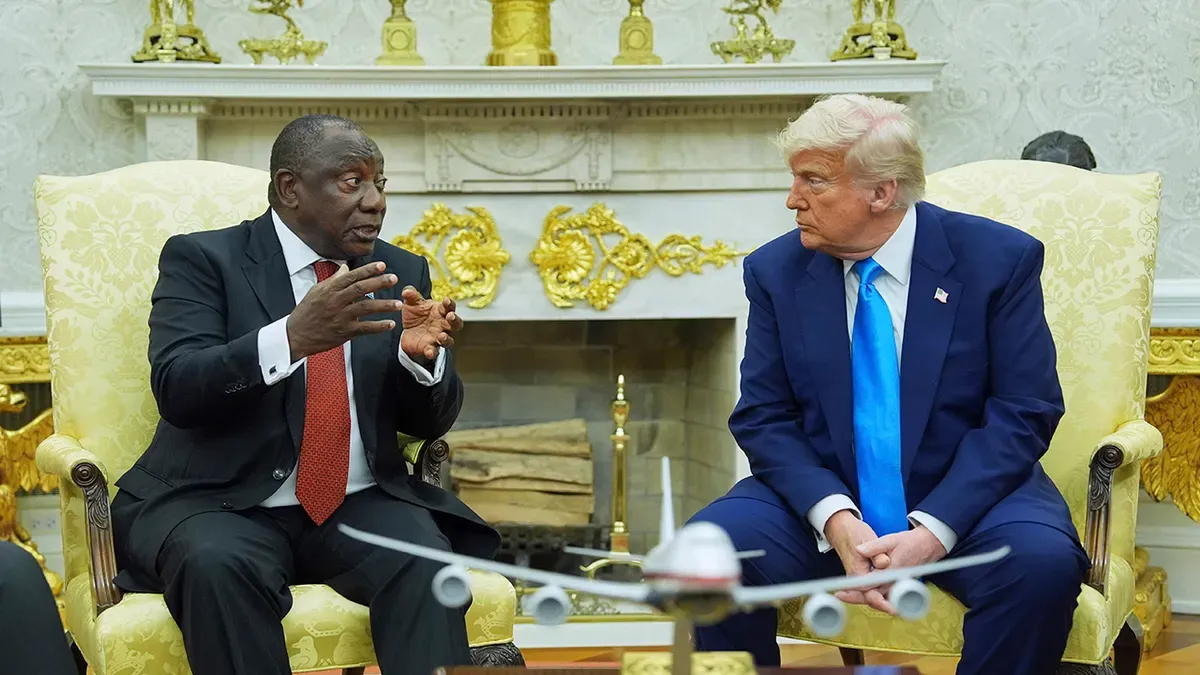
From the 2005 Comprehensive Peace Agreement (which eventually led to South Sudan’s civil war in 2013) to failed Darfur accords, top-down Western mediation treats complex civil wars like short-term photo ops. When foreign envoys fly in with rigid preconditions, local warring factions simply view the proposals as political documents to manipulate rather than real pathways to peace.
The Structural Trap: External mediators build peace deals around their own short political timelines. When those mediators pack up and go home, the populations left behind bear 100% of the risk when the peace falls apart.
African institutions are being pushed into the observer seat
Despite having the constitutional mandate, regional proximity, and cultural understanding to mediate, regional bodies like the African Union (AU) and the Intergovernmental Authority on Development (IGAD) have been relegated to background observer roles while foreign diplomats run the room.
Real peace requires regional ownership, not foreign rescue
As long as African capitals allow external powers to dictate security architecture across the continent, sustainable peace will remain out of reach. African regional institutions share borders, trade, and long-term consequences with Sudan. Until regional powers take the lead in enforcing solutions, backed by domestic resources rather than foreign agendas, the cycle of broken ceasefires will continue.



)