Table of Contents
1. A $1 Billion infrastructure project gets a controversial brand change
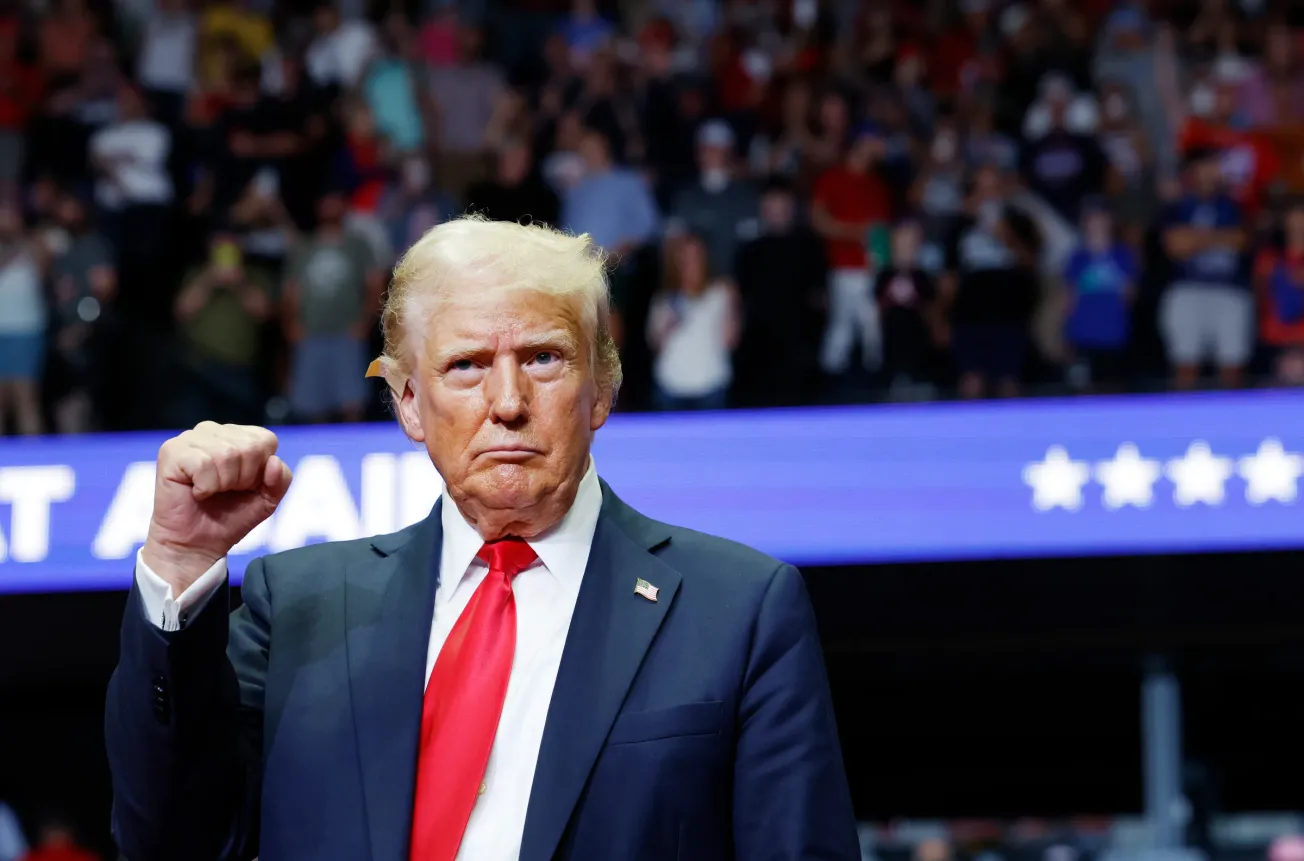
The 1,055-kilometer Tiznit-Dakhla expressway is the longest continuous highway project in Africa. Running along Morocco's Atlantic coast deep into the disputed territory of Western Sahara, it cost nearly $1 billion to build. King Mohammed VI formally confirmed in a letter that the mega-road is now officially called the Donald J. Trump Highway.
2. The ultimate strategic trade-off in modern diplomacy
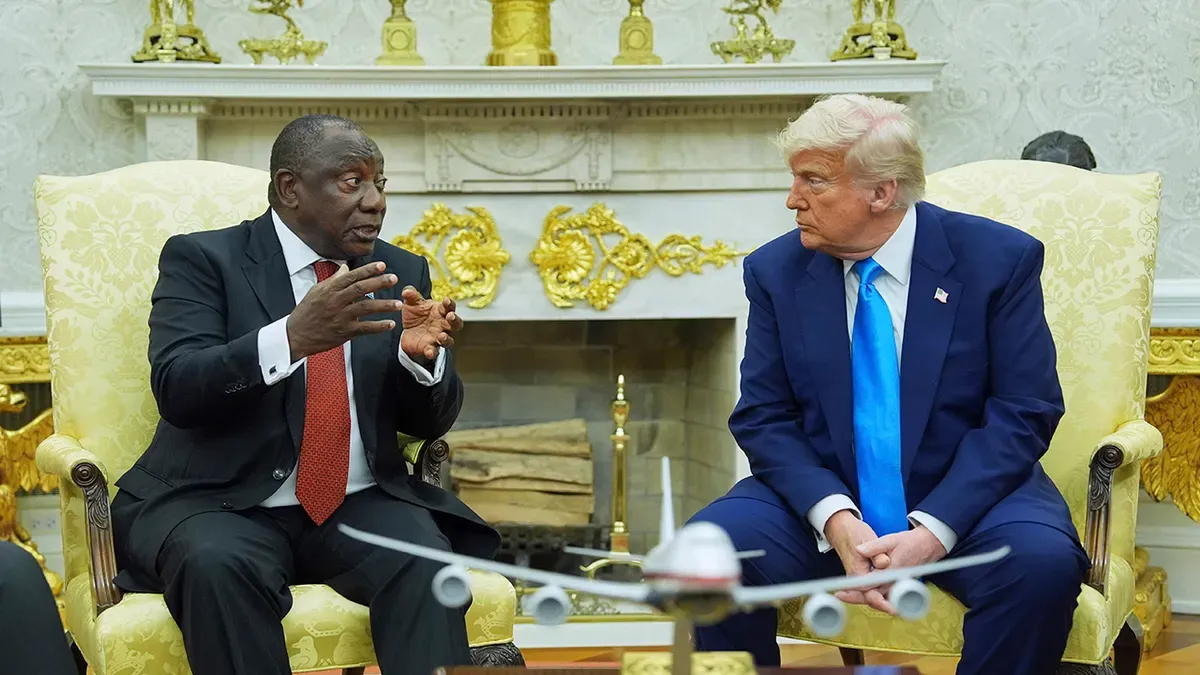
Why name a major African highway after a US leader? The gesture is a direct payback for December 2020, when the Trump administration broke with decades of established US neutrality to formally recognize Morocco’s sovereignty over Western Sahara. That landmark decision was brokered alongside the Abraham Accords in exchange for Morocco normalizing relations with Israel.
3. The historical inequality is hard to ignore
Here is a reality check: no Western nation has ever named a major piece of infrastructure after an African head of state in modern history. No motorways, no airports, no stadiums in Washington, London, or Paris carry the names of African leaders. The naming tradition runs strictly one way.
The One-Way Street: African governments routinely name national monuments, bridges, and airports after Western donors and presidents. When was the last time a European capital named an expressway after an African head of state?
4. It cements control over billion-dollar natural resources
This road isn't just about smooth asphalt; it's about economic control. Western Sahara holds some of the world’s largest reserves of phosphate, essential for global agricultural fertilizers. Its Atlantic waters also house some of the richest fisheries on earth. The new highway physically integrates these contested resource hubs into the central Moroccan economy.
5. The UN still considers Western Sahara a "non-self-governing territory"
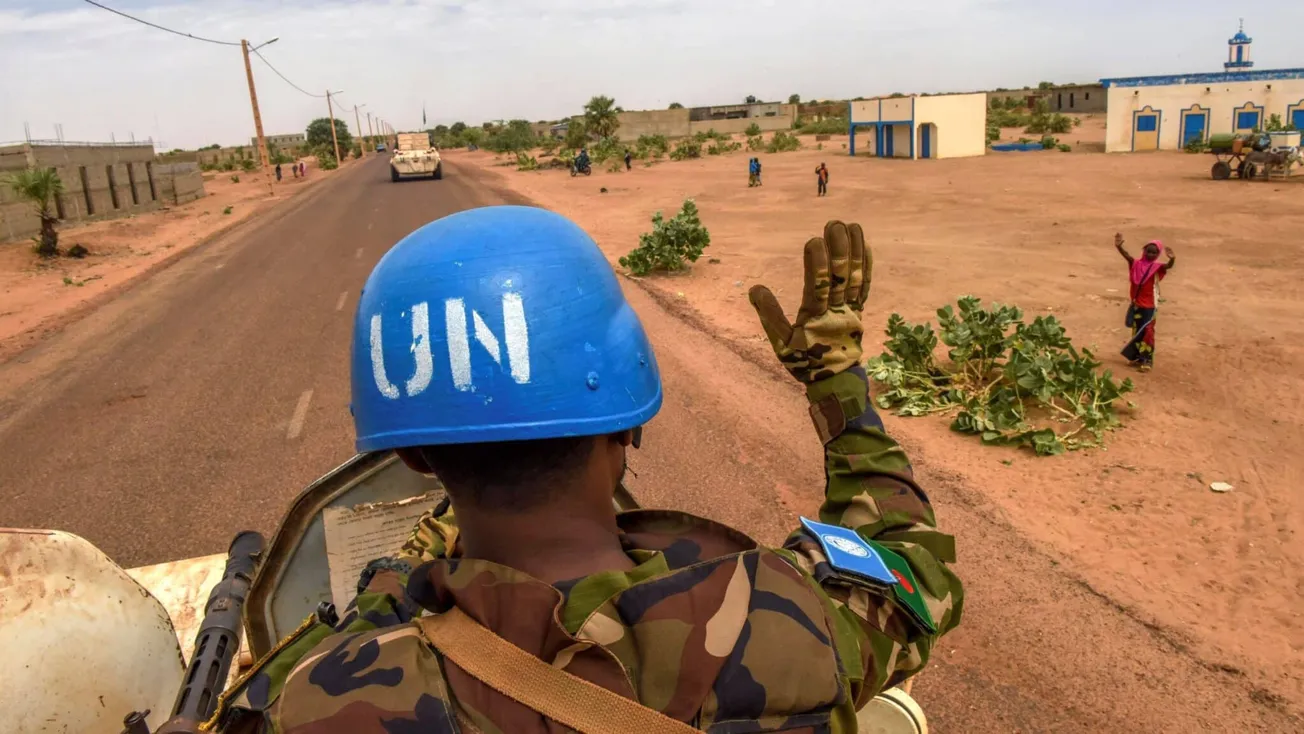
While Washington and Rabat celebrate the partnership, the United Nations officially maintains that Western Sahara is an unresolved non-self-governing territory. For over 50 years, the UN has called for a self-determination referendum for the indigenous Sahrawi people; a vote that has been continually stalled and delayed.
6. The African Union remains deeply divided
The decision highlights a major fault line across the continent. The African Union recognizes the Sahrawi Arab Democratic Republic as a full member state. However, Rabat has spent years using strategic bilateral trade deals, banking investments, and infrastructure projects to split African consensus and convince neighbouring governments to back its regional stance.
7. World Cup 2030 calculations play a hidden role
Why push this gesture so aggressively right now? Foreign policy analysts point to Morocco’s upcoming co-hosting of the 2030 FIFA World Cup alongside Spain and Portugal. Securing diplomatic backing and heavy infrastructure investments across its southern ports (like the Dakhla Atlantic Port) helps Rabat solidify its standing as an indispensable transatlantic logistics hub.
8. What this says about modern African sovereignty
The highway deal exposes how African land, political outcomes, and valuable natural resources are still frequently traded for external political coverage. Framing a major territorial transaction as a simple "expression of personal gratitude" masks the reality: domestic populations and displaced Sahrawi communities were never brought to the negotiating table.