

Top 10 African Nations Leading the Mental Health Conversation 2025
It's interesting to see how people use digital platforms, whether for health or entertainment, like Pusoy Go on GameZone.
Explore the political and economic forces shaping Africa’s business environment. From policy reforms to institutional dynamics and geopolitical shifts, we unpack how power, policy, and markets intersect across the continent.
It's interesting to see how people use digital platforms, whether for health or entertainment, like Pusoy Go on GameZone.
The gap between atheism and non-religious identity in Africa mirrors how culture, politics, and generational shifts influence expressions of belief.
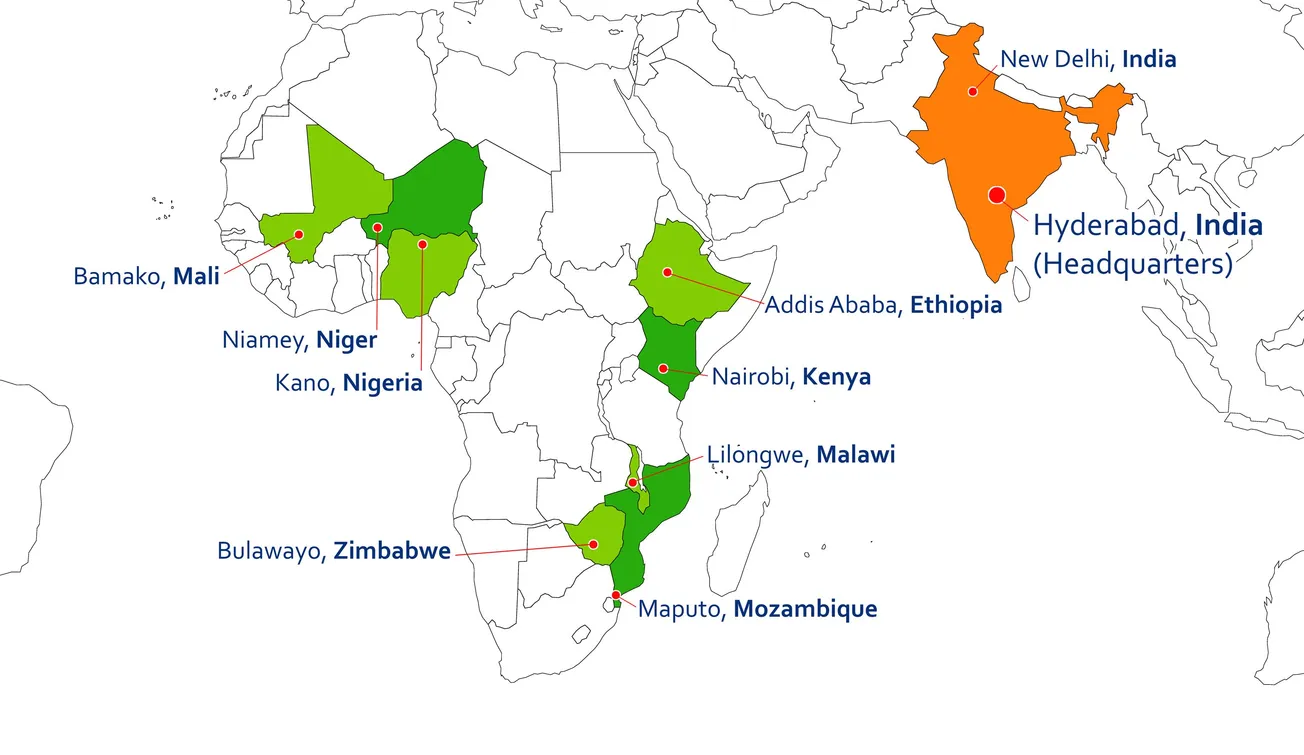
Africa’s geography anchors world trade. Egypt’s Suez Canal, South Africa’s ports, Kenya’s gateway role, and Mauritius’s location show how nations turn position into power.
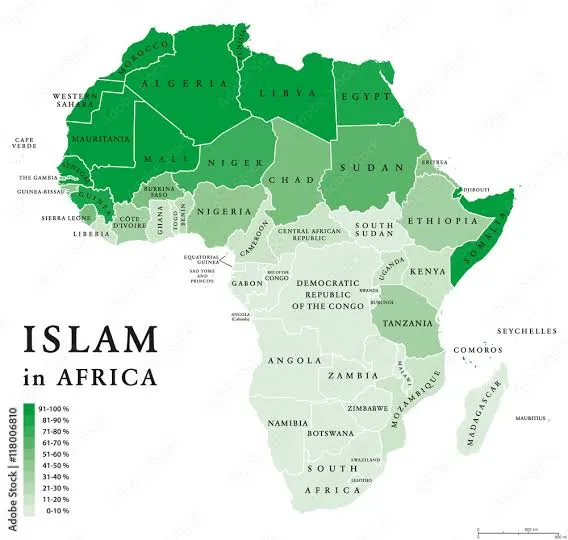
Africa’s Muslim-majority nations are advancing education, growing Islamic finance, and fostering interfaith efforts through reforms and change.
Africa’s largest nations represent more than borders as their land drives economies, resources, and influence locally and globally.
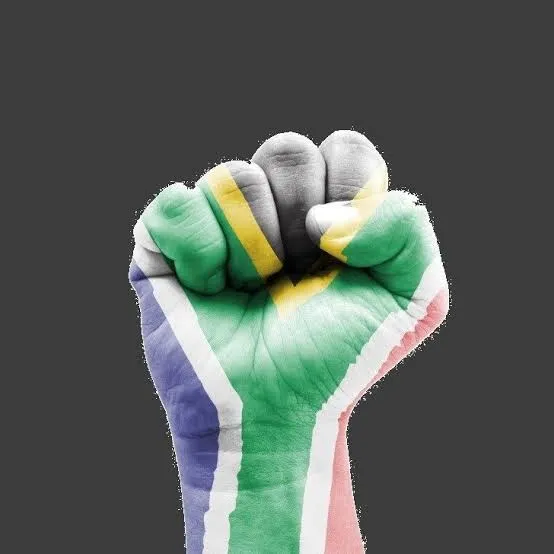
In 2025, African power blends rising economies, strategic militaries, and cultural influence, with South Africa, Egypt, and Morocco shaping regional stability and global policy.
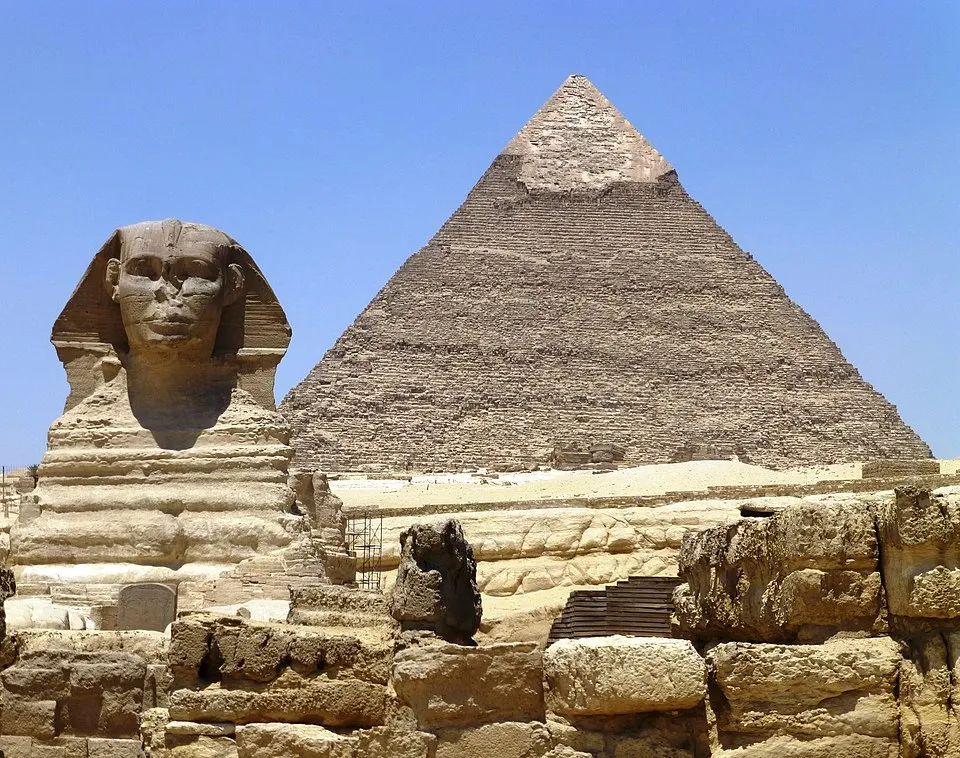
Africa’s oldest countries, with histories spanning from circa 980 BC to the mid-20th century, have shaped the continent’s independence movements, which continue to influence its future.
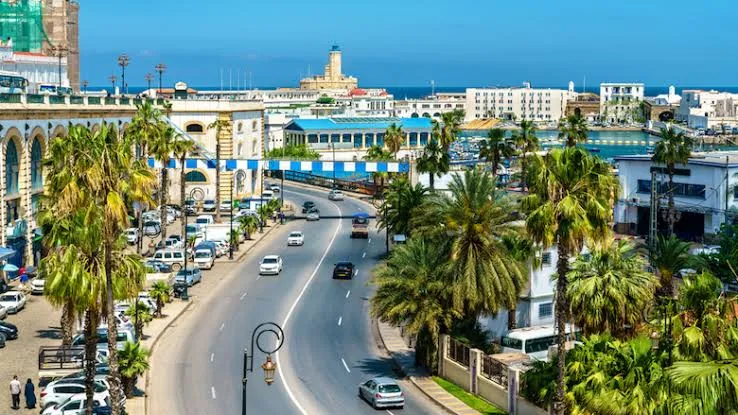
Africa’s 2025 economy is driven by resilience and change. As global energy shifts create short-term gains, long-term growth now depends on digital innovation, stronger regional trade, and a move away from heavy reliance on natural resource exports.
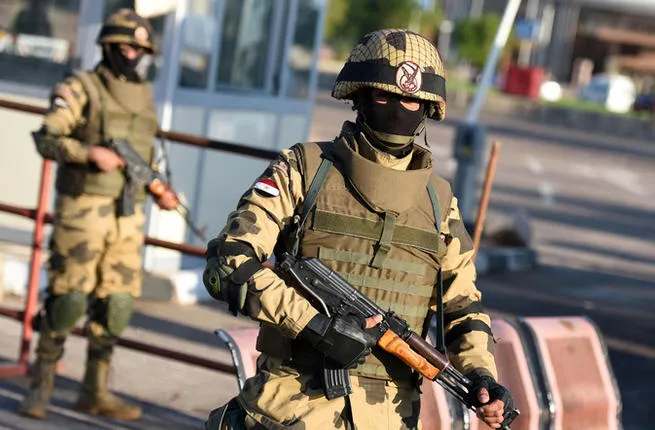
Africa's defense priorities and capabilities have shifted from war-fighting to warfare. Egypt leads the charge for nuclear security, Nigeria continues to expand its regional combined joint task force command, and Algeria is increasing its Russian maritime security cooperation across North Africa.
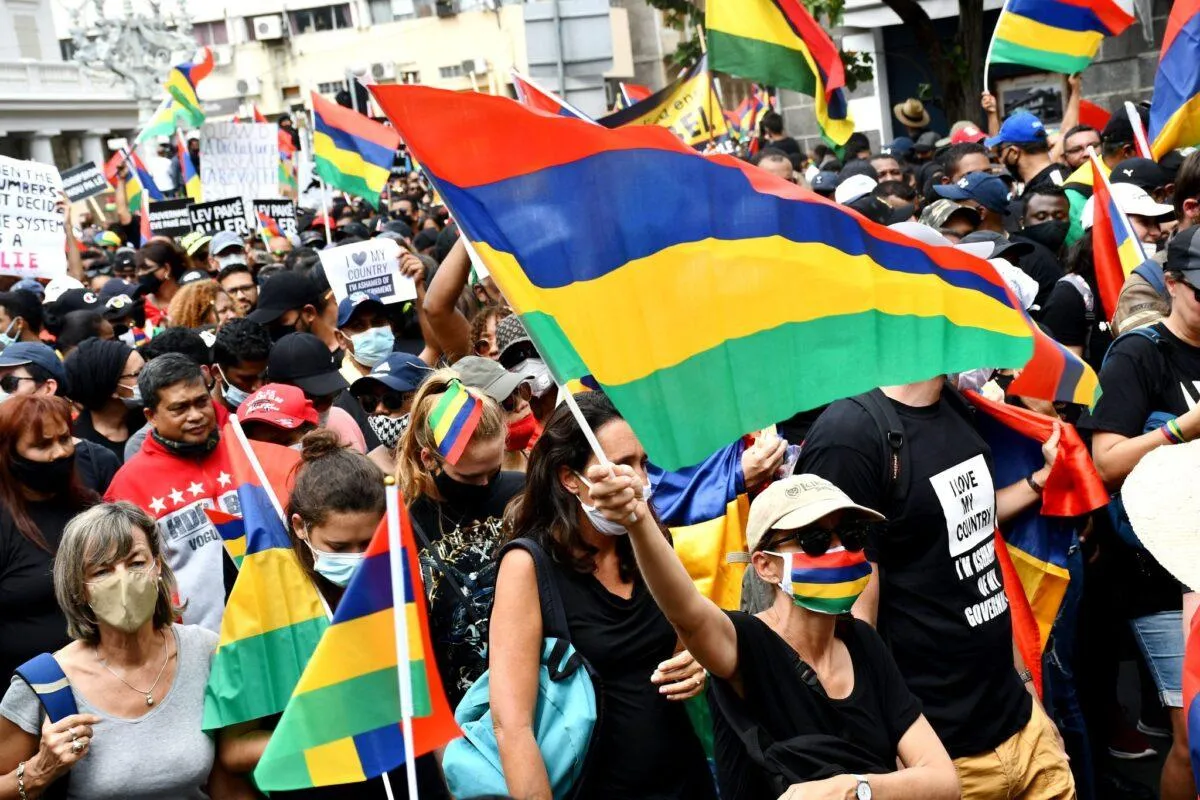
In 2025, Africa’s democratic outlook is influenced by electoral reforms, rising voter engagement, and legal safeguards. Some African countries achieve peaceful transitions to strengthen their civic institutions, while some use active judicial checks to counterbalance executive influence.
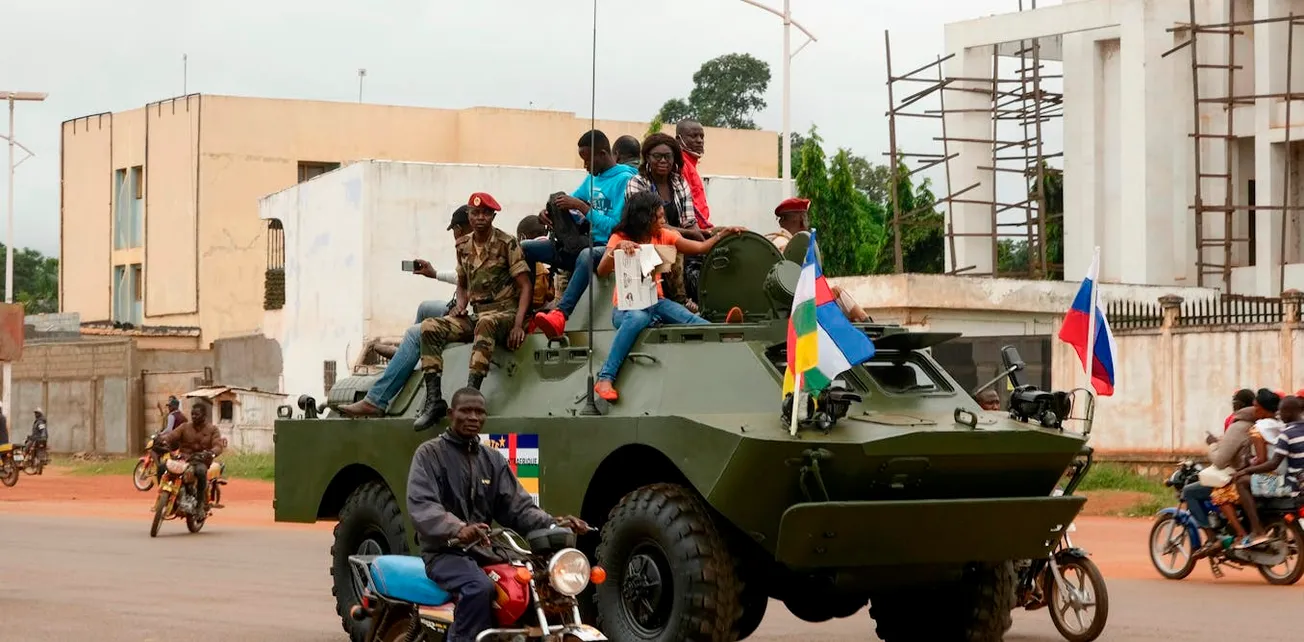
Wars in Africa have disrupted daily life in the affected regions. Hospitals struggle to operate, Schools remain closed and most communities have been displaced. For some countries like the northern Burkina Faso and eastern DRC, Wars have changed the state of living, altering their normal life.
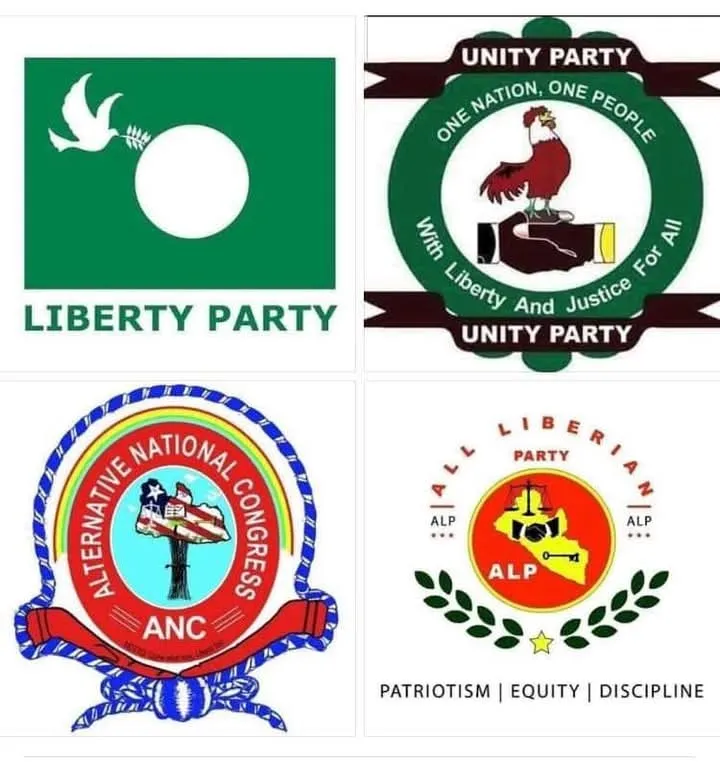
In 2025, most African countries no longer operate a one-party system. A multi-party system effectively controls the distribution of power making sure power is earned through real consensus. Countries like Liberia, and Morocco demonstrate how political diversity can exist with electoral credibility.
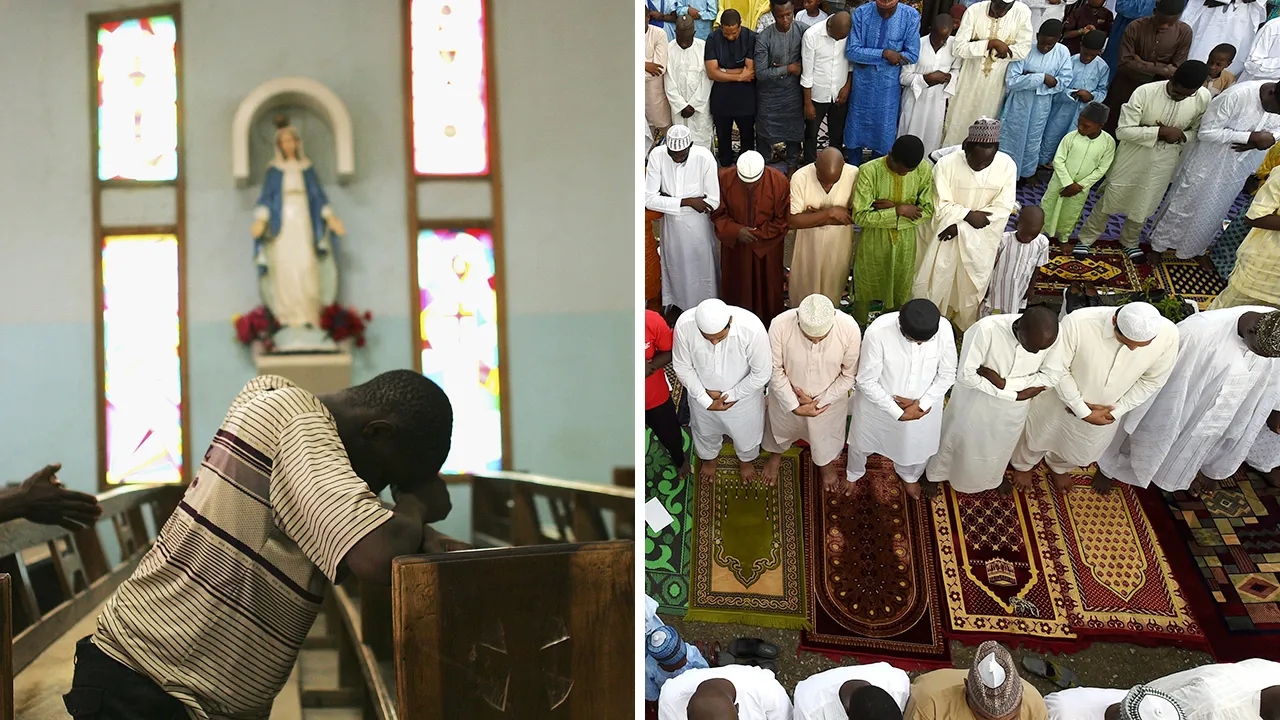
In Africa, religion influences more than the beliefs of the people. It drives other aspects like education, healthcare, and politics. Nigeria tops the list with 203.9 million believers, with Churches and mosques dominating. Ethiopia and Egypt's traditional religion still defines their daily lives.
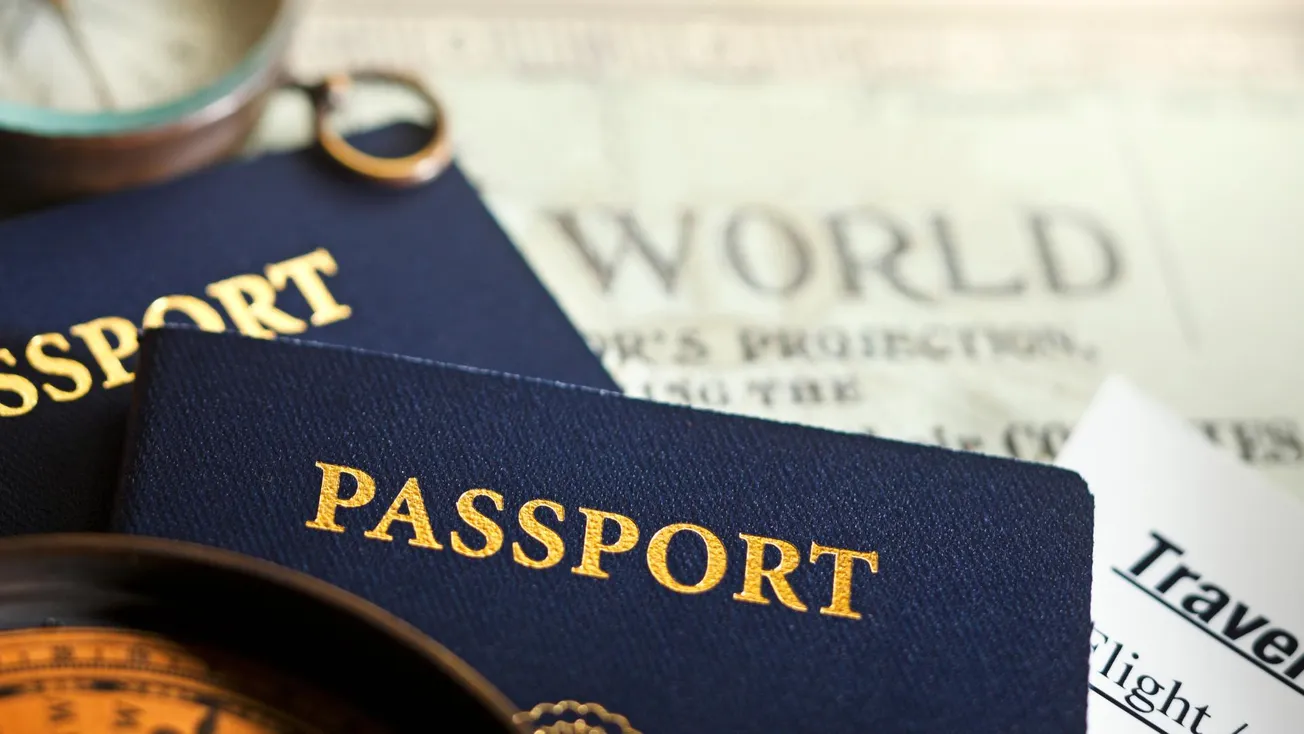
The 2025 African passport rankings are dominated by most island nations. Seychelles tops the list with access to 149 countries. Global trust in mobility is more about strategic factors rather than size, with countries like Lesotho and Eswatini enjoying significant global access to other countries.
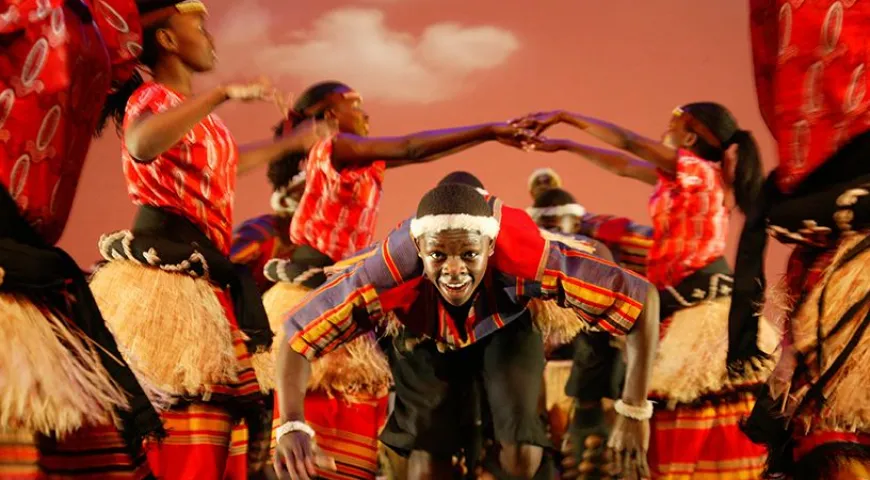
In Africa, the fragmentation of deep ethnic shapes identity, conflict, and politics. Uganda tops the diversity charts with 93%. Chad's geographic area divides over 100 ethnicities, while Madagascar blends Asian and African origins. In Africa, diversity is more about nationality than culture.
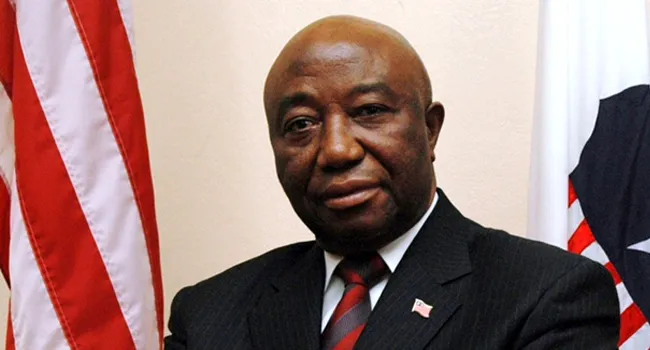
The Presidential transition tells a deeper story about African countries after gaining independence, showing their resilience and dedication to democracy. Liberia holds the highest number with 26 presidents since its independence in 1847.