Table of Contents
1. He has been missing for over 60 straight days
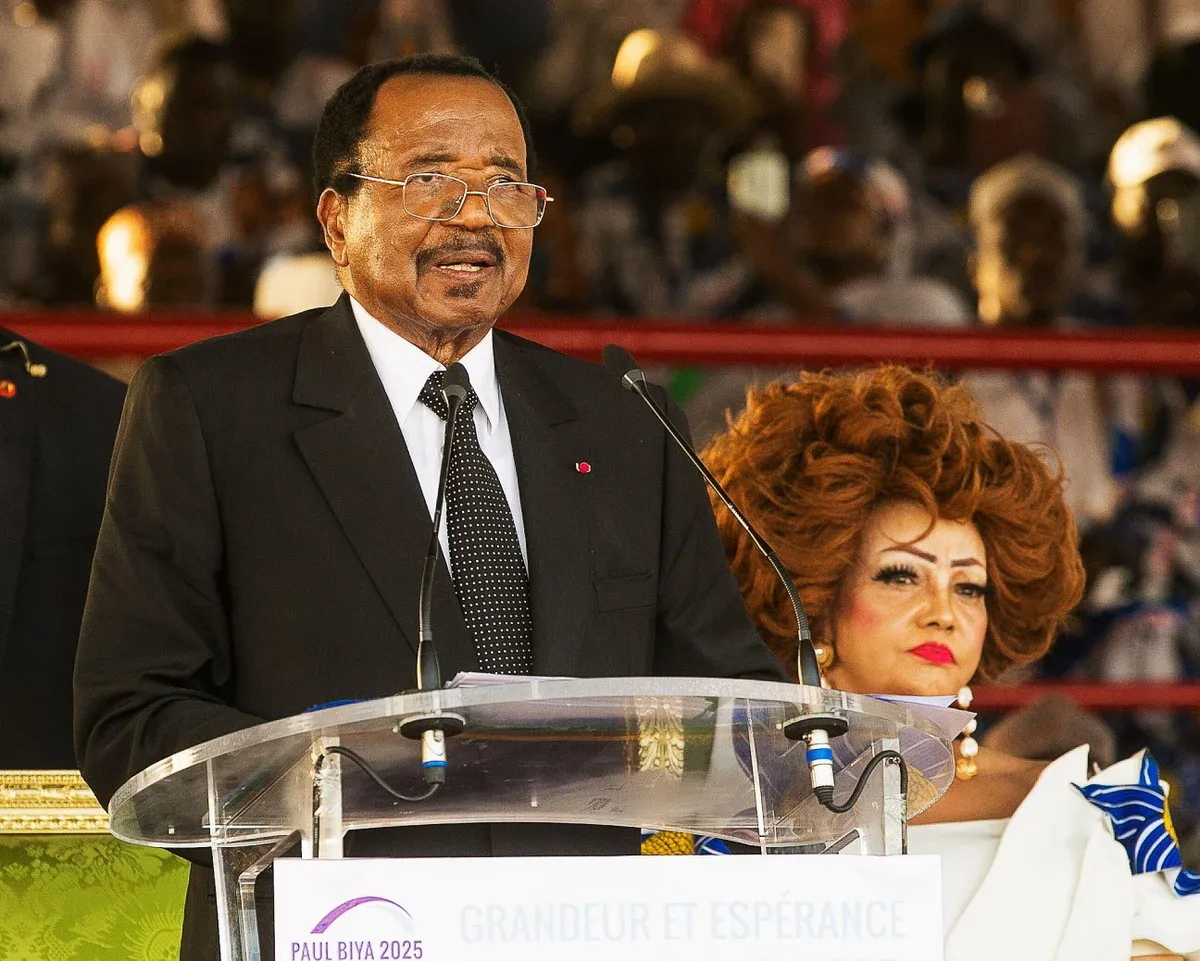
Paul Biya left Cameroon on June 7, 2026, for what his administration labeled a "short, private stay" in Europe. He has not been seen in public since. This two-month absence sets a record even for a leader famous for prolonged European getaways throughout his 43-year rule.
2. He is reshaping the military command structure from a hotel room
Distance has not stopped executive actions. Operating directly out of Switzerland, Biya signed presidential decrees reshuffling Cameroon's military leadership and promoting five colonels to brigadier generals. While the government claims this proves he is actively working, opposition leaders argue it highlights a bizarre institutional vacuum.
3. The official government line? He is just taking "annual leave"
Reports from outlets like Jeune Afrique suggested Biya was admitted to a private Swiss clinic following health issues. The Cameroonian government quickly fired back, calling the reports baseless. Labor Minister Grégoire Owona defended the disappearance by stating that Biya, like any other citizen, has a legal right to take annual vacation.
4. The country is essentially running on autopilot
Biya won an eighth consecutive term in late 2025, but eight months later, he has still not appointed an official new government. Cameroon is currently managed by a temporary caretaker cabinet. Opposition parties describe the state of affairs as a ship sailing without a captain.
5. This is a recurring pattern for world's oldest sitting head of state
At 93 years old, Biya’s prolonged absences are a familiar headache for Cameroonians. A nearly identical situation played out in late 2024 when he vanished for weeks, prompting officials to declare the president's health a classified matter of national security before he eventually reappeared.
6. Critical national crises are being left completely unaddressed
Cameroon is not sitting quietly in a state of peace. The country faces massive challenges that require active leadership:
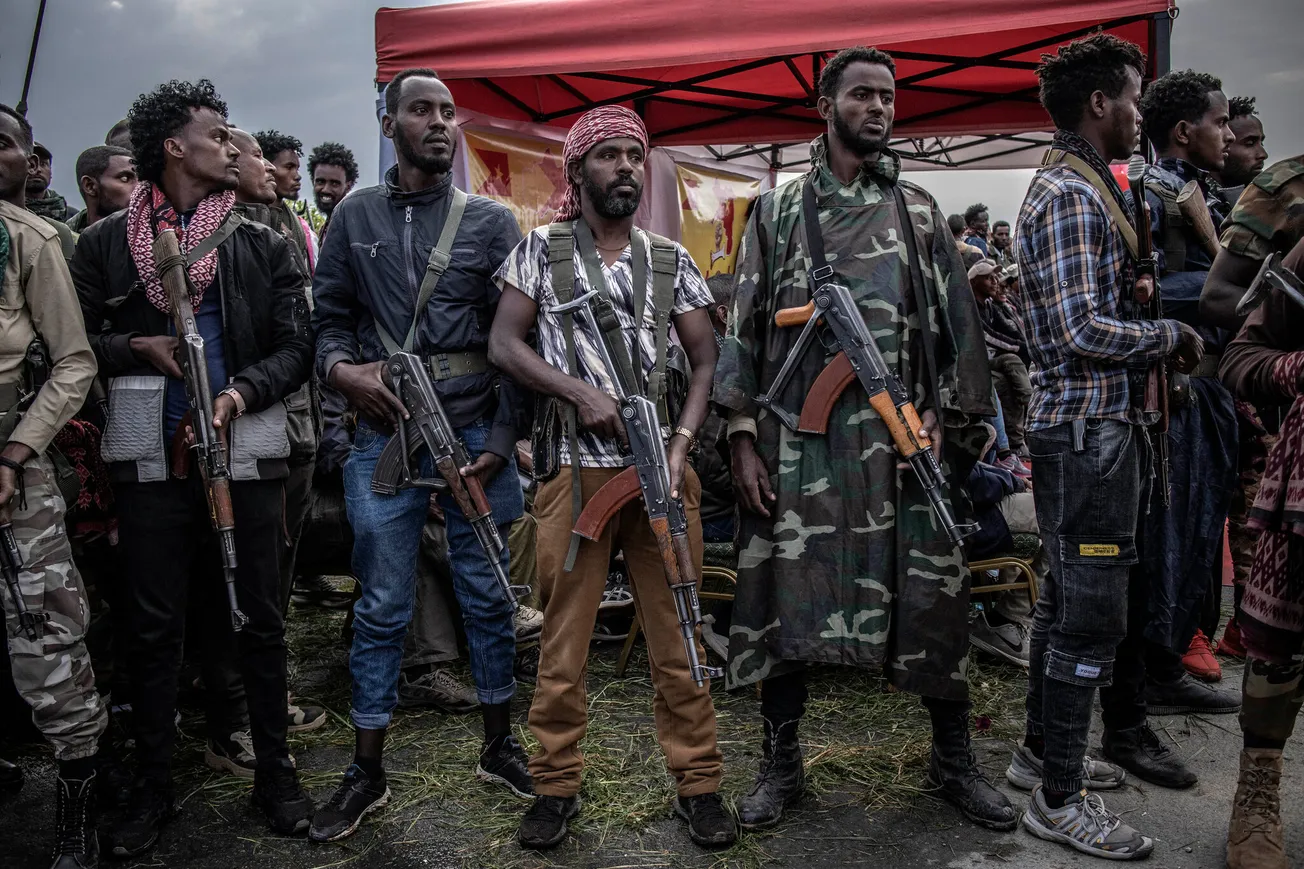
- Active Conflict: A deadly separatist war in the Anglophone Northwest and Southwest regions.
- Political Instability: Unresolved fallout and tension from disputed election results.
- Economic Strain: Widespread economic stagnation affecting millions of young citizens.
The Big Takeaway
This situation highlights a troubling trend seen across parts of the continent: African leaders traveling abroad for extended medical or personal stays while treating their health status as a state secret. When crucial decisions about budgets, security, and national stability are handled from foreign hotel rooms, it exposes a total lack of transparency. Citizens deserve to know if the person holding executive power is actually capable of governing.