The Verdict
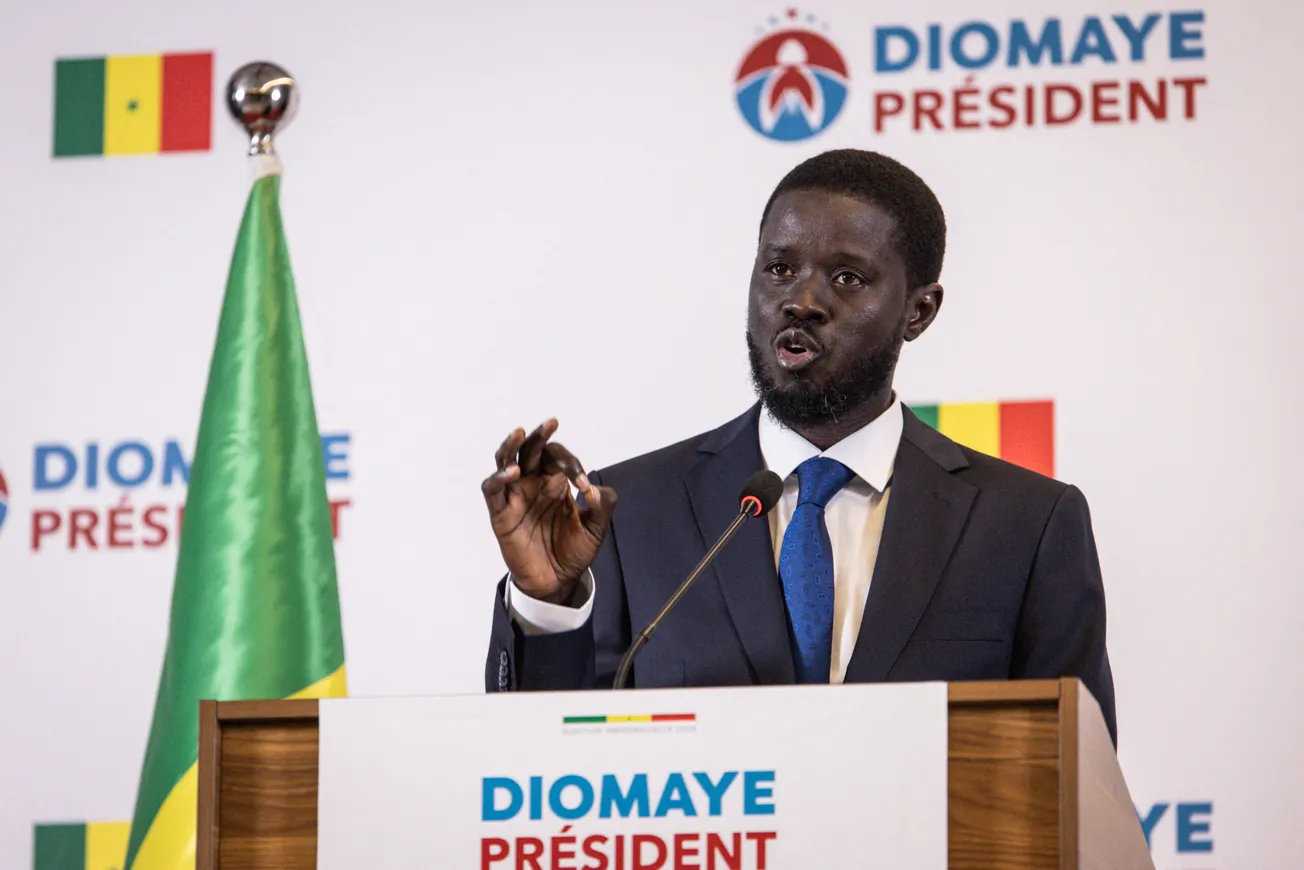
A court in Dakar sentenced three TikTok content creators to prison without parole for publishing videos deemed offensive to President Bassirou Diomaye Faye.
- Mandoumbe Diop (Lamignou Darou): 3 months in prison without suspension. He commands over 500,000 followers on TikTok.
- Magueye Diaw (Oustaz Thiep): 2 months in prison without parole and an 890 USD fine.
- Moustapha Ndiaye (Ndiaye Touba): 2 months in prison without parole and an 890 USD fine.
Their defense attorney argued that the posts were simple comedic satire, but the court proceeded with criminal convictions.
The Internal Political Feud
This legal action coincides with a rift inside Senegal's ruling apparatus. President Faye recently split from his political ally, former Prime Minister Ousmane Sonko, to launch a separate political party. The three convicted creators work for Feenal Digital, an online platform associated with Sonko’s PASTEF movement. The criminal prosecution occurred shortly after these political factions fractured.
The Irony of Power
Bassirou Diomaye Faye won the March 2024 presidential election following public protests over the former administration's imprisonment of political opponents. Faye served time as a political detainee under the previous government. His campaign promised democratic reform, institutional renewal, and civil liberty protections. Today, his administration utilizes the same statutory provisions against citizens creating online content.
The Continental Trend
Governments across Africa routinely expand cybercrime statutes to prosecute digital speech, framing these laws as measures to protect public order:
- Nigeria: Enforces the Cybercrimes Act to detain digital commentators.
- Tanzania: Utilizes online communication regulations against opposition figures.
- Ghana: Detains independent bloggers for criticism of state executives.
- Ethiopia: Applies anti-terrorism frameworks against digital journalists.
Freedom of Speech vs. Digital Abuse
Are African leaders trampling on citizens' fundamental right to free expression, or are users abusing social media platforms?
The Case for Digital Regulation: Governments maintain that public officials face coordinated disinformation, targeted defamation, and coordinated digital harassment designed to destabilize public order. Social media platforms can amplify unverified allegations, spread fabricated media during election cycles, and incite public unrest under the guise of free speech.
The Case for Free Expression: Civil rights advocates note that criminalizing online speech protects public officials from accountability. When governments use state security apparatuses and prison sentences to silence comedians, satirists, and political commentators, statutory regulation shifts into political censorship.
Why It Matters
Senegal operated as a regional benchmark for peaceful democratic transitions. When a reformist administration deploys state legal mechanisms against creators making satirical videos, it signals how rapidly leaders adapt to state authority once inside the presidential palace.