Table of Contents
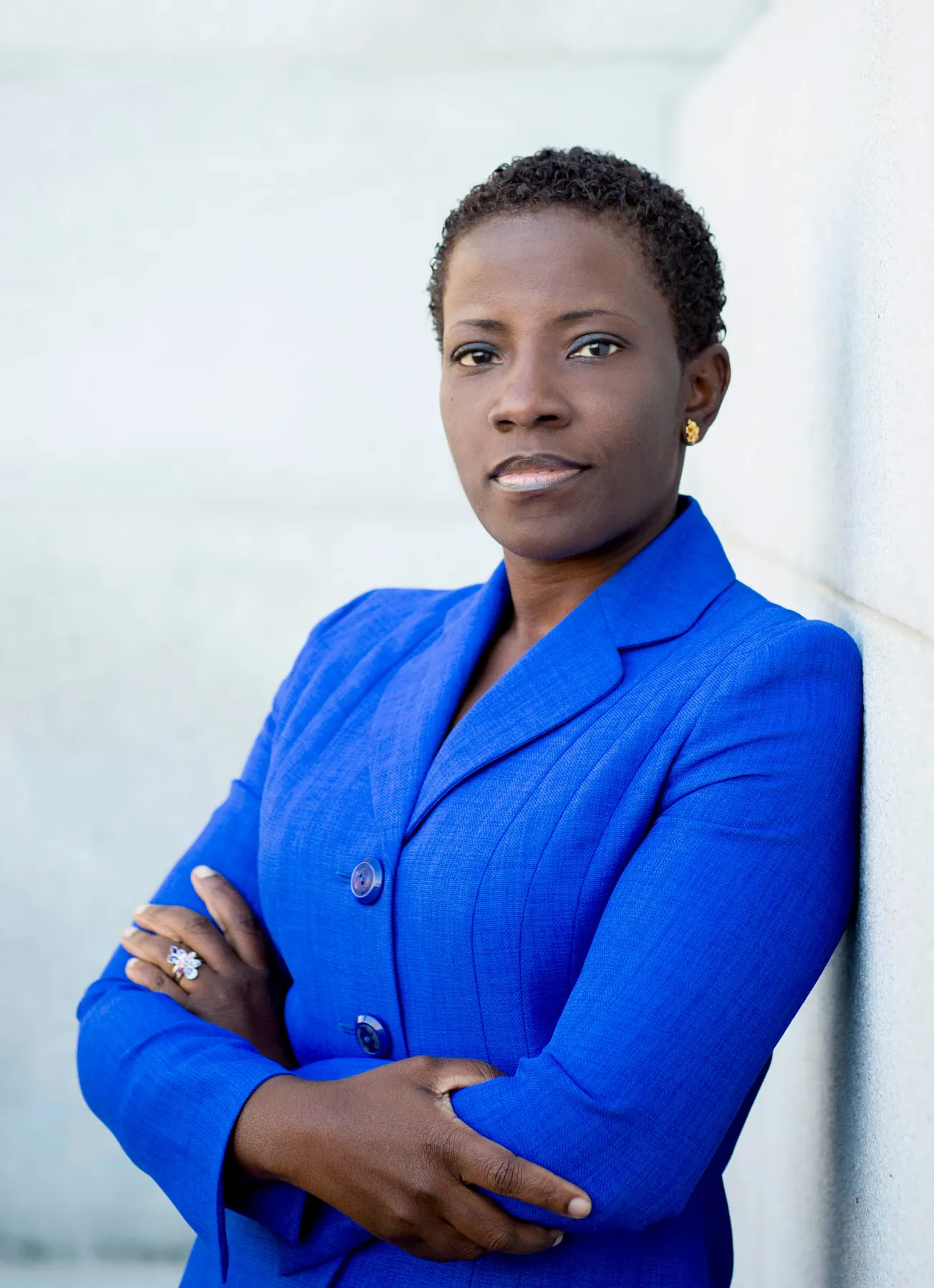
Dehlia Umunna shattered centuries of precedent by becoming the first Nigerian to achieve a tenured law professorship at Harvard Law School. As Clinical Professor of Law and Deputy Director of the Criminal Justice Institute, she trains law students while advocating for marginalized communities in the legal system. Her milestone continues to inspire African intellectuals in the diaspora to claim leadership roles in top global institutions.
From Lagos To Cambridge
Dehlia Umunna grew up in Nigeria before pursuing higher education in the United States. She earned a bachelor's degree from California State University, San Bernardino, followed by a law degree from the George Washington University Law School. She added a Master's in Public Administration from the Harvard Kennedy School. Her career choice centered early on public service and defense work rather than lucrative corporate law firms.
Building A Powerhouse Career In Public Defense
Before stepping into Harvard classrooms, Umunna served as a trial attorney at the Public Defender Service for the District of Columbia. She represented indigent clients facing serious criminal charges in courtrooms every week. She took that frontline trial experience directly into legal academia, joining the Harvard Law School faculty as a lecturer in 2007.
Shattering The Academic Glass Ceiling
In 2015, Harvard Law School appointed Umunna as a Clinical Professor of Law with full tenure. That decision made her the first Nigerian law professor to earn tenure in the institution's history. The achievement brought immediate international recognition to her work, celebrating Nigerian academic excellence on one of the world's most visible stages.
Shaping Criminal Justice Policy Daily
At Harvard, Umunna guides the Criminal Justice Institute, where she mentors students through real courtroom trials. She teaches criminal defense, juvenile justice, and trial advocacy, while writing extensively on criminal procedure and racial disparities in the justice system. Her work ensures that African diaspora legal scholars stay at the absolute center of global justice debates.