
1. A lightning-fast vote raised immediate "quid pro quo" questions
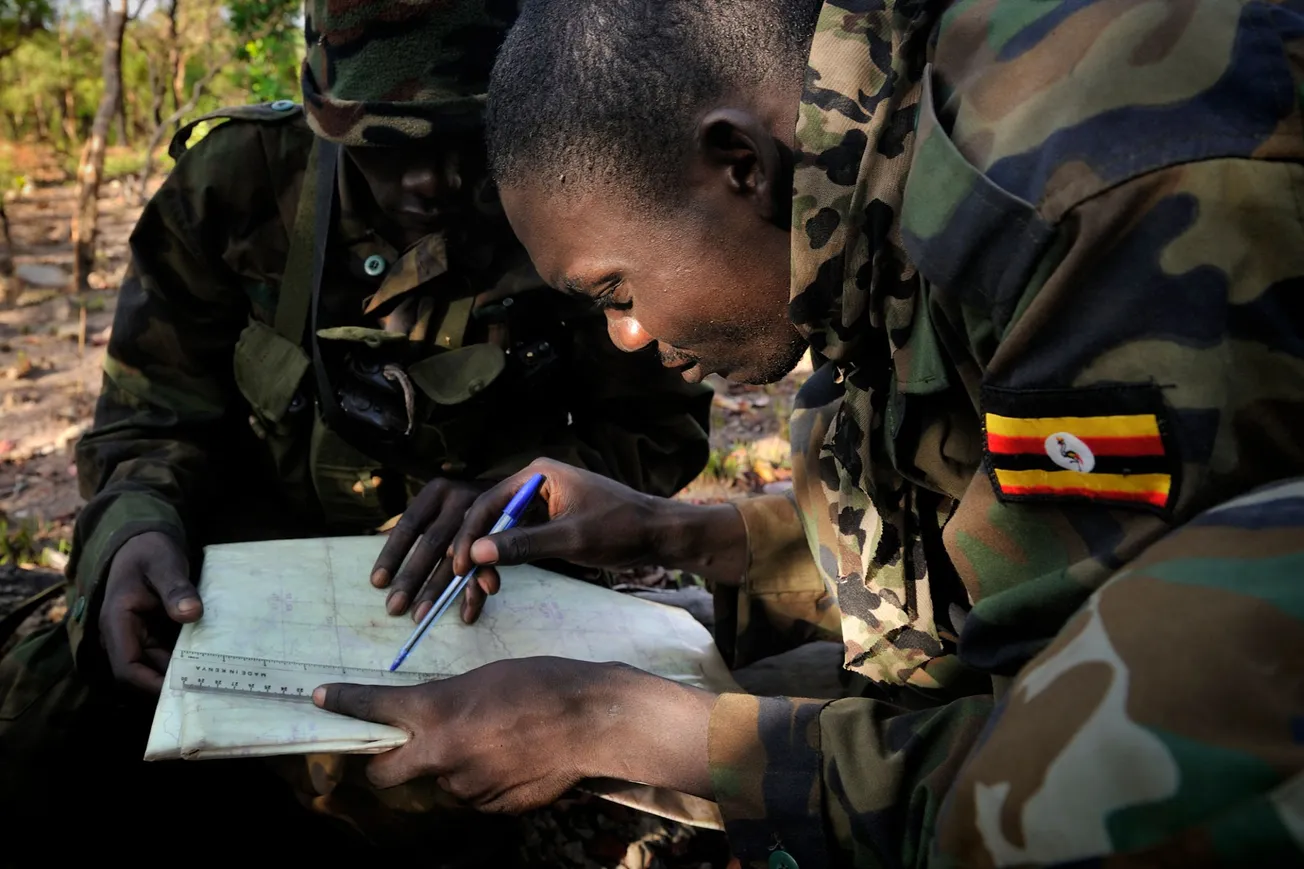
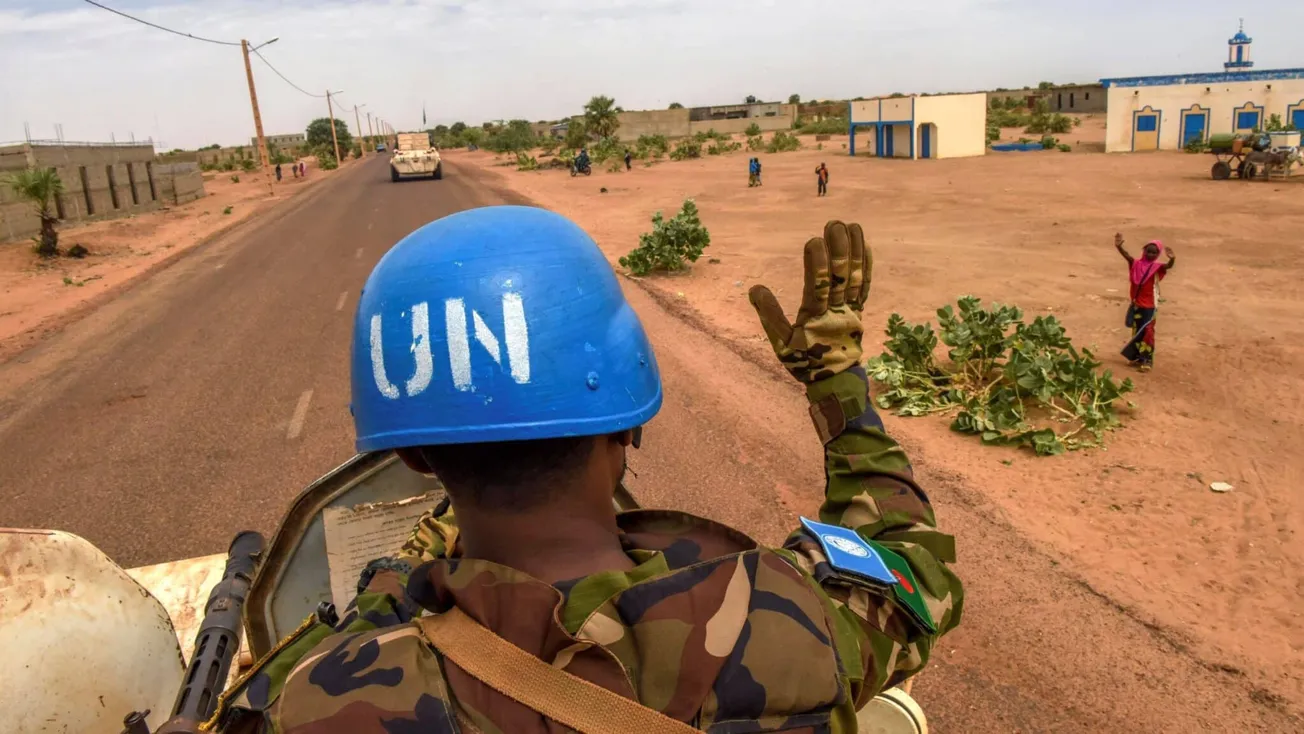
In a single day session, Uganda’s parliament voted to approve sending troops to Gaza to join the 20,000-strong International Stabilization Force proposed under U.S. President Donald Trump's plan. The motion moved with incredible speed, prompting opposition lawmakers to publicly ask what Kampala was getting in return. The government provided no official details on financial arrangements or political favors, leaving critics demanding transparency.
2. Ugandan troops are heading to Gaza while already fighting an exitless war in the DRC
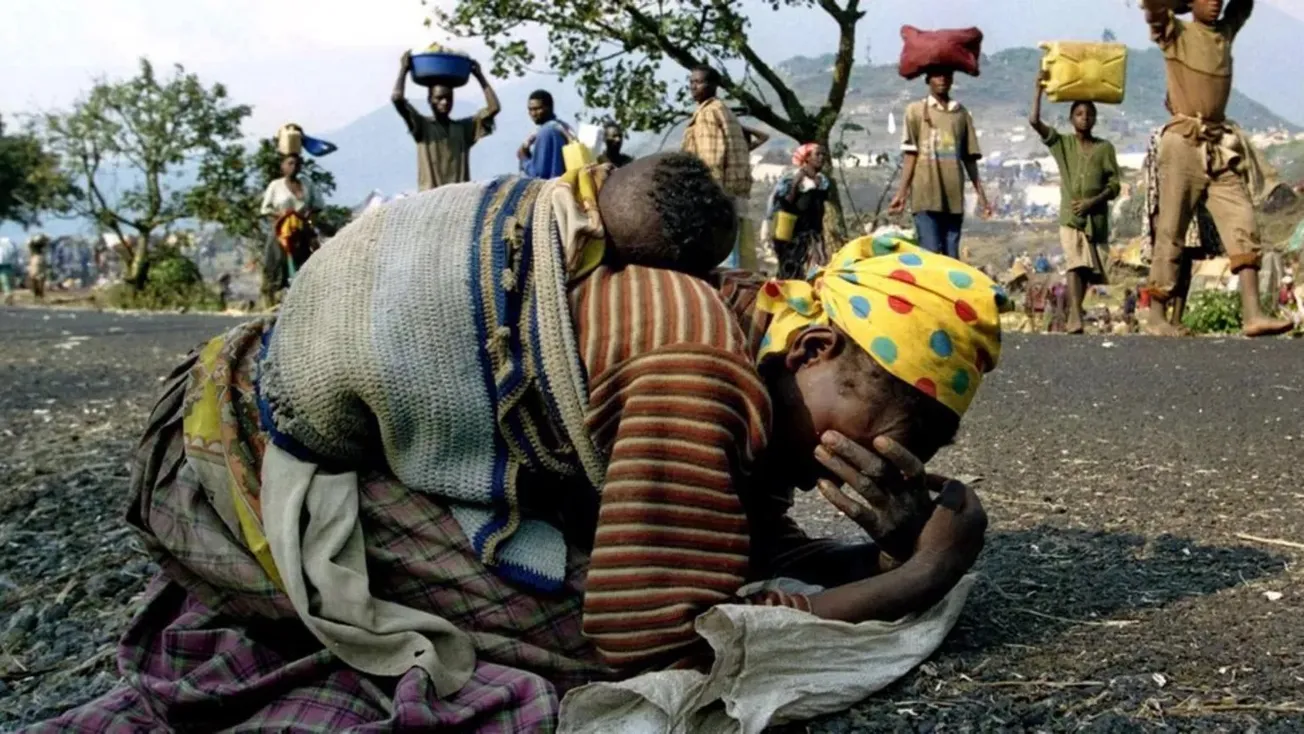
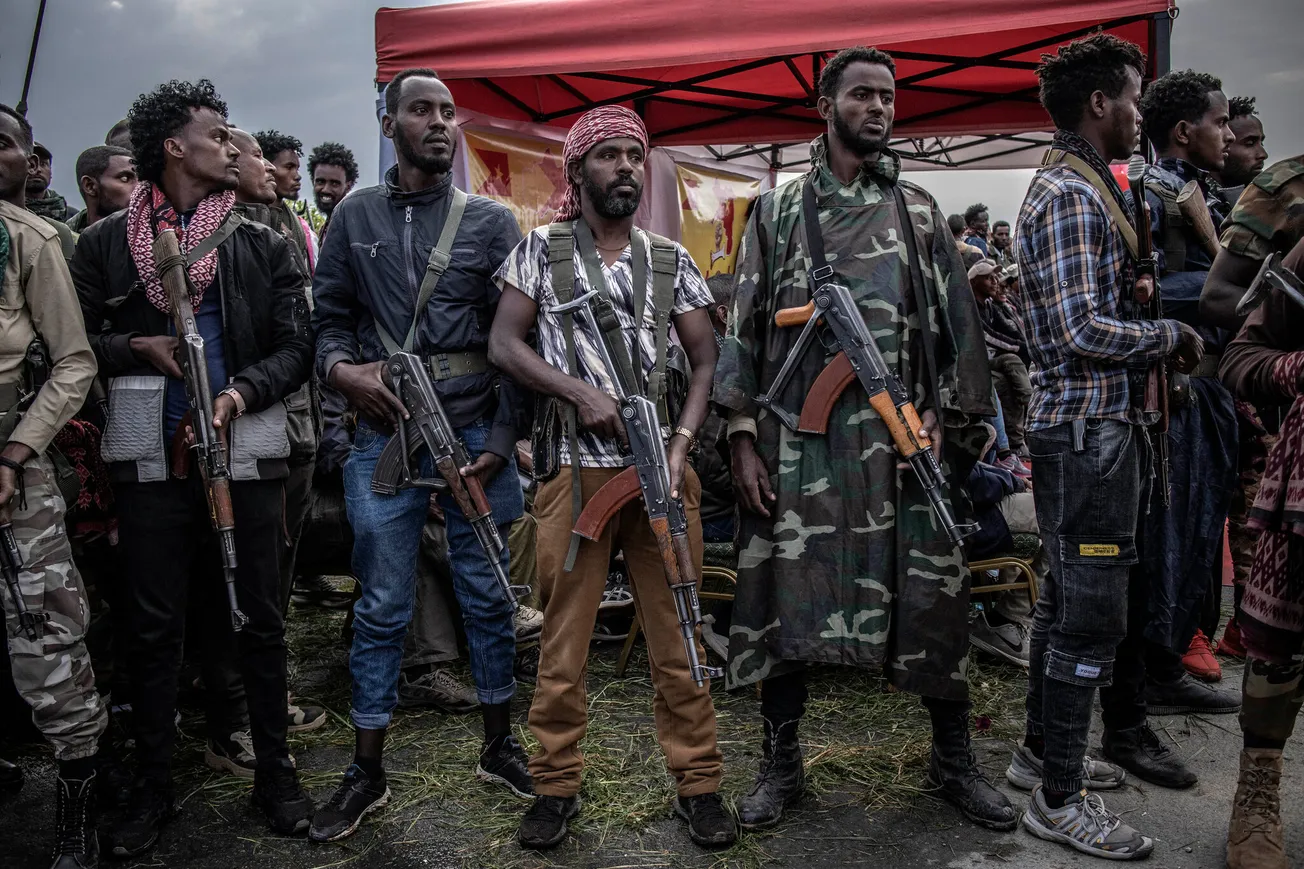
The Uganda People's Defence Forces (UPDF) are not sitting idle. For over two years, Ugandan soldiers have been deployed in the neighboring Democratic Republic of Congo (DRC) fighting armed rebel groups. That operation began without a clear public mandate and continues today without a defined end date, raising concerns over how military resources are being stretched across multiple continents.
3. Domestic security threats are actively hitting the capital
While preparing to deploy peacekeepers overseas, Kampala faces serious terror threats inside its own borders. Islamic State-linked sleeper cells have carried out suicide bombings inside the capital, targeting civilians and keeping security forces on high alert.
4. Opposition activists are vanishing from Kampala streets
The deployment comes during a tense political environment as Uganda moves through a heavily contested political cycle. Human rights groups and opposition parties have documented rising political abductions—including the June 2026 disappearance of National Unity Platform photographer Andrew Natumanya—leading international analysts to describe the country's governance as increasingly authoritarian.
5. Washington requests get fast-tracked while African Union missions wait
When Washington requested troops for the Gaza stabilization force, parliament approved the request in hours. Yet, the African Union's own Peace and Security Architecture—designed to handle crises in Sudan, the Sahel, and Mozambique—chronically struggles to secure troops and funding from member states. The speed of the Gaza approval proves that military deployment is often a matter of political priorities rather than logistical limits.
The Big Question: "On which side is our army going to fight?" asked MP Hassan Kirumira during parliament's debate, highlighting the diplomatic tightrope Uganda walks as a member of the Organisation of Islamic Cooperation.
6. Morocco set the precedent, but highlighted a continental trend
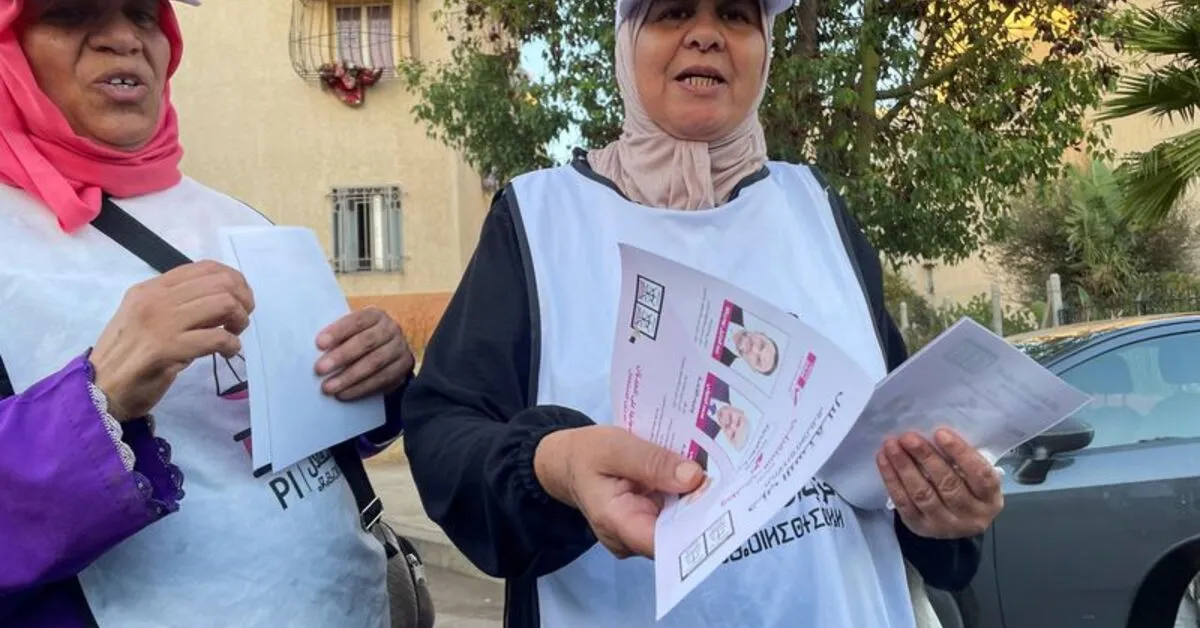
Uganda isn't the only African nation signing on; Morocco previously pledged forces to the same deployment. Both nations are sending troops abroad while managing unresolved territorial or regional conflicts close to home, proving how external diplomacy often takes center stage over local security needs.
7. Military capacity is a zero-sum game
African military forces are among the most experienced peacekeepers in the world, but capacity remains limited. Every trained battalion deployed to the Middle East is a unit unavailable for active conflict zones across the African continent, from the Horn of Africa to the Lake Chad Basin.

)