
Table of Contents
1. This isn't the Ebola you remember from textbooks
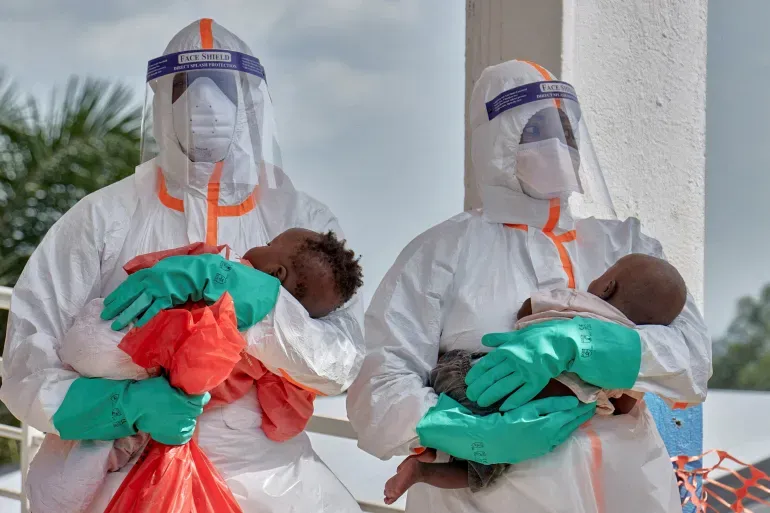
Forget what you think you know about past outbreaks. The strain ripping through the eastern Democratic Republic of the Congo right now is the Bundibugyo Ebola virus. Unlike the more common Zaire strain, there is NO licensed vaccine and NO targeted treatment for this one. Health teams are essentially fighting a forest fire with plastic water buckets.
2. The numbers are getting terrifying (and fast)
In just two months, the outbreak has exploded across five provinces, recording over 3,600 confirmed cases and 1,500+ deaths. To put that in perspective: last week alone saw nearly 600 new cases. It is officially the largest epidemic in Congo's history, and the World Health Organization just dropped the polite filter to say what everyone was thinking: it’s spiraling out of control.
3. Over 80% of new cases are "ghost infections"
Here’s the scariest part for epidemiologists: over 80% of new patients have no traceable link to previous cases. That means the virus is moving through populations entirely undetected. By the time someone shows up at a clinic, the virus has already moved three steps ahead.
4. Patients are literally fleeing isolation; but not for the reason you think
Why are people leaving treatment centers? Pure survival. Families in North Kivu are facing severe food shortages. When parents are forced to choose between staying in isolation or going out to find food, so their kids don't starve, they choose their kids every single time. Hunger is actively driving the virus across borders.
5. It’s exposing the dirty secret of "Aid Dependency"
Instead of pulling emergency cash from their own national budgets, many regional leaders treat public health disasters like a fundraising campaign. The playbook is always the same: wait for the crisis to peak, make dramatic appeals to Western donors, and let international charities foot the bill. Public health has become a business model instead of a basic state duty.
The Big Question: Why spend national revenues on permanent hospitals when you can just wait for international emergency aid to arrive?
6. The official stats you read online? Mostly made up.
This outbreak is proving an uncomfortable truth: much of the data we rely on regarding poverty, disease, and death in developing regions is built on guesswork. When 60% of deaths happen in rural villages without ever being logged by a doctor, official government health charts aren't facts, they're PR strategy.
7. Armed conflict is making contact tracing nearly impossible
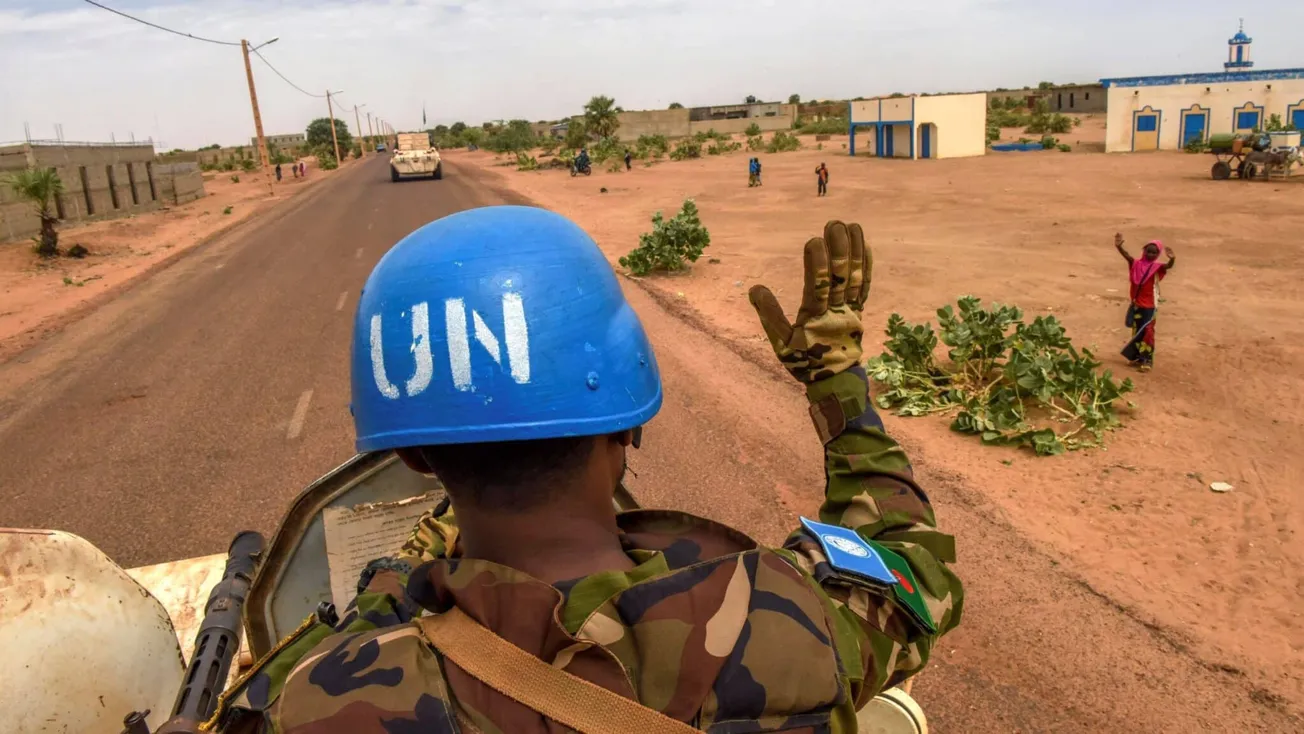
You can't trace contacts when active combat zones block the roads. Militia violence across eastern DRC means health workers are literally stepping into crossfire to deliver basic medical supplies. In many districts, medical teams simply cannot enter without armed escorts.
8. Border cities are on high alert
Ebola doesn't respect international borders. Major trading hubs along East and Central African transit corridors see thousands of traders, trucks, and commuters cross every single day. Without strict, coordinated regional health checkpoints, a single infected commuter could spark outbreaks in neighboring capitals overnight.
9. Local heroes are holding the line on zero budget
Despite the chaos, Congolese nurses, local youth groups, and village elders are stepping up. Unpaid community volunteers are building makeshift handwashing stations, broadcasting health warnings on local radio, and making sure burials are handled safely without breaking cultural traditions. They are saving lives in spite of system failures.
10. What needs to happen right now
Throwing money at the problem after it explodes isn't working anymore. Until African governments fund their own disease control agencies, build reliable health infrastructure, and stop relying on external emergency rescues, the continent will stay trapped in a loop of avoidable public health disasters.
The Bottom Line
This isn't just a Congolese emergency, it's a wake-up call for the entire continent. What do you think needs to change first? Let us know in the comments below!




)