Table of Contents
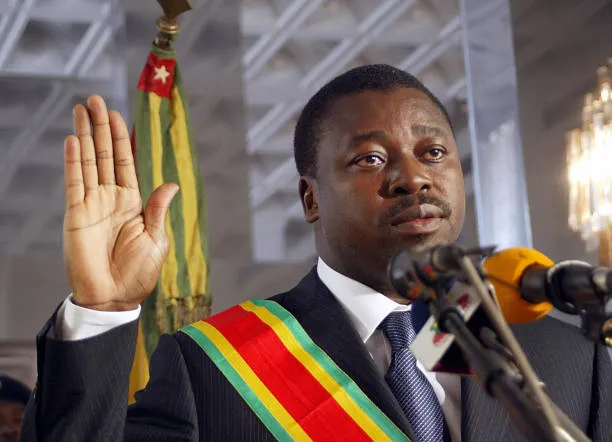
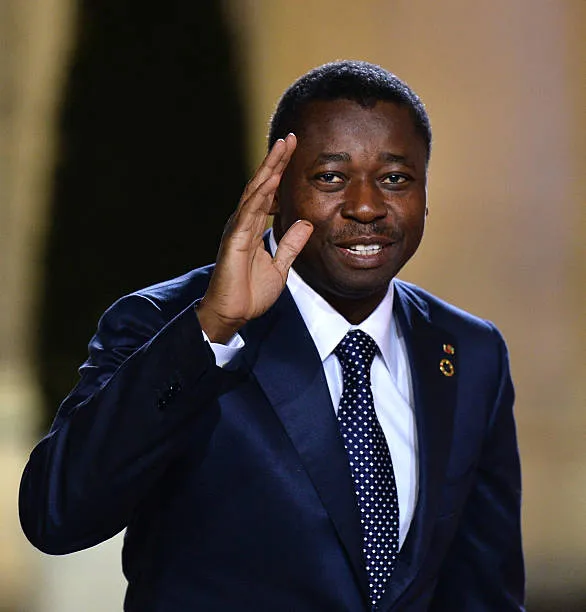
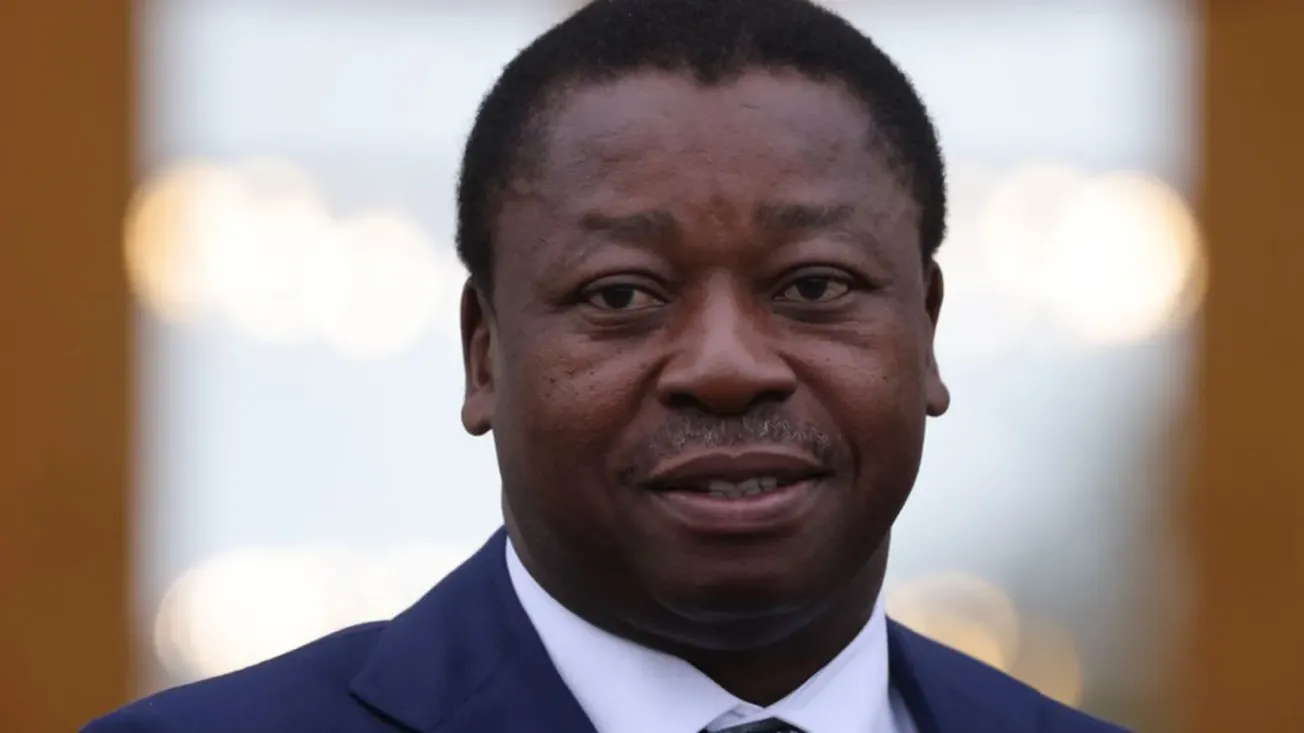
Lomé, Togo - The political climate in Togo is fraught with tension as opposition leaders vehemently oppose proposed constitutional changes, describing them as a strategic move by President Faure Gnassingbé to extend his family’s decades-long grip on power. The Gnassingbé dynasty has ruled Togo since 1967, with President Gnassingbé assuming office in 2005 following his father’s death.
The contentious reforms, approved by Togolese lawmakers last month, suggest a shift from a presidential to a parliamentary system. However, the opposition argues that this is merely a facade to maintain Gnassingbé in power. Under the proposed changes, while the presidency would become largely ceremonial, Gnassingbé would be eligible to remain in office until 2031, and subsequently assume a new role as the "president of the council of ministers," effectively the prime minister.
Supporters of the reform, including Human Rights Minister Yawa Djigbodi Tségan, assert that the changes aim to "improve democracy" by reducing presidential powers. However, opposition figures like Brigitte Kafui Johnson, leader of the CDPA party and a former presidential candidate, label the amendments a blatant "power grab."
Amid increasing public discontent, President Gnassingbé has paused the reforms for further consultation, despite pro-government lawmakers conducting nationwide campaigns to rally support. These discussions predominantly involve customary rulers and selected groups, yet have not led to any amendments to the proposal.
The political unrest is exacerbated by a palpable fear among the populace regarding the expression of dissenting opinions, especially given recent police crackdowns on anti-government protests. Last month, an opposition press conference rallying under the "Don't Touch My Constitution" banner was forcibly dispersed by authorities.
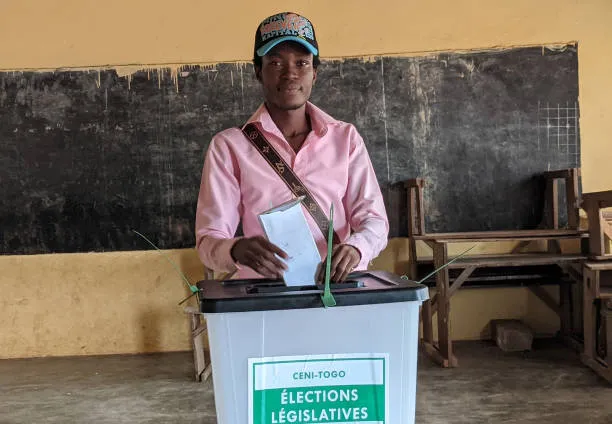
In a recent twist, the government postponed this month's parliamentary elections due to the unrest, only to reschedule them shortly thereafter for April 29. This decision has done little to quell the rising tensions.
Gerry Taama, head of the second-largest opposition party, the New Togolese Commitment, expressed his disappointment with the unfolding events, emphasizing the opposition’s resolve not to relent until the proposed changes are completely withdrawn. "We're not going to accept this, and we will fight against this constitution," Johnson affirmed, signaling a continued struggle in Togo's political arena.