
Top 10 African Countries with the Highest Prevalence of HIV/AIDS in 2025
Africa has made major strides against HIV/AIDS in 2025, with expanded awareness, prevention programs, and access to effective treatment.
On-the-ground intelligence on Africa's infrastructure, workforce, regulatory frameworks, and business climate for companies building and expanding across African markets.
Africa has made major strides against HIV/AIDS in 2025, with expanded awareness, prevention programs, and access to effective treatment.

Discover why WritePaper stands out as a trusted academic writing service. Read a real user review highlighting human writers, fast communication, fair pricing, and top-quality results.

Discover why PaperWriter stands out from AI tools. Read this honest review highlighting real writer collaboration, flexible support, and quality academic writing tailored to your needs.
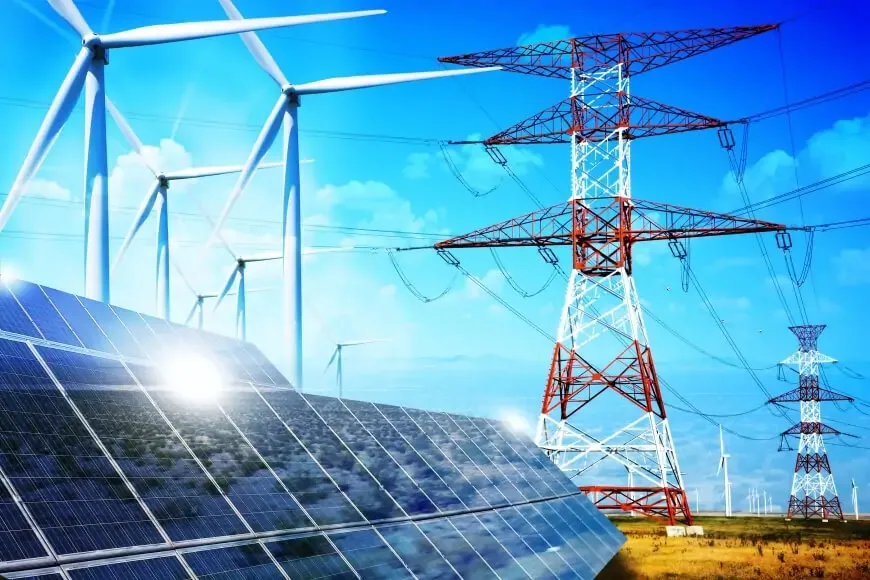
Africa's electricity generation capacity mirrors the African economy. South Africa's ongoing reliance on coal generation and Ghana's hydro generation are also examples of how leading electricity generators aim to expand access and derive regional economic development.

Globally, young people in Africa lead in good mental health with schools in Kenya introducing therapy desks, communities in Tanzania adopting healing rites, and students in Nigeria building safe spaces. Africa is raising a generation of young people healing loudly, not silently.

In 2025, African countries like Egypt and Morocco are now defining public education with tech-led reforms, digital exams, and skills-based curricula. In East and West Africa, Kenya and Ghana are prioritizing competency learning, while Tunisia and Algeria focus on stability.
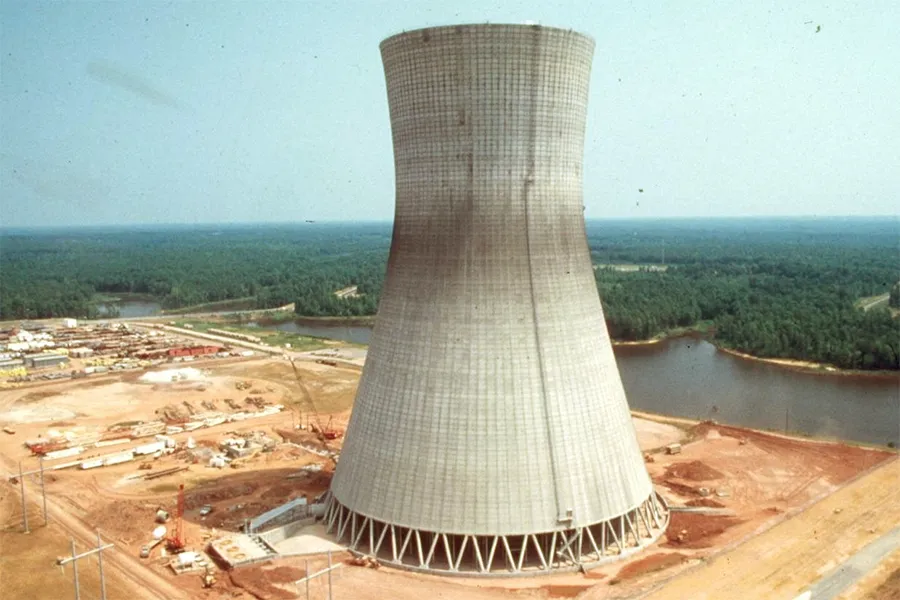
African countries increase their nuclear ambitions as the energy demand continues to rise. Egypt's $28B plant tops the list, while Rwanda explores the potential of microreactors. SMRs also start to take off as a solution for smaller grids to eventually gain energy independence over the long term.

Among the various avenues available, two emerge as essential for both individual career advancement and broader national progress: technical courses in Kenya and the highly desirable solar installer course in Kenya.

The strong push on self-reliance is driven by the decline in stable employment. This shift has led to the consistent growth in entrepreneurship, with countries like South Africa, Kenya, and Rwanda making significant progress in the global chart.
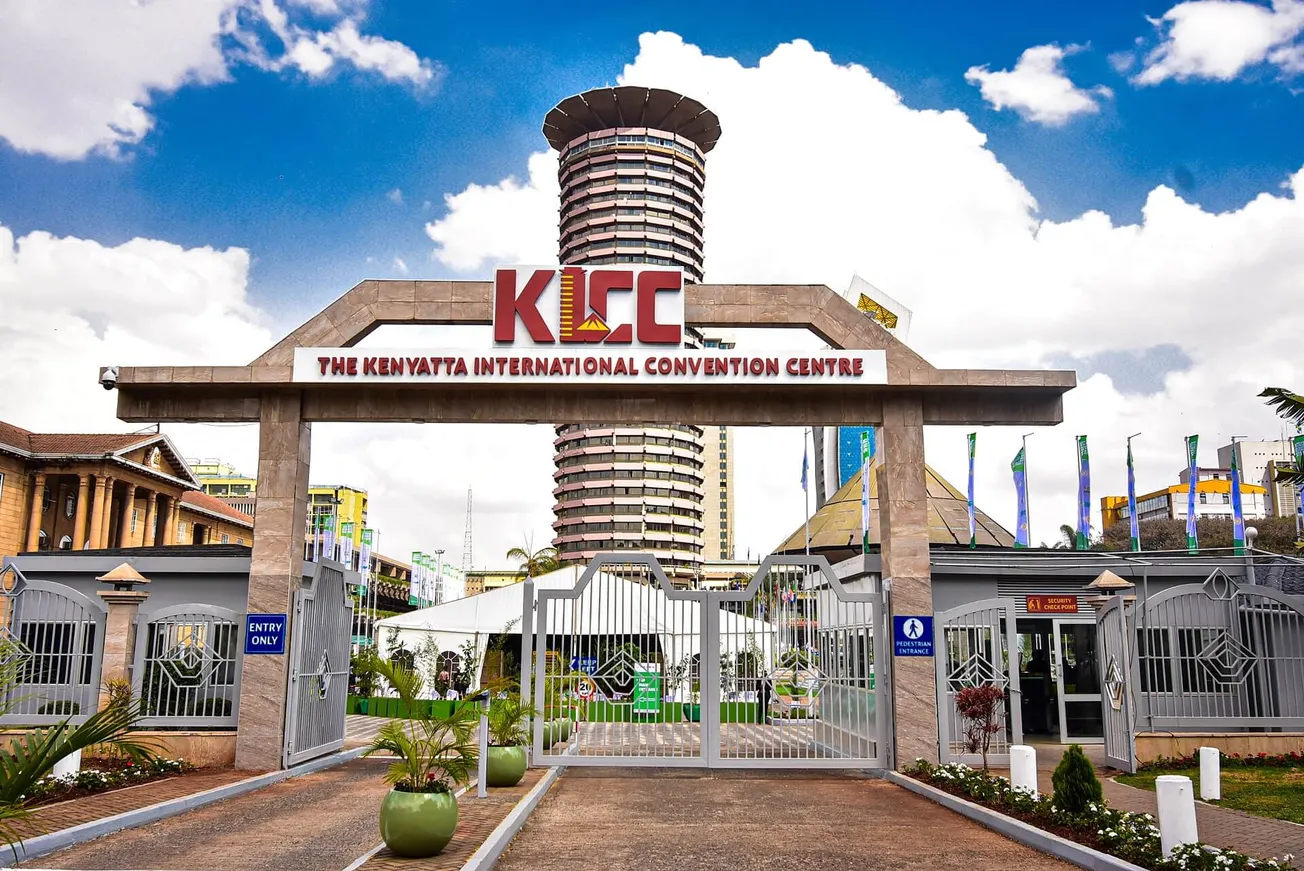
Top conference centers in Africa drive economic growth by promoting tourism, creating job opportunities across cities, and creating visa-on-arrival policies. Cities like Cape Town, Nairobi, and Kigali center drive urban development strategies, and airport expansion.

“Things get even worse if you get an unfavorable loan,” warns college admissions consultant from H&C Education Consulting. “Just having to worry about the long-term ramifications of getting a college loan can be extremely overwhelming.

An increasing number of African students are choosing U.S universities to access global networks, research-driven learning, and specialized programs. Countries like Kenya, Rwanda, and Ghana invest in international studies as a tool to strengthen strategic partnerships and global competitiveness.
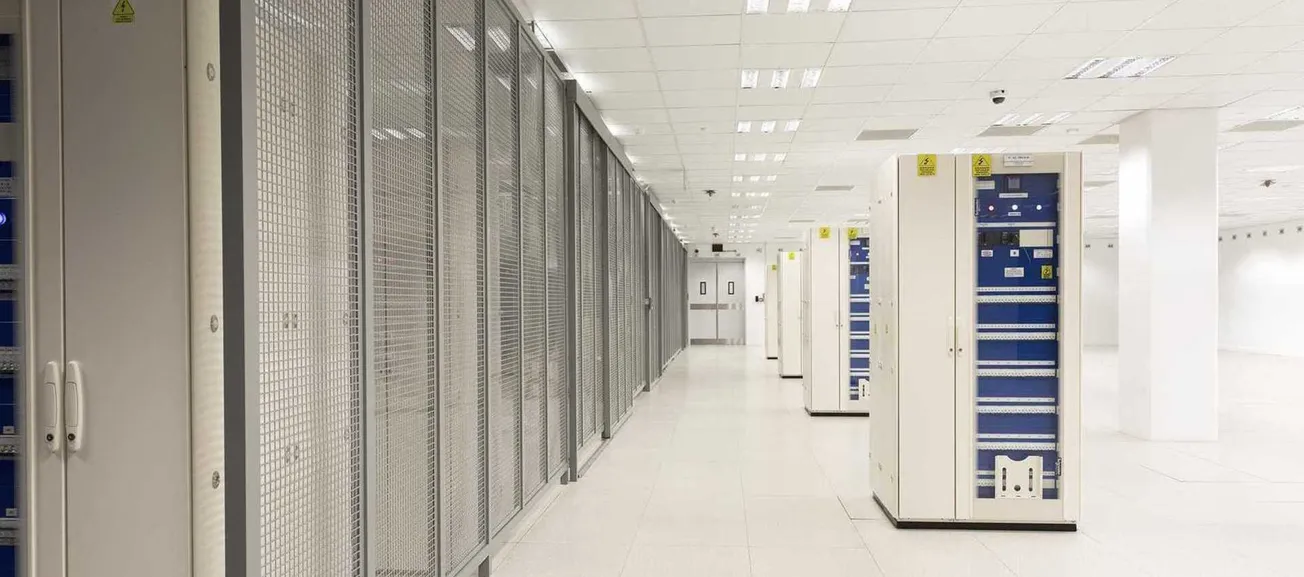
Many African countries now enjoy access to fast data through smart technologies and cloud services. They invest in homegrown data centers with global-grade infrastructure, powering services like health tech in Nairobi and banking apps in Lagos without relying on international partnerships.

In 2025, education-oriented policies, community learning, and language diversity prove to be a stable and more effective approach in African IQ rankings disregarding the old stereotypes. Mauritius, Libya, and Tunisia lead the continent with this approach, outperforming larger countries.
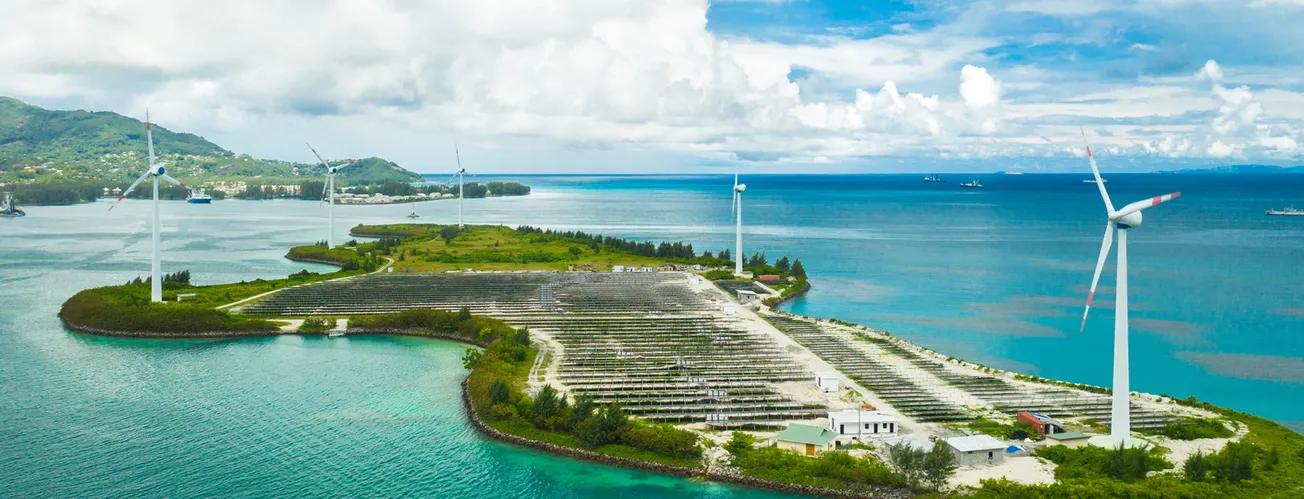
The mega ports in North Africa, the smart grid in island countries, and the new rail corridors in East Africa are not just examples of infrastructure but strategic tools. Africa's infrastructure is steadily developing globally, with the expansion of trade routes and energy becoming reliable.
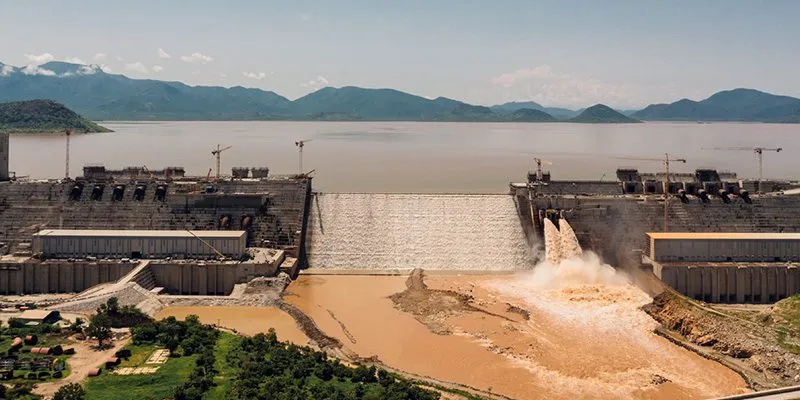
Africa's renewable electricity depends mostly on hydropower, which powers up to 60% of Africans' electricity. The East part of Africa is leading the chart while the West African countries are falling far behind. Ethiopia has three of the largest dams, leading the list, including the massive GERD.