The Numbers Don't Add Up
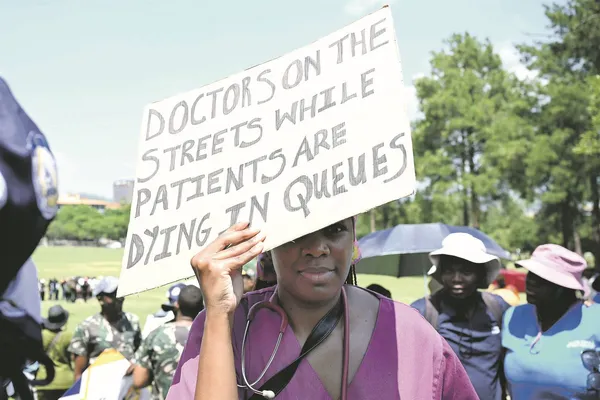
In 2026, the World Health Organization released data revealing a mind-boggling contradiction across 47 African countries. While clinics and hospital wards across the continent are visibly understaffed, qualified medical professionals cannot find work.
- 5.72 Million: Total active health workforce in the WHO African region (up from 4.3m in 2018).
- 943,000: Total number of trained health workers in the region who are currently unemployed.
- 325,000+: New health professionals graduating from African institutions every single year.
- 46%: Percentage of the region's total healthcare needs currently being met.
- 5.85 Million: The projected health worker shortfall by 2030.
The Real Problem Isn't Training; It's Funding
A nursing graduate in cities like Abuja or Lusaka isn't facing a lack of open hospital beds or patients. They are facing a shortage of funded posts.
Because indebted finance ministries and tight government budgets prioritize cutting recurring costs, public health systems cannot create permanent payroll positions. As a result, newly trained doctors and nurses are forced into unemployment or precarious temporary jobs while hospital wards remain dangerously short-staffed.
The "Red List" Loophole Fueling Brain Drain
In 2010, the WHO established safeguards to discourage wealthy countries from actively recruiting healthcare workers from vulnerable nations. The UK adopt these "red list" protections, yet international recruitment from these exact nations has exploded.
| UK Register Measure | 2020 Figure | 2024 Figure | Percent Increase |
| Nurses on UK Register (from Red List countries) | 11,386 | 32,543 | +186% |
| Annual New Joiners (from Red List countries) | 749 | 5,703 | +661% |
How it happens: While recruitment agencies are banned from actively targeting red-list countries like Nigeria and Ghana, individual health workers are fully allowed to apply independently. Faced with zero job prospects at home, nearly 46% of African health workers report plans to migrate abroad.
Nobody Actually Knows The Real Numbers
The crisis is compounded by massive data gaps. Health ministries across the continent frequently lack accurate counts of practicing versus migrated professionals.
- The Nigerian Example: Official estimates of practicing physicians vary wildly depending on the government body. Figures range from 30,000 practicing doctors to 55,000 practicing doctors out of over 130,000 registered names.
- Training Costs Lost: Training a single doctor in Sub-Saharan Africa costs governments anywhere between $21,000 to $58,700. When those professionals leave or remain unemployed, that investment is effectively lost.
Fixing The System: Is It Speech Rights or Systemic Neglect?
Is the healthcare crisis purely an issue of foreign brain drain, or is domestic financial mismanagement to blame?
1. The Case for External Exploitation: Western healthcare systems save billions of dollars by importing fully trained African professionals without contributing to their training costs. Ethical recruitment codes rely on voluntary compliance and contain legal loopholes that leave developing health systems stripped of their talent.
2. The Case for Domestic System Failure: African nations are now producing graduates at record rates, yet local finance ministries refuse to allocate the necessary funds for payroll. Expecting health workers to remain unemployed or underpaid out of patriotism is unfeasible when global demand offers functional working conditions elsewhere.
Why It Matters
The WHO estimates that closing the employment gap would require just $4 per person per year in additional healthcare spending, a 15% increase in annual health workforce budgets. Until African governments prioritize funding public healthcare payrolls, nearly a million trained medical professionals will remain idle while millions of citizens go without care.