

Africa Crypto Adoption: Trends, Risks, and Opportunities
The focus has mostly been on crypto volatility, but the African users are not using stablecoins and decentralized platforms to speculate, they are using them.
Africa investment analysis, market sizing, capital flows, sovereign debt tracking, and political economy risk assessments for institutional investors and corporate development teams.
The focus has mostly been on crypto volatility, but the African users are not using stablecoins and decentralized platforms to speculate, they are using them.

In 2025, Africa’s democratic outlook is influenced by electoral reforms, rising voter engagement, and legal safeguards. Some African countries achieve peaceful transitions to strengthen their civic institutions, while some use active judicial checks to counterbalance executive influence.

Accounting firms are critical to Africa’s financial integrity, supporting transparency, compliance, and investment. As economies expand, top firms are driving digital transformation, ESG compliance, and public sector reforms that shape sustainable growth.

Rice has become a vital staple food to Africa’s food security and economy, supporting over 35 million smallholder farmers and feeding hundreds of millions. As demand soars, boosting local production reduces import bills, creates jobs, and strengthens rural livelihoods.
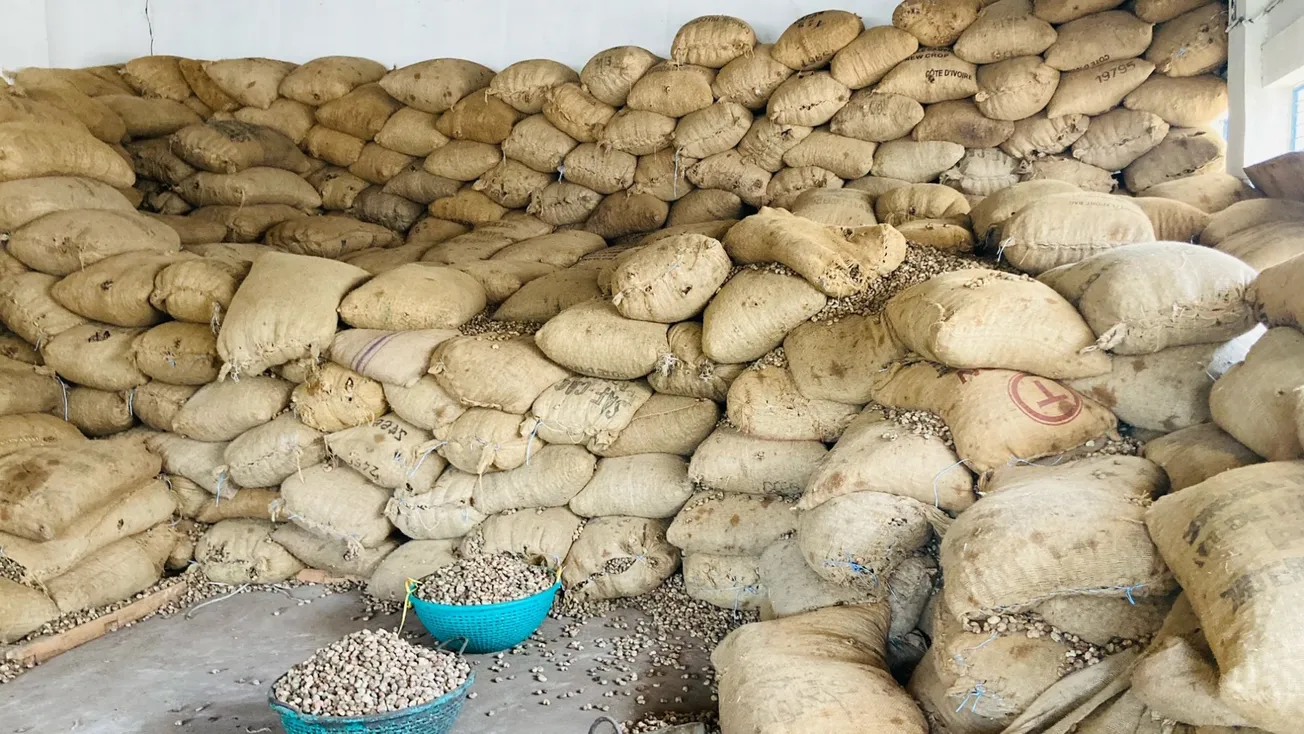
Cashew production has become a vital economic driver in Africa, supporting millions of smallholder farmers, boosting exports, and offering a path to agro-industrial growth through local processing and value addition across key producing nations.
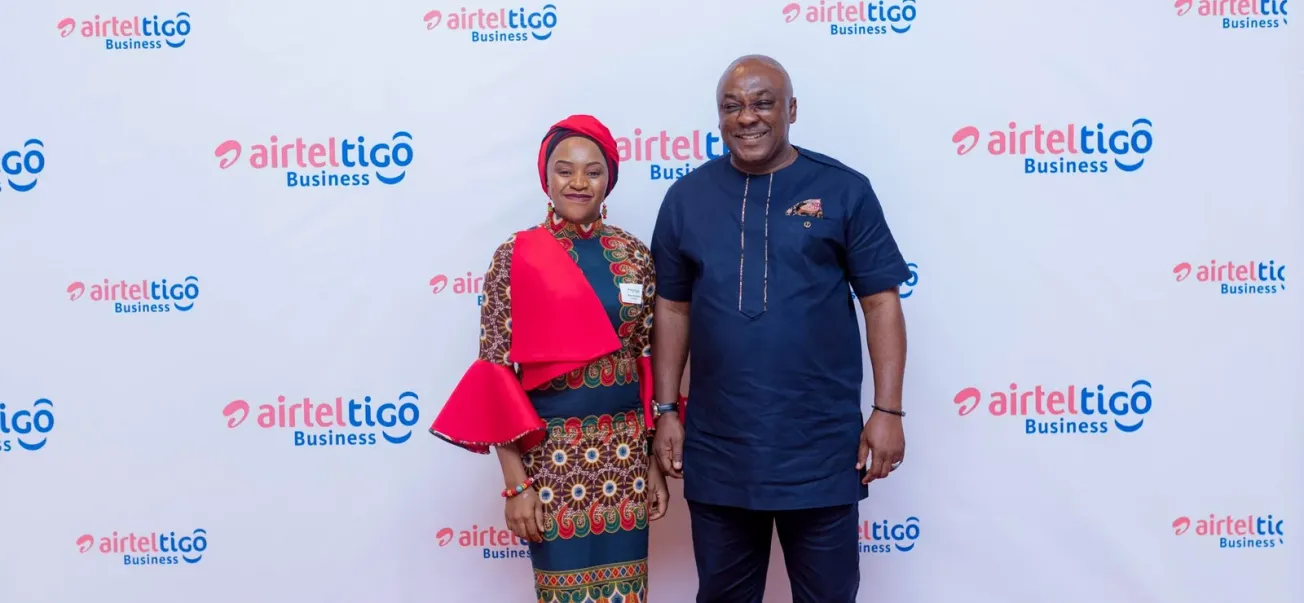
Market Exit Ratesshows the importance of sound economic policy, consistent governance, and investor protection. African countries hoping to retain and attract long-term investment must act swiftly to address structural bottlenecks or risk deeper economic setbacks.

Wars in Africa have disrupted daily life in the affected regions. Hospitals struggle to operate, Schools remain closed and most communities have been displaced. For some countries like the northern Burkina Faso and eastern DRC, Wars have changed the state of living, altering their normal life.

Smart city projects are vital to Africa’s urban future, offering innovative solutions to challenges like overcrowding, inefficient infrastructure, and limited public services. By integrating data and design, these cities improve mobility, security, energy access, and economic opportunities.

While there are many moving parts to all of this, ensuring privacy for consumers is a major step in the right direction. This is because, as many experts suggest, offering more privacy can be a way to supercharge the African financial space.

Domestic investor participation is crucial for Africa's economic resilience, as it strengthens financial independence, deepens capital markets, and ensures sustainable, locally driven growth.
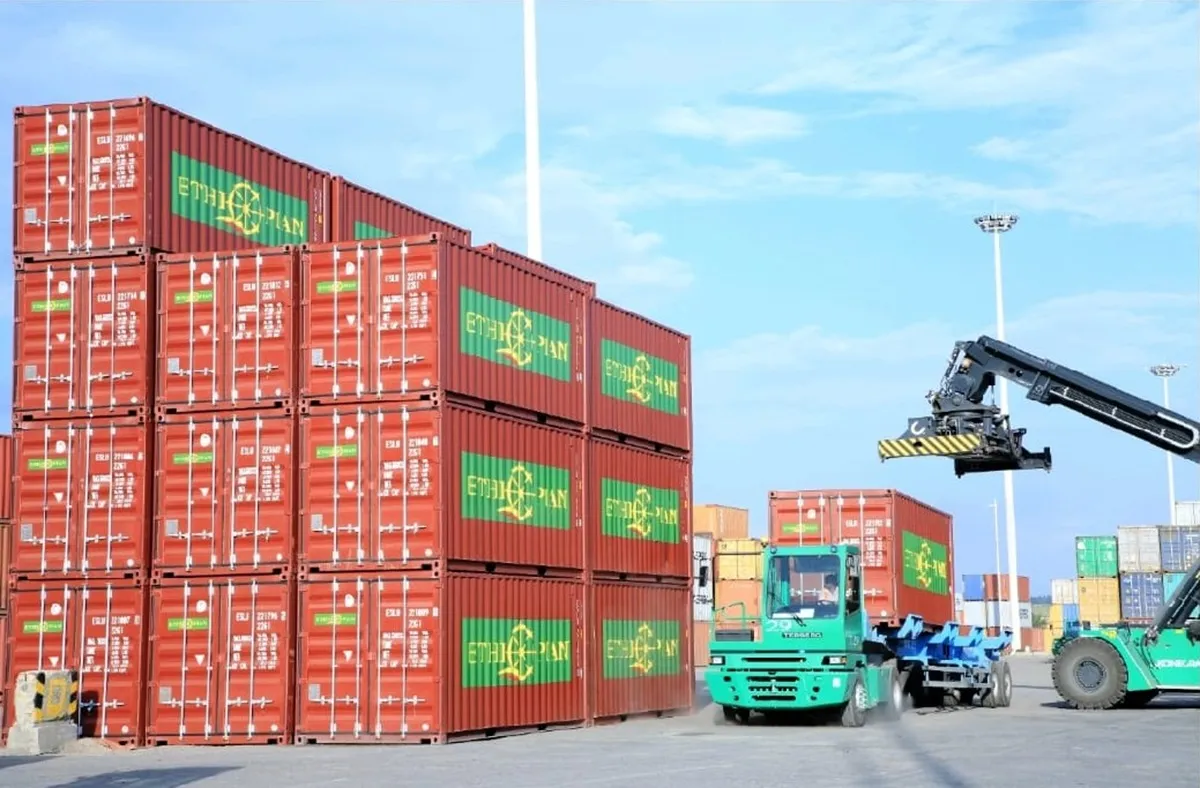
Africa’s transportation ecosystem in 2025 is no longer one of limitations, but of possibility. The success of transportation companies in Africa reflects a future of connected commerce, inclusive mobility, and homegrown innovation poised to transform the continent’s economic landscape.

Whether you're new to it or simply looking to make a more informed purchase, knowing how red and green strains differ can help guide your selection.

Just the reels or the cards and that quiet, patient tension online platforms like jackpotcity are so good at creating.

Through digitally transformed public sectors, Africa has streamlined service delivery, reduced fraud, and expanded access for millions. The result is a more accountable, data-driven public sector that position Africa as a global leader in digital governance.

In 2025, most African countries no longer operate a one-party system. A multi-party system effectively controls the distribution of power making sure power is earned through real consensus. Countries like Liberia, and Morocco demonstrate how political diversity can exist with electoral credibility.
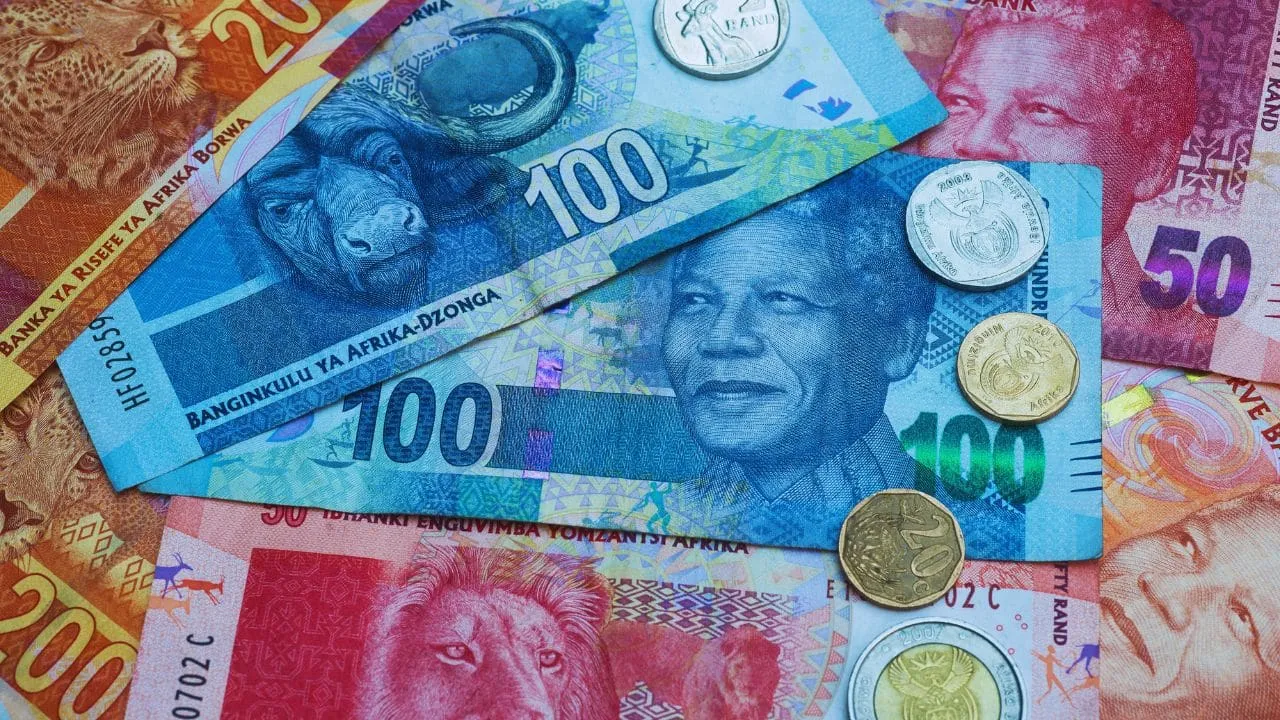
Volatile currencies drive up food and fuel prices, erode public trust, and scare off investors. They often remain a significant barrier to economic stability, making planning more challenging for individuals and businesses, and threatening long-term growth across the continent.