Table of Contents
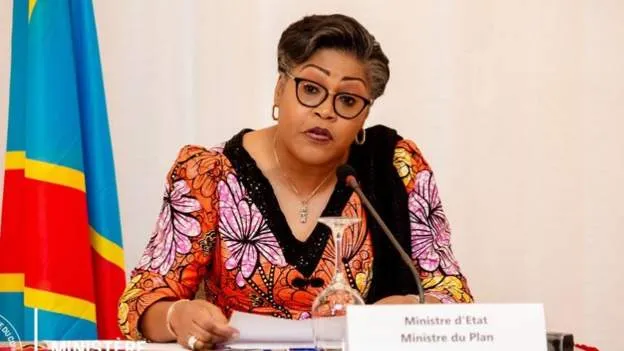
Kinshasha-DRC (TAE)-In a historic move, Judith Suminwa Tuluka has been appointed as the Democratic Republic of Congo's first-ever female Prime Minister, marking a significant milestone in the country's political landscape. Appointed by President Félix Tshisekedi, Tuluka, a seasoned politician and former Planning Minister, steps into the role with a vision to tackle the nation's vast challenges with collective support and determination.
Breaking Barriers and Setting Precedents
Tuluka's appointment is not just a win for gender equality but also a testament to her remarkable career and dedication to public service. Succeeding Sama Lukonde, who resigned in February, she now stands at the forefront of Congo's political arena, ready to steer the country towards progress and stability. "The task is great and the challenges [are] immense, but with the support of the president and that of everyone, we will get there," Tuluka confidently stated during a press conference following her nomination.
Securing the Majority and Preparing for Governance
This groundbreaking appointment follows a rigorous search for a majority coalition within the National Assembly, a critical step that precedes the naming of a Prime Minister and the formation of a new government. The Union for Democracy and Social Progress, Tuluka's party, emerged victorious, securing the majority against 44 other parties, paving the way for her leadership.
A New Cabinet on the Horizon
As Prime Minister, Tuluka heads the government, encompassing both ministers and deputy ministers. She is expected to announce a new cabinet in the coming weeks, which will play a pivotal role in implementing her vision for the Democratic Republic of Congo. Her leadership arrives at a crucial time as the country navigates through complex social, economic, and political challenges.
A Beacon of Hope and Progress
Judith Suminwa Tuluka's historic appointment is seen as a beacon of hope for many, symbolizing a progressive shift towards inclusivity and diversity in leadership. Her message is clear: with collective support and determination, the Democratic Republic of Congo can overcome its immense challenges and pave the way for a brighter future.
As the country eagerly anticipates the announcement of the new cabinet, the international community watches closely, hopeful that this new chapter will bring about significant positive change in the Democratic Republic of Congo. Tuluka's leadership is not just a victory for women but for all Congolese, representing a step forward in the quest for equality, democracy, and social progress.
For more updates on this developing story, stay tuned to our website.