Table of Contents
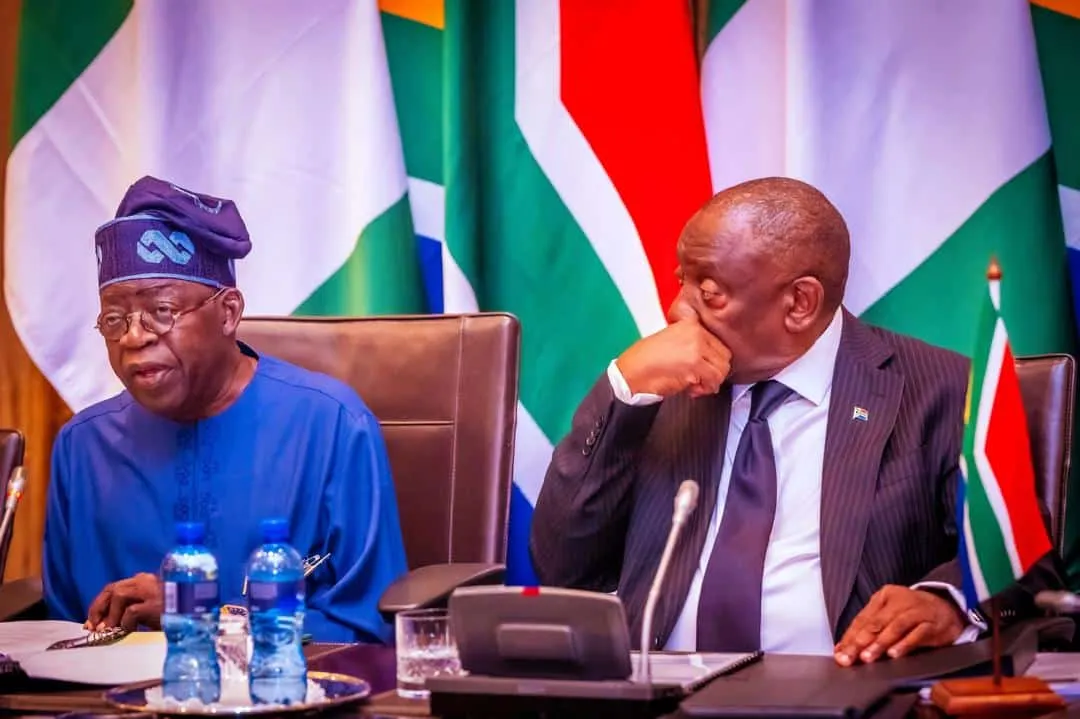
HARARE, Zimbabwe – In a sober announcement made on Wednesday, April 3, President Emmerson Mnangagwa declared a state of disaster in Zimbabwe in response to a catastrophic drought affecting much of southern Africa. The drought, the worst in decades, has prompted urgent calls for $2 billion in humanitarian aid to address the crisis.
"Due to the El Nino-induced drought, more than 80% of our country received below normal rainfall," President Mnangagwa stated, emphasizing the nation's dire situation. He further pledged that "securing food for all Zimbabweans" remains the government's top priority, vowing that no citizen would "succumb to, or die from hunger."
The appeal for assistance was directed towards United Nations agencies, local businesses, and faith organizations, highlighting a collective effort to mitigate the devastating impact of the drought. This move follows similar declarations by the governments of neighboring Zambia and Malawi, underscoring the regional magnitude of the crisis.
El Nino, a climate phenomenon that periodically warms parts of the Pacific Ocean, has long been associated with varying global weather effects. In southern Africa, it typically results in reduced rainfall, but the current drought has surpassed previous records in its severity.
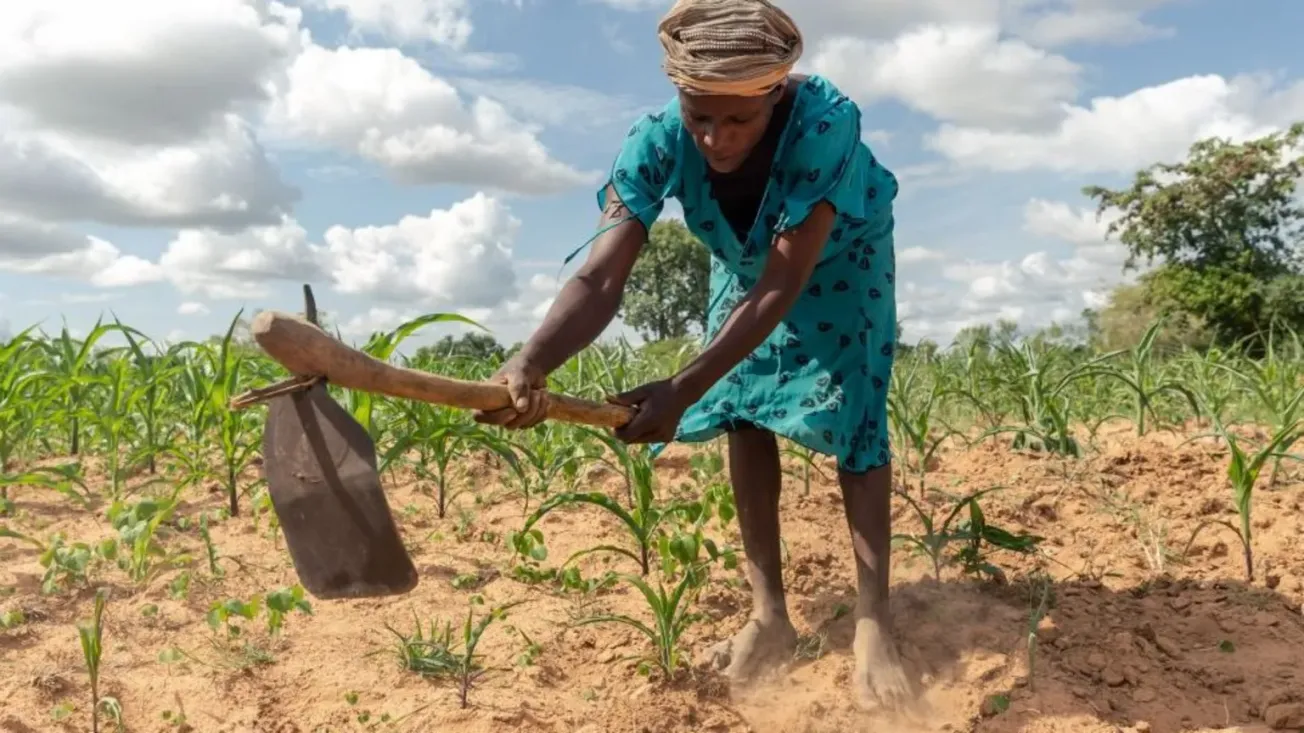
The crisis poses a significant threat to over 60% of Zimbabwe's population, who reside in rural areas and depend on agriculture for their livelihood. The lack of rainfall has not only diminished food production but also limited the ability of families to engage in the cash economy, making it challenging to purchase food even when available.
The United Nations’ World Food Program has initiated a food assistance campaign, aiming to support 2.7 million Zimbabweans, nearly 20% of the country’s population, from January to March. Despite these efforts, the situation remains dire, with the country facing a substantial deficit in grain supply.
"Once a regional agricultural powerhouse and grain exporter, Zimbabwe has increasingly relied on aid agencies to avert mass hunger caused by extreme weather conditions," President Mnangagwa remarked. He noted that the country anticipates a harvest of 868,273 metric tonnes this season, leaving a shortfall of nearly 680,000 metric tonnes of grain to be covered through imports.
The declaration of a state of disaster was anticipated, following the lead of Zambia and Malawi, as they too grapple with the consequences of El Nino-linked drought. The international community watches closely as these nations strive to combat the impacts of climate change and secure the well-being of their populations.