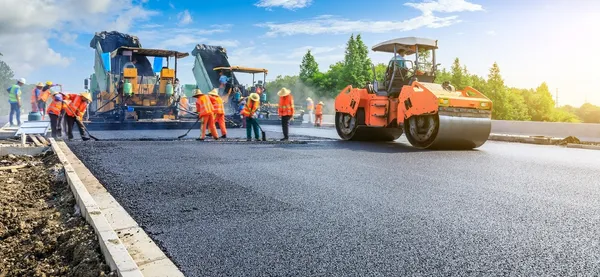
Recent logistics datasets tracking continental transport infrastructure highlight the top ten African countries boasting the largest total roadway coverage. South Africa commands the number one spot by a massive margin, followed by regional giants like Nigeria, Ethiopia, and Kenya. While these expansive networks theoretically link major economic hubs, the sheer mileage often masks deep disparities in maintenance, safety, and rural connectivity.
10. South Sudan (Total Coverage: ~90,200 km | Global Rank: 57th)
Although a vast majority of the network remains unpaved and vulnerable to seasonal rains, ongoing infrastructure efforts steadily improve basic mobility across the world's youngest nation.
9. Zimbabwe (Total Coverage: ~97,267 km | Global Rank: 51st)
Serving as a critical southern trade nexus, Zimbabwe maintains a legacy highway grid linking major metropolitan centers directly to regional export corridors.
8. Algeria (Total Coverage: ~112,696 km | Global Rank: 47th)
Anchored by one of North Africa's most advanced high-speed motorway systems, Algeria heavily facilitates domestic trade, industrial transport, and efficient trans-Saharan connectivity.
7. Mali (Total Coverage: ~139,107 km | Global Rank: 38th)
Sprawling across West Africa's Sahelian interior, Mali utilizes an extensive arterial layout to move agricultural commodities toward urban centers despite continuous security hurdles and seasonal degradation.
6. Tanzania (Total Coverage: ~145,203 km | Global Rank: 36th)
Strategic highway developments bind major commercial cities, thriving tourism zones, and vital international trade corridors together, reinforcing Tanzania's position as a lifeline for landlocked neighbors.
5. Democratic Republic of the Congo (Total Coverage: ~152,373 km | Global Rank: 34th)
Despite battling severe tropical terrains, vast geographic scales, and chronic underfunding, the DRC retains a massive nominal roadway footprint that remains desperately dependent on comprehensive structural rehabilitation.
4. Kenya (Total Coverage: ~161,452 km | Global Rank: 32nd)
Connecting bustling economic hubs like Nairobi straight to the Port of Mombasa and neighboring landlocked borders, Kenya continues to cement its status as East Africa's central transit gateway.
3. Ethiopia (Total Coverage: ~180,000 km | Global Rank: 30th)
Aggressive multi-decade investments in highway expansions and rural feeder routes have transformed the nation's transit grid, directly linking isolated agrarian production zones with expanding urban markets.
2. Nigeria (Total Coverage: ~195,000 km | Global Rank: 28th)
Spanning across thirty-six states and the Federal Capital Territory, West Africa's largest road system acts as the primary economic artery for massive commercial goods, agricultural distribution, and daily passenger transit.
1. South Africa (Total Coverage: ~750,000 km | Global Rank: 11th)
Anchored by world-class national highways, municipal routes, and sophisticated provincial corridors, South Africa maintains an unmatched transport framework that seamlessly connects major industrial centers, mining zones, and international ports.