

Top 10 Largest Cyber-Attacks in Africa 2025
Africa faced record-breaking cyber-attacks in 2025, but behind the disruptions are lessons, reforms, and resilience shaping the continent’s digital future.
Infrastructure, institutions, and the systems that make growth possible — or not.
Africa faced record-breaking cyber-attacks in 2025, but behind the disruptions are lessons, reforms, and resilience shaping the continent’s digital future.
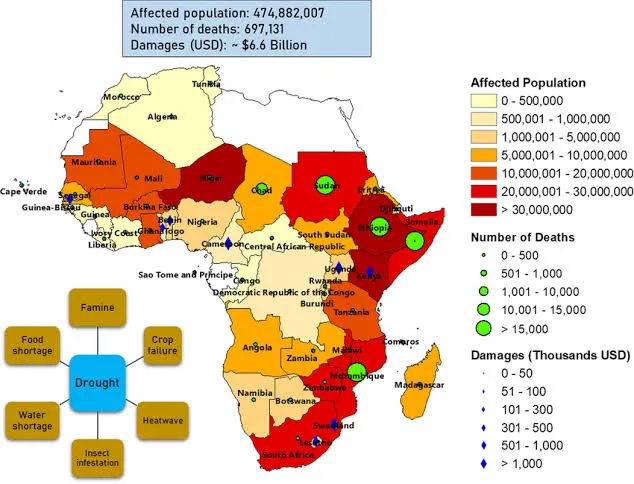
Drought in Africa’s 2025 landscape reveals not only the challenges but also how nations are adapting with innovation, resilience, and, long-term solutions.
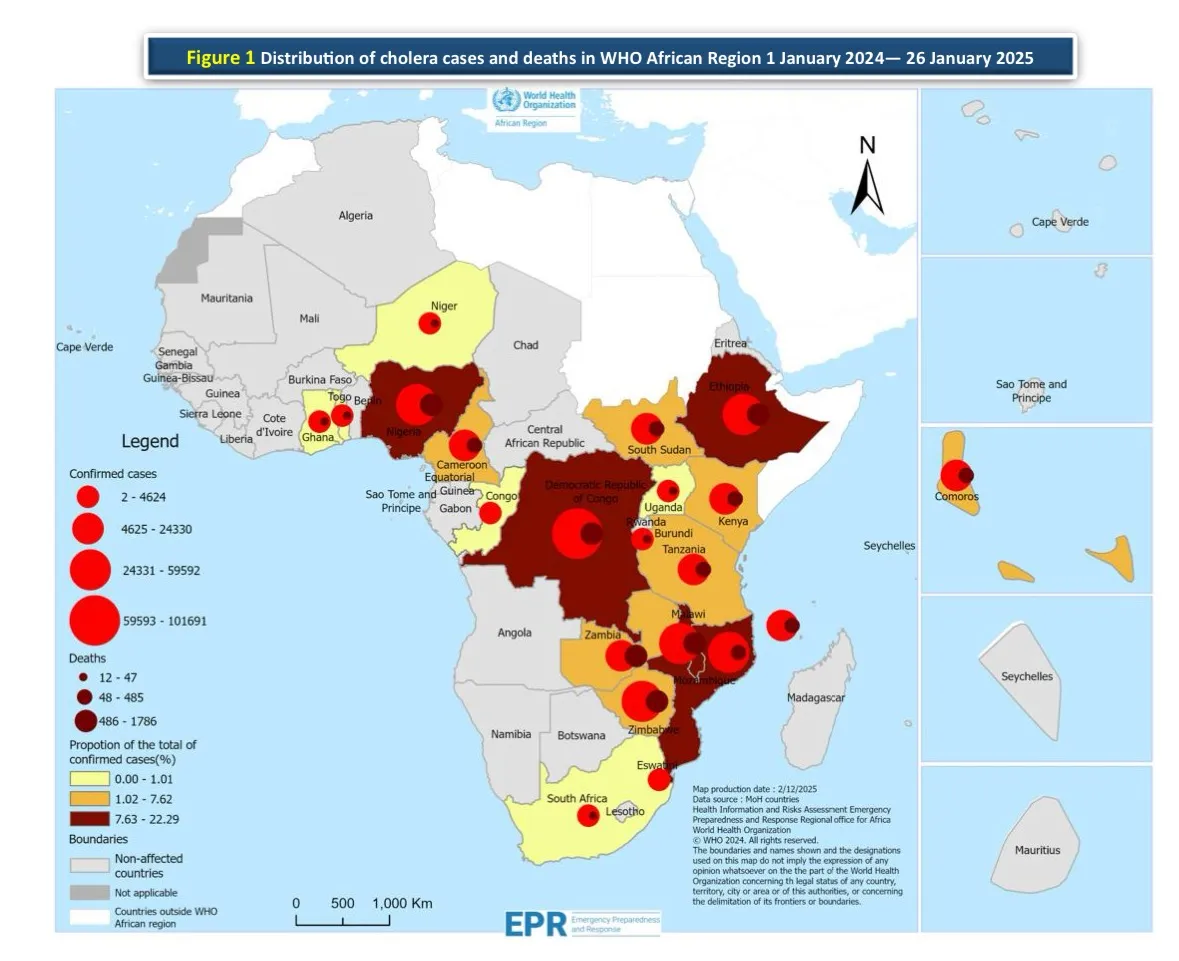
As of early 2025, several African countries still face cholera outbreaks, but stronger vaccination, surveillance, and water access have improved response efforts.

Africa has made major strides against HIV/AIDS in 2025, with expanded awareness, prevention programs, and access to effective treatment.
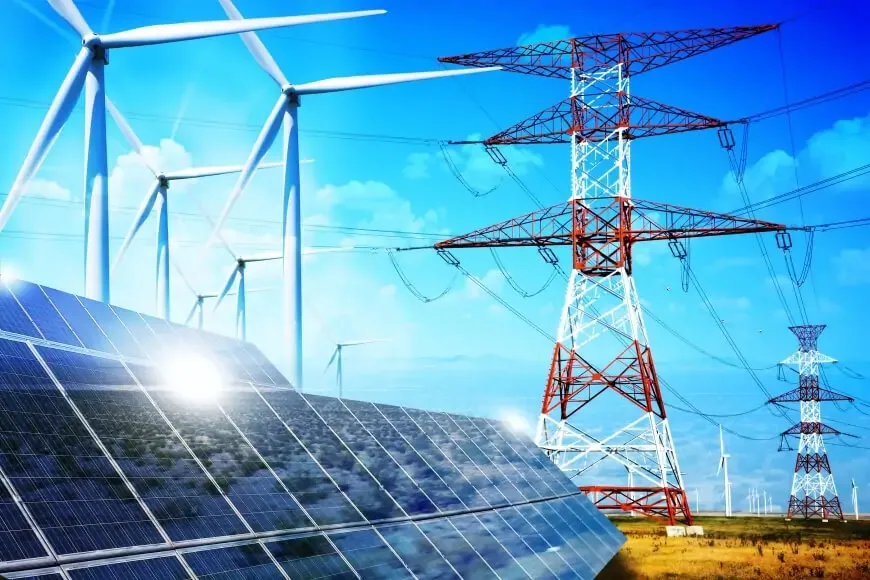
Africa's electricity generation capacity mirrors the African economy. South Africa's ongoing reliance on coal generation and Ghana's hydro generation are also examples of how leading electricity generators aim to expand access and derive regional economic development.

Globally, young people in Africa lead in good mental health with schools in Kenya introducing therapy desks, communities in Tanzania adopting healing rites, and students in Nigeria building safe spaces. Africa is raising a generation of young people healing loudly, not silently.

In 2025, African countries like Egypt and Morocco are now defining public education with tech-led reforms, digital exams, and skills-based curricula. In East and West Africa, Kenya and Ghana are prioritizing competency learning, while Tunisia and Algeria focus on stability.

African countries increase their nuclear ambitions as the energy demand continues to rise. Egypt's $28B plant tops the list, while Rwanda explores the potential of microreactors. SMRs also start to take off as a solution for smaller grids to eventually gain energy independence over the long term.
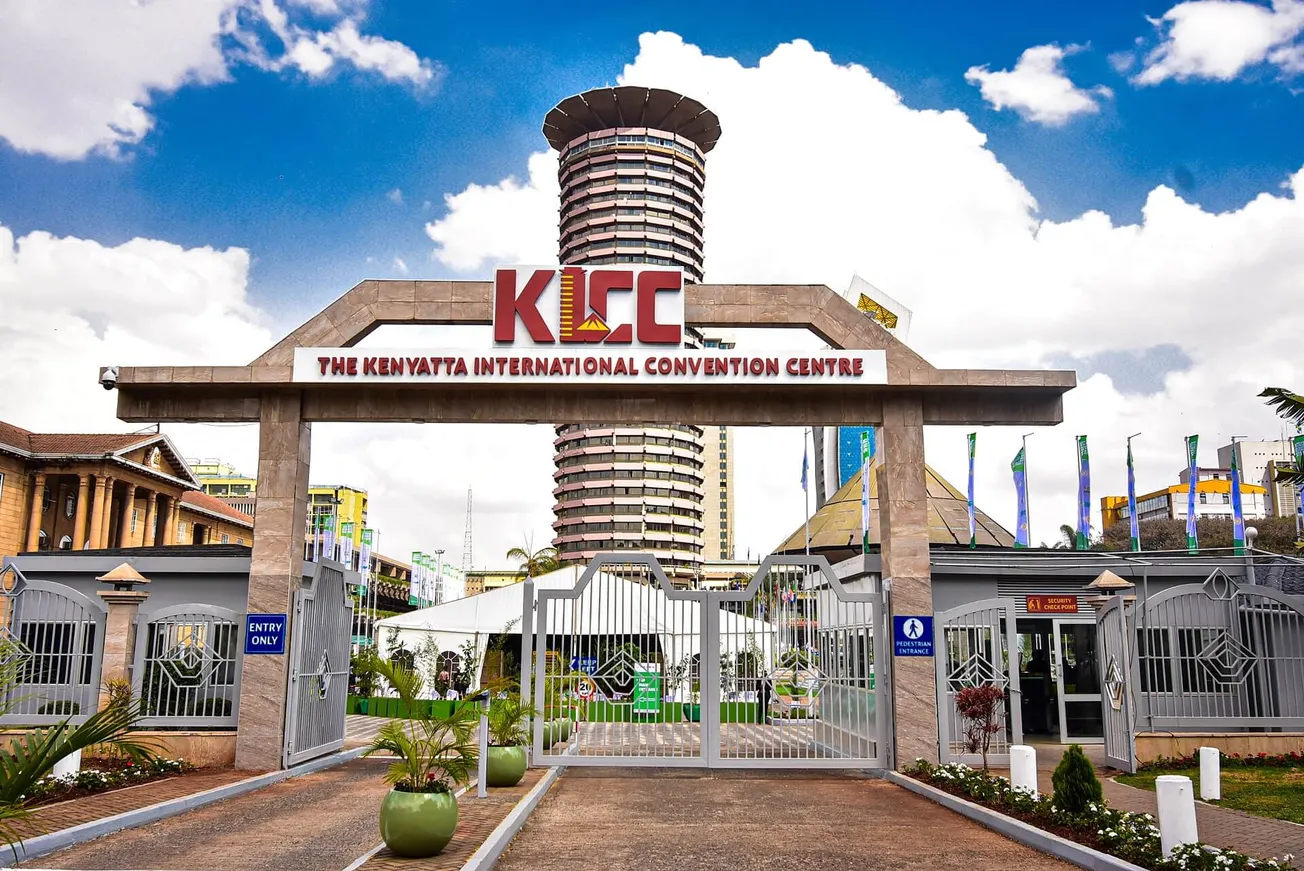
Top conference centers in Africa drive economic growth by promoting tourism, creating job opportunities across cities, and creating visa-on-arrival policies. Cities like Cape Town, Nairobi, and Kigali center drive urban development strategies, and airport expansion.

An increasing number of African students are choosing U.S universities to access global networks, research-driven learning, and specialized programs. Countries like Kenya, Rwanda, and Ghana invest in international studies as a tool to strengthen strategic partnerships and global competitiveness.
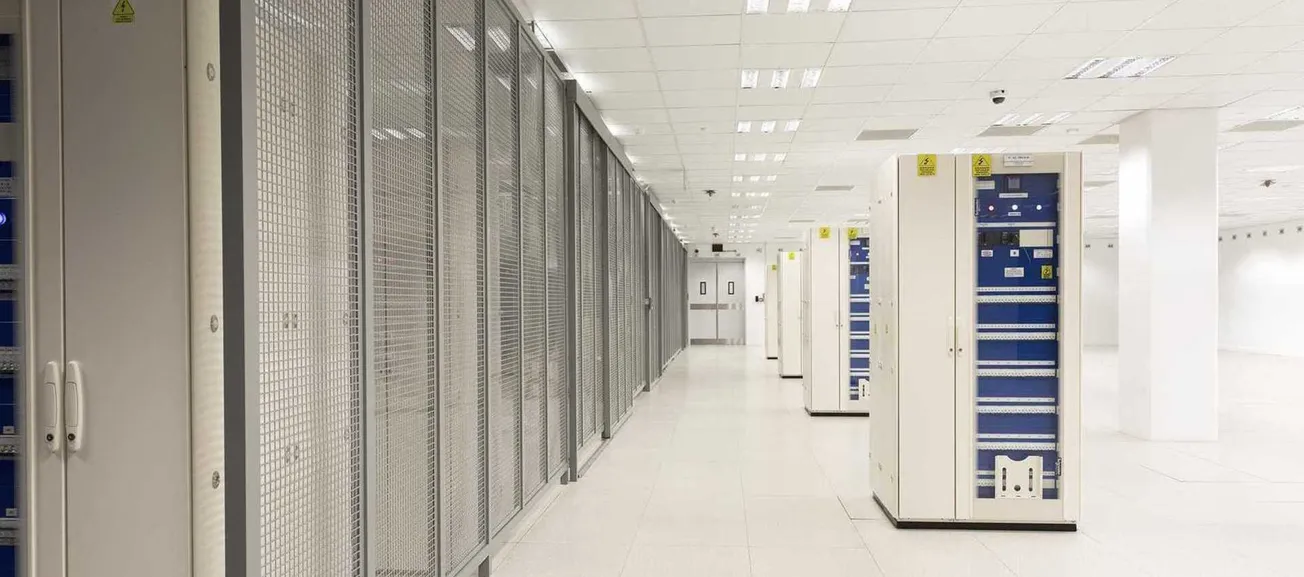
Many African countries now enjoy access to fast data through smart technologies and cloud services. They invest in homegrown data centers with global-grade infrastructure, powering services like health tech in Nairobi and banking apps in Lagos without relying on international partnerships.
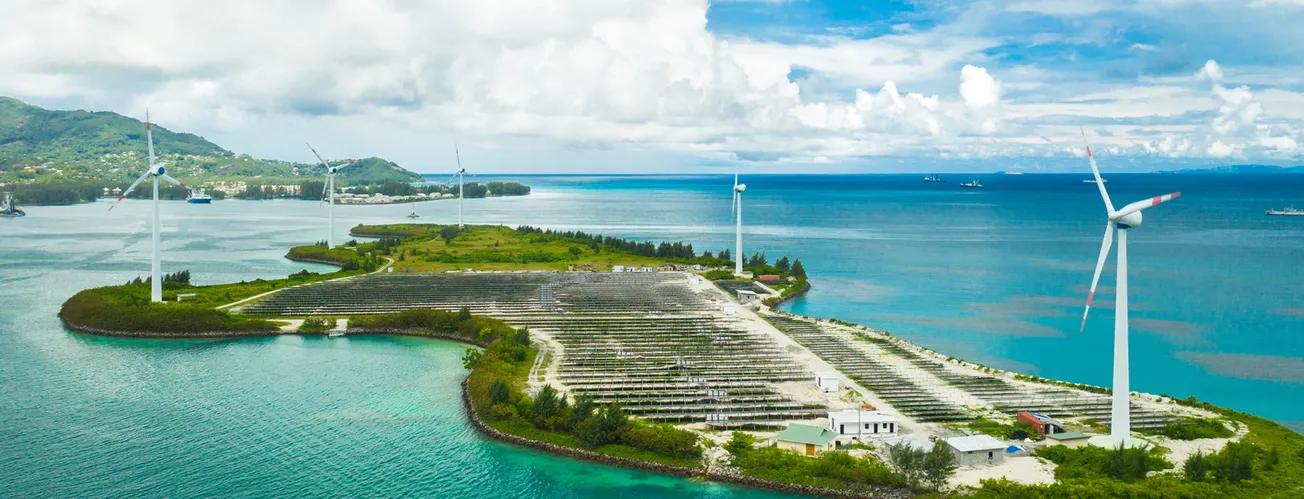
The mega ports in North Africa, the smart grid in island countries, and the new rail corridors in East Africa are not just examples of infrastructure but strategic tools. Africa's infrastructure is steadily developing globally, with the expansion of trade routes and energy becoming reliable.
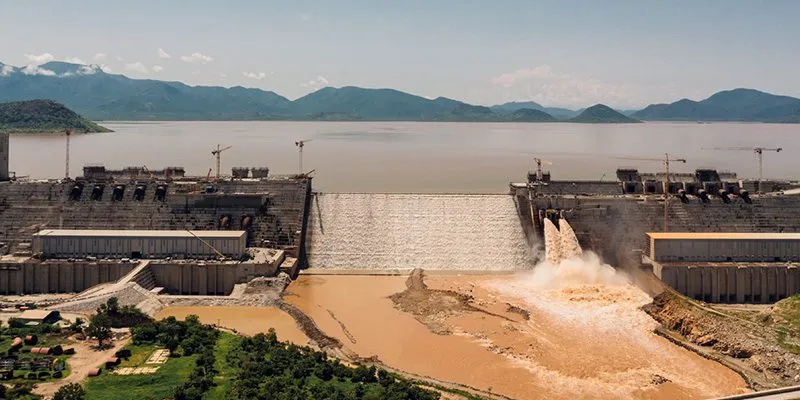
Africa's renewable electricity depends mostly on hydropower, which powers up to 60% of Africans' electricity. The East part of Africa is leading the chart while the West African countries are falling far behind. Ethiopia has three of the largest dams, leading the list, including the massive GERD.

In 2025, some African countries prioritize food security as their national reform story. To control food security, countries like Mauritius utilize community health and import strategies. Nutrition progress can no longer be seen as a problem, with Seychelles ranking at the top of the global chart.
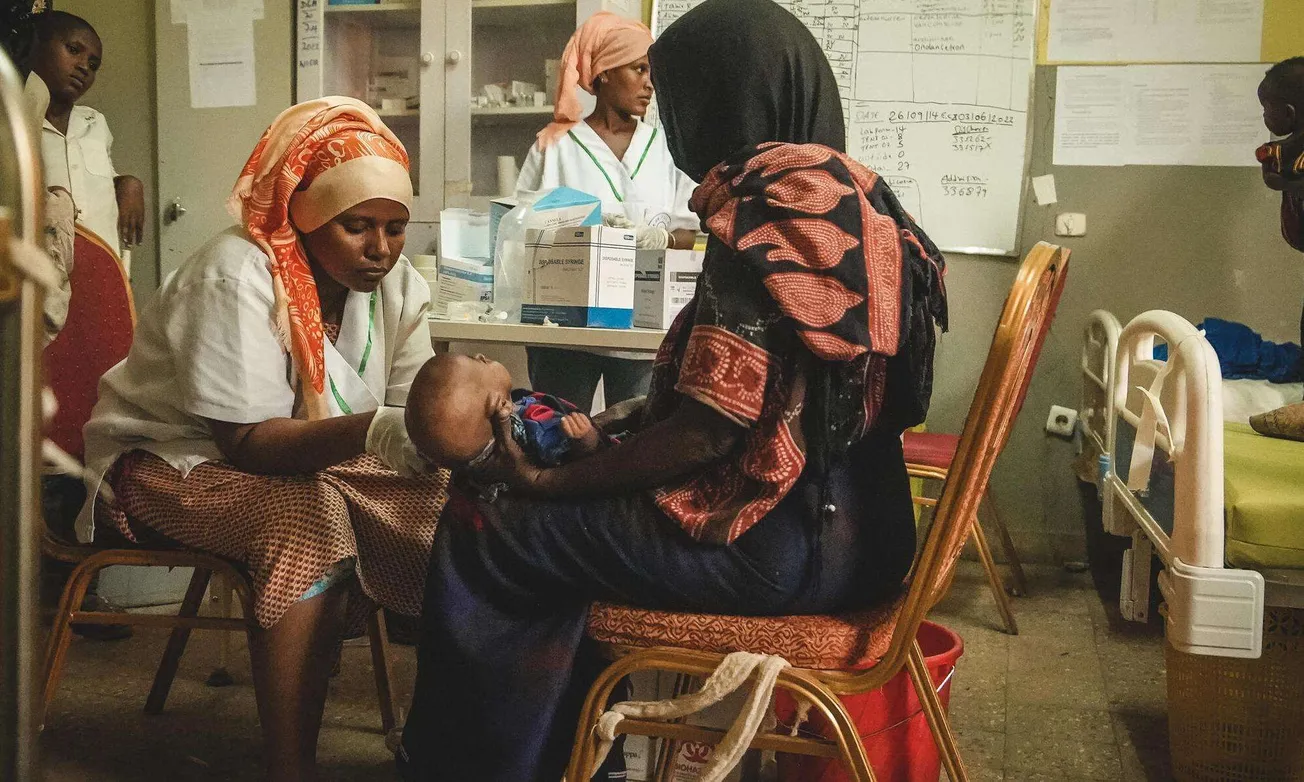
Economic strain, Limited food access, and Climate shifts are influencing the nutrition outcomes of African children. In some African countries like Somalia,and the DRC, the high malnourishment rate in children is caused by the challenges in food security planning, agriculture, and health systems.
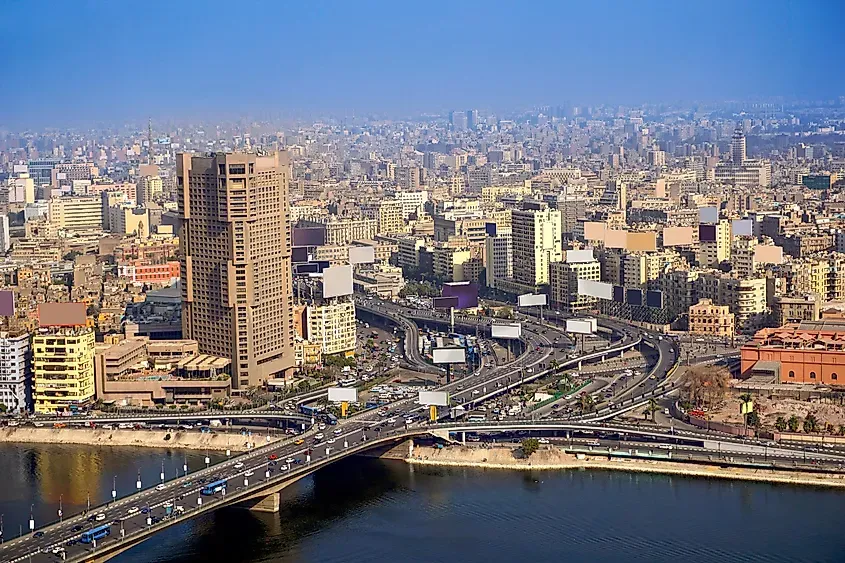
The Longest bridges in Africa have supported trade, urban growth, improved regional access, and reduced transport time. These bridges are playing a significant role in economic recovery, traffic flow, and national integration, especially in countries like Egypt, Mozambique, and Nigeria.