Africa’s gaming industry is expanding rapidly, and with it, gambling advertising. From television and radio to social media, influencer campaigns, and mobile promotions, betting brands are competing aggressively for visibility in a highly engaged market.
But this growth has also raised serious concerns. Governments across the continent are increasingly focused on youth exposure, gambling addiction, and misleading promotional messaging.
As a result, gambling advertisements are now one of the most tightly scrutinized aspects of the industry, particularly as regulators look to curb illegal gambling and misleading promotions.
While there is no single, unified regulatory framework governing gambling advertising in Africa, a growing number of countries are converging toward stricter, more controlled, and more accountable advertising standards.
This article breaks down the regulations governing advertising in Africa's gambling industry today, highlighting country-specific approaches we've observed from our work at Gaming Advisory Africa.
Country-Specific Gambling Advertising Regulations Across Africa
South Africa: Moving Toward Stricter National Oversight
In South Africa, gambling advertising rules are grounded in the National Gambling Act of 2004 and are enforced by the National Gambling Board, alongside provincial authorities and licensing boards.
However, rapid growth in online gambling and digital betting platforms has triggered regulatory reform. The Department of Trade, Industry, and Competition (DTIC) is fast-tracking new rules expected to be in place by July 2026, while the Advertising Regulatory Board is pushing for stricter protections for minors and tighter oversight of influencer-led gambling promotion.
Two key legislative efforts are shaping the future of gambling law in South Africa:
- Remote Gambling Bill (2024): proposes time restrictions and bans misleading gambling ads
- National Gambling Amendment Bill: aims to strengthen national oversight and create a register of unlawful operators
Kenya: One of the Strictest Advertising Regimes
Kenya has become one of Africa’s most tightly controlled gambling advertising environments.
Under the Gambling Control Act 2025, advertising requires approval from both the Gambling Regulatory Authority and the Kenya Film Classification Board. This places responsibility not only on gambling operators, but also on media houses and advertisers, reinforcing a broader push toward tighter betting control and accountability.
The penalties for non-compliance are severe, including fines of up to KES 20 million and a potential sentence of up to 20 years' imprisonment.
Speaking at a recent Gaming CEOs workshop hosted by Velex Advisory, Laura Gacho, their Legal & Compliance Expert for East Africa, noted that “Kenya is not just regulating gambling, it is taking a more structured approach to how it is presented to the public. Advertising is no longer just a marketing decision; it now requires equal attention to compliance.”
Ghana: High Advertising Activity, Limited Enforcement
In Ghana, the Gaming Act 2006 (Act 721) opened the door to widespread gambling promotion across sports betting, lotteries, and other gaming products.
Since then, the market has expanded rapidly, with operators spending an estimated GHS 200 million (around USD 17 million) annually on advertising and contributing significantly to national revenue.
To guide this, the Gaming Commission of Ghana introduced advertising guidelines in 2020. These require pre-approval of ads, clear responsible gambling messaging, and prohibit misleading claims or endorsements that present gambling as a source of income. They also restrict placements near schools and limit certain broadcast timings.
Nigeria: Moving Toward Harmonized Regulation
Nigeria’s biggest challenge has not been the lack of regulation, but fragmentation.
Historically, gambling advertising has been regulated at the state level, leading to inconsistent rules, approvals, and enforcement. This has made compliance complex, particularly for operators working across multiple jurisdictions.
However, in March 2026, the Federation of States Gaming Regulators of Nigeria signed an MOU with the Advertising Regulatory Council of Nigeria to create a unified framework.
Effective April 2026, this initiative aims to:
- Standardize advertising rules
- Reduce compliance friction
- Improve oversight across states
“Nigeria is moving toward a more strategic approach to gambling advertising, and that shift is critical, not just for compliance, but for creating a more predictable environment for operators across multiple jurisdictions.” — Adenike Oyebamiji, Legal Compliance Officer, Velex Advisory West Africa
Rwanda: Strict Controls and Social Protection Focus
Rwanda is taking a more controlled approach to gambling advertising.
While advertising was initially governed under Law 58 of 2011, the 2024 Gambling Policy introduced stricter proposals, including:
- Banning celebrity endorsements
- Restricting ads near schools and places of worship
The focus is on responsible gambling, protecting vulnerable groups, and reducing harmful exposure linked to excessive gambling activity.
Can Gambling Regulations Be Standardized Across Africa?
As stakeholders increasingly call for greater alignment of gambling regulation across the continent, the conversation is gaining momentum.
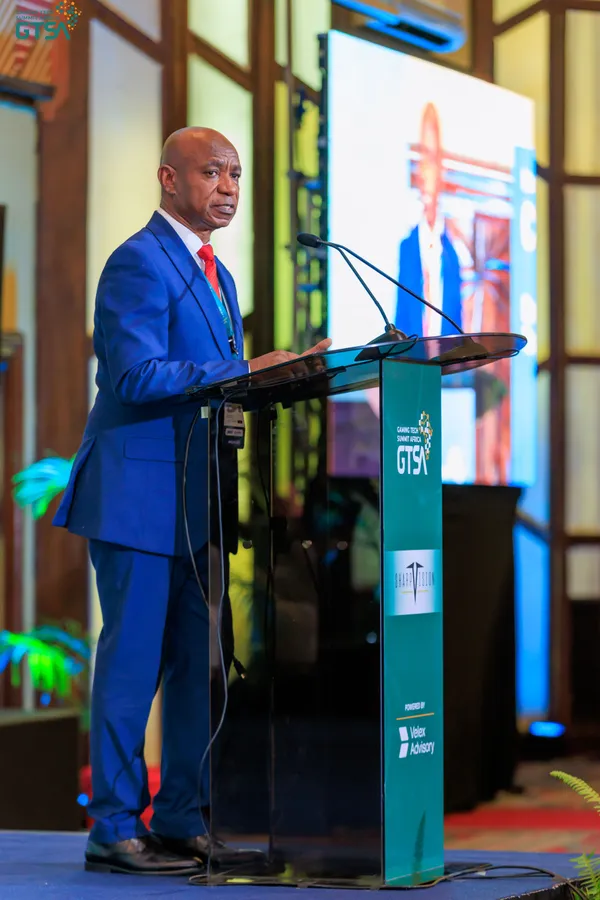
One way this is being addressed is through platforms like the Gaming Tech Summit Africa (GTSA), which create space for regulators, operators, and advisors to engage on these issues, not in isolation, but collectively.
The topic of gambling advertising is expected to come up at GTSA 2026, particularly as regulators look to align on responsible gambling messaging, digital advertising controls, and cross-border frameworks, while ensuring more consistent enforcement across jurisdictions.
As Christine Akoyo, GTSA Project Lead, explains: “GTSA plays a critical role in bringing regulators from across Africa into one room, not just to share perspectives, but to develop frameworks that can be adapted across markets and move the industry toward greater alignment and standardization.”
Platform-Level Regulation: The Role of Digital Advertising Platforms
Beyond local regulators, global platforms like Google are increasingly influencing how gambling advertising is executed across Africa.
For many operators, Google Ads is a key acquisition channel, but access is tightly controlled. To run gambling ads, advertisers must hold valid licenses, comply with local laws, include responsible gambling messaging, and avoid targeting minors.
In addition, Google requires market-specific certification, often including approval from the local gambling board. Failure to comply can lead to ad suspensions or account restrictions.
This means operators are no longer dealing with just one layer of regulation. They must align with both local regulatory frameworks and platform-specific policies.
As digital channels continue to dominate Africa’s gaming market, platforms like Google are becoming gatekeepers of gambling advertising, shaping how campaigns are approved, targeted, and scaled across borders.
Gaming Advisory Africa: Supporting Smarter, Compliant Growth
As gambling advertising regulations in Africa continue to evolve with new rules being put in place, it's clear that success in this market will depend on more than visibility. It will require a deep understanding of regulatory expectations, cross-border dynamics, and responsible gaming standards.
At Gaming Advisory Africa, we work at the intersection of regulation and industry, supporting stakeholders across more than 25 African markets. As a professional network founded by Velex Advisory, Gaming Advisory brings together legal, regulatory, and market expertise to help operators, investors, and policymakers navigate complex and fast-changing environments.
Whether you’re entering a new market, scaling across jurisdictions, or reviewing your advertising practices, the ability to align with local law while anticipating regional trends will define long-term success.
If you’re building or expanding in Africa’s gaming sector, the right guidance makes the difference.
Talk to Gaming Advisory Africa.