Table of Contents
Across the world, governments are struggling to fully fund conservation. From Africa to North America, protected areas are feeling the strain as public budgets shrink and competing national priorities grow. Uganda, however, is quietly testing a different approach, one that blends government oversight with private sector support, and the early results are drawing international attention.
In 2025, even some of the world’s most famous national parks showed how fragile conservation systems can be when funding becomes uncertain. Staff shortages, reduced patrols, and delayed maintenance revealed a simple reality: wildlife protection cannot survive on government money alone.
This challenge is not unique. Many countries depend on tourism to fill the funding gap left by limited public resources. Without visitors, conservation often collapses, leaving landscapes exposed to illegal activity and environmental decline.
Uganda has taken this reality seriously. Instead of waiting for external aid or unpredictable donor funding, the country has begun testing a new partnership model that directly links tourism revenue to conservation action on the ground. The goal is simple but ambitious: protect wildlife more effectively by combining state authority with private funding and operational support.
A Country Rich in Nature, Pressured by Costs
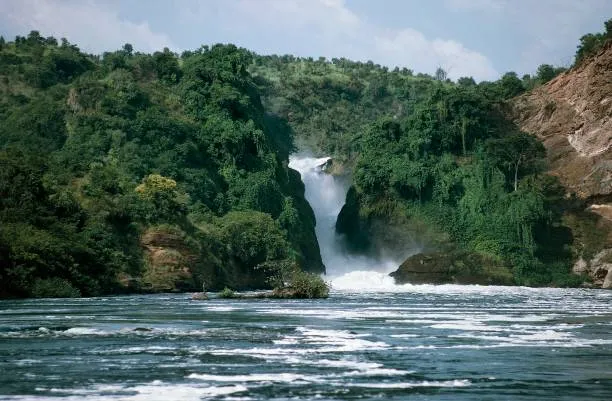
Uganda is one of Africa’s most biodiverse countries. Roughly 16% of its land is protected, covering more than nine million acres. This includes ten national parks, several wildlife reserves and vast forest areas. From the mountain gorillas of Bwindi Impenetrable Forest to the popular savannahs of Murchison Falls National Park and Queen Elizabeth National Park, these ecosystems support hundreds of species and play a critical role in regional biodiversity.
But protecting such a large network is expensive. Uganda Wildlife Authority (UWA), the government agency responsible for managing these areas, must fund ranger patrols, vehicles, fuel, salaries, food supplies, intelligence operations, and infrastructure. These costs exist whether a park receives thousands of tourists or only a handful each year.
Some remote conservation areas attract fewer than 100 visitors annually, yet they still require full protection. According to UWA officials, government funding rarely meets these needs. Tourism revenue helps, but it is unevenly distributed and heavily concentrated in a few popular destinations.
This imbalance has left many wildlife areas vulnerable—especially those far from major roads or airports.
The Hidden Threat of Illegal Hunting
One of the biggest challenges facing Uganda’s parks is illegal hunting for meat. Often referred to as the bushmeat trade, this activity operates quietly but at a massive scale. Skilled poachers can set dozens of wire snares in a single day and remain inside protected areas for weeks.
The financial incentive is high. Game meat is widely preferred by many consumers and sells at premium prices, making illegal hunting a lucrative business. In some parks, the bushmeat trade is estimated to be worth tens of millions of dollars annually.
The impact on wildlife has been severe. Elephants have been injured or killed by snares. Lions, which are slow to reproduce, have suffered dramatic losses. In one case, a small group of experienced poachers is believed to have killed dozens of lions over just a few years.
For UWA, stopping these activities requires constant patrols, equipment, intelligence, and rapid response teams resources that are expensive and difficult to maintain without steady funding.
A New Partnership Takes Shape
Faced with these pressures, Uganda began exploring new ways to support conservation beyond traditional government budgets and foreign aid. The turning point came when the country’s leadership invited private sector players to help find practical solutions for underfunded conservation areas.
One of the organisations that responded was WildPlaces, a Uganda-based tourism operator with a strong conservation focus. Instead of simply running lodges, the company proposed a deeper collaboration with UWA, one that would direct tourism income straight into frontline conservation work.
After consultations with government agencies, conservation experts, and legal advisors, the WildPlaces Conservation Foundation was established. The Foundation was designed not to replace UWA, but to strengthen it by providing flexible, fast-moving funding that could be used where it was needed most.
To ensure transparency and trust, the Foundation formed an independent board that includes former senior government leaders, judicial officials involved in wildlife crime, presidential advisors, and experienced conservation professionals. The structure was created to guarantee that funds would be used only for conservation purposes, not profit.
How the Model Works on the Ground
The Foundation raises money primarily through tourism. Guests staying at WildPlaces lodges contribute a fixed conservation fee per night, which is pooled into a dedicated fund. These funds are then deployed directly into UWA operations in selected less visited conservation areas such as Semuliki National Park.
Within just one year, the model raised around one million dollars. Instead of being absorbed into general budgets, the money was spent on practical needs identified jointly by UWA and field teams.
New ranger posts were built in remote areas such as Toro Semuliki, allowing patrols to stay closer to wildlife hotspots. Existing posts were upgraded to improve living conditions and communication. Ranger teams received vehicles, tractors, and all-terrain equipment to access difficult terrain. Anti-poaching gear and digital tools were introduced to improve monitoring and response times.
The focus was not on large infrastructure projects, but on simple, high-impact investments that immediately improved protection on the ground.
Early Signs of Recovery
The results have been encouraging. In areas where poaching pressure was once intense, illegal camps have largely disappeared. Sections of riverbanks that were previously lined with poacher activity are now regularly patrolled and secure.
Elephant snaring incidents have dropped sharply in some zones, with no new cases recorded in areas where patrols have been strengthened. Lion populations, once in decline, are beginning to show signs of recovery, with new cubs observed and pride behavior returning to normal patterns.
Conservation experts involved in the project say these changes highlight how quickly ecosystems can rebound when pressure is reduced. Many species reproduce rapidly once threats are removed. Larger animals like elephants take longer, but even they benefit from consistent protection over time.
Why Uganda’s Approach Matters
What makes Uganda’s experiment notable is not just the funding, but the structure. The government retains full authority over wildlife and land management. Private partners do not control policy or enforcement. Instead, they provide resources that allow public agencies to do their jobs more effectively.
This balance avoids many of the pitfalls seen elsewhere, where conservation becomes overly commercial or disconnected from national priorities. It also reduces reliance on unpredictable donor aid, which can disappear when global priorities shift.
The model offers something many countries are searching for: a way to keep conservation stable even when public budgets are under pressure.
The Need for Careful Growth
While the early success is promising, those involved are cautious. Uganda does not want to repeat mistakes made in other safari destinations, where high-volume tourism has damaged ecosystems and stressed wildlife.
Experts involved in the project strongly support low-impact tourism. This means limiting the number of lodges in sensitive areas, controlling vehicle numbers around animals and enforcing strict wildlife viewing rules.
Long-term planning is considered essential. Conservation leaders argue that Uganda should develop clear five- to ten-year plans that guide where tourism can grow and where it should remain limited. Opening new, under-visited areas carefully could spread economic benefits without overwhelming popular parks.
A Model with Global Potential
Uganda’s conservation partnership is still young, and it is not a complete solution to every challenge. However, it offers valuable lessons. It shows that when governments remain in charge, tourism operators act responsibly, and conservation funding is tied directly to field needs, wildlife protection can improve quickly.
Neighbouring countries such as Rwanda have already demonstrated how disciplined, low-impact tourism can support long-term conservation success. Uganda’s approach adds another layer by formally integrating private funding into public conservation systems.
As global conservation funding becomes increasingly uncertain, models like this may become essential. Uganda’s experience suggests that protecting nature in the modern world requires cooperation, creativity, and shared responsibility.
For now, the forests, rivers, and savannahs of Uganda are offering proof that with the right partnerships, conservation can still work, even in challenging financial times.