Table of Contents
In Summary:
- According to reports, rapid urbanisation and population growth are driving strong real estate demand across African cities in 2025.
- Experts say infrastructure development and economic diversification shape city-level investment performance.
- Cities with stable policies and growing middle classes attract higher rental yields and capital appreciation.
- Cairo, Nairobi, and Lagos lead Africa’s fastest-growing real estate investment markets in 2025.
Deep Dive!!
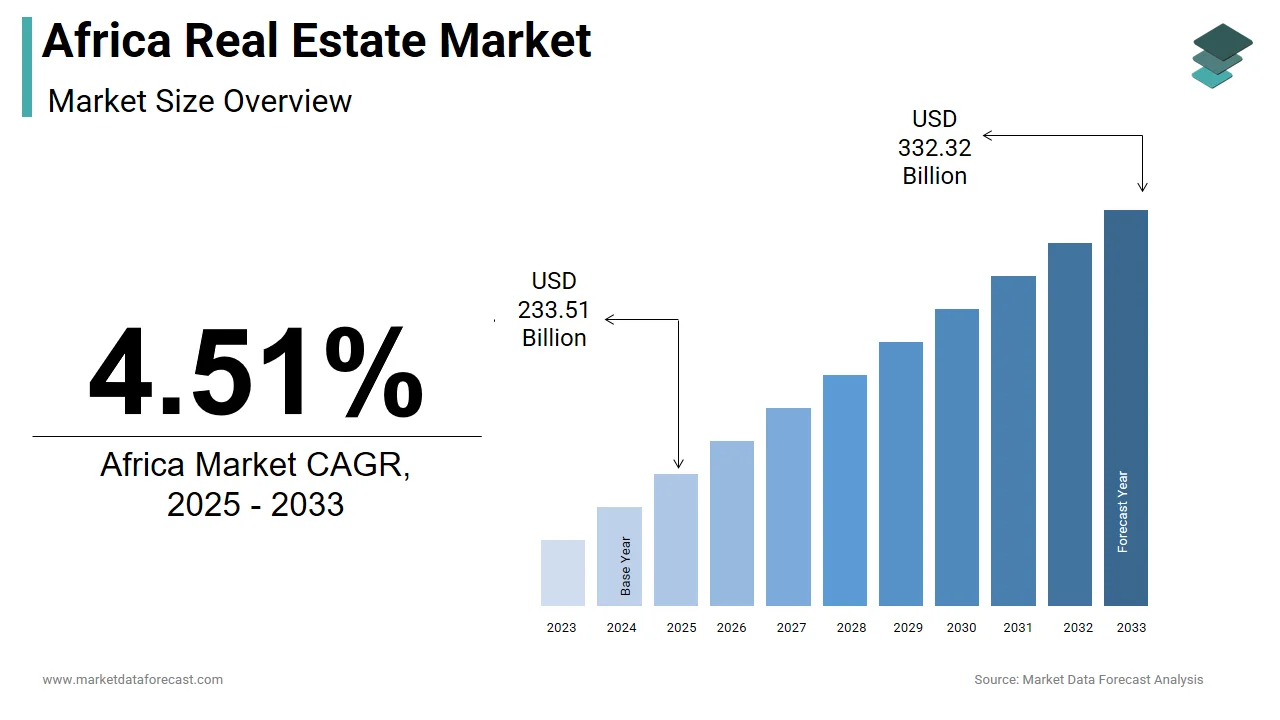
Thursday, 8 January 2025 –Real estate continues to play a central role in Africa’s urban and economic transformation, driven by rapid population growth, accelerating urbanisation, and rising demand for housing, commercial space, and infrastructure. By 2025, African cities are expected to accommodate a significant share of the world’s fastest-growing urban populations, creating sustained pressure on property markets. Investment opportunities are being shaped by factors such as economic expansion, infrastructure development, government policy reforms, and increased participation from local and international investors seeking long-term returns.
However, growth across Africa’s real estate markets is uneven, with certain cities emerging as clear investment hotspots due to stronger fundamentals and more dynamic demand. Cities with expanding middle classes, improved transport networks, diversified economies, and supportive regulatory environments are recording faster growth in property values and rental yields. This article ranks the top 10 fastest-growing African cities for real estate investment in 2025, drawing on verified data and reports to highlight markets offering the most compelling opportunities and long-term potential for investors.
10. Lusaka, Zambia
Lusaka’s real estate market has gained momentum with rising domestic migration and infrastructure expansion. As the nation’s capital, Lusaka’s urban population continues to grow, driving demand for housing, commercial space and retail developments. Improved road connectivity, new shopping complexes and emerging suburban districts are attracting local investors and builders interested in mid-income residential projects.
Despite macroeconomic volatility, investor interest in Lusaka has strengthened due to long-term prospects of urban expansion. Demand is particularly high for gated communities and multifamily developments that cater to a growing middle class. Developers are capitalising on opportunities in peri-urban areas as central plots become scarce, positioning Lusaka as a high-potential second-tier real estate market in Southern Africa.
9. Abidjan, Côte d’Ivoire
Abidjan has emerged as a major investment destination thanks to strong GDP growth and infrastructure spending. Its property market has expanded with significant foreign investment in office space, retail hubs and upscale apartments. The city’s status as a sub-regional commercial hub attracts multinational companies, boosting demand for premium and mixed-use real estate.
Abidjan’s rental yields for quality housing are among the highest in West Africa, drawing both institutional and individual investors. Urban renewal and transport infrastructure projects are further strengthening the city’s attractiveness. Continued economic stability and regional trade growth under AfCFTA enhance investment confidence in Abidjan’s real estate sector.

8. Dar es Salaam, Tanzania
Dar es Salaam’s property market is benefiting from rapid urbanisation and large infrastructure investments such as the port expansion and improved transport links. Population growth exceeding 5 percent annually fuels demand for both residential and commercial properties, particularly affordable and middle-income housing near industrial corridors.
The city’s strategic position as a gateway for East African trade supports logistics and warehouse developments, presenting opportunities for investors focusing on sector diversification. Demand for beachfront developments and luxury residential units is also rising, offering high rental yields for investors targeting a range of market segments.
7. Johannesburg, South Africa
Johannesburg remains one of Africa’s key real estate markets due to its economic diversity and status as a business hub. Office spaces in Sandton, Rosebank and East Rand continue to attract corporate tenants, while residential demand persists in established suburbs. Despite national economic headwinds, property values in prime areas demonstrate resilience.
Investment interest is increasing in mixed-use developments that combine residential living with lifestyle amenities. Projects targeting professionals and young families are expanding, while regeneration initiatives in inner cities are improving long-term prospects for capital growth.
6. Cape Town, South Africa
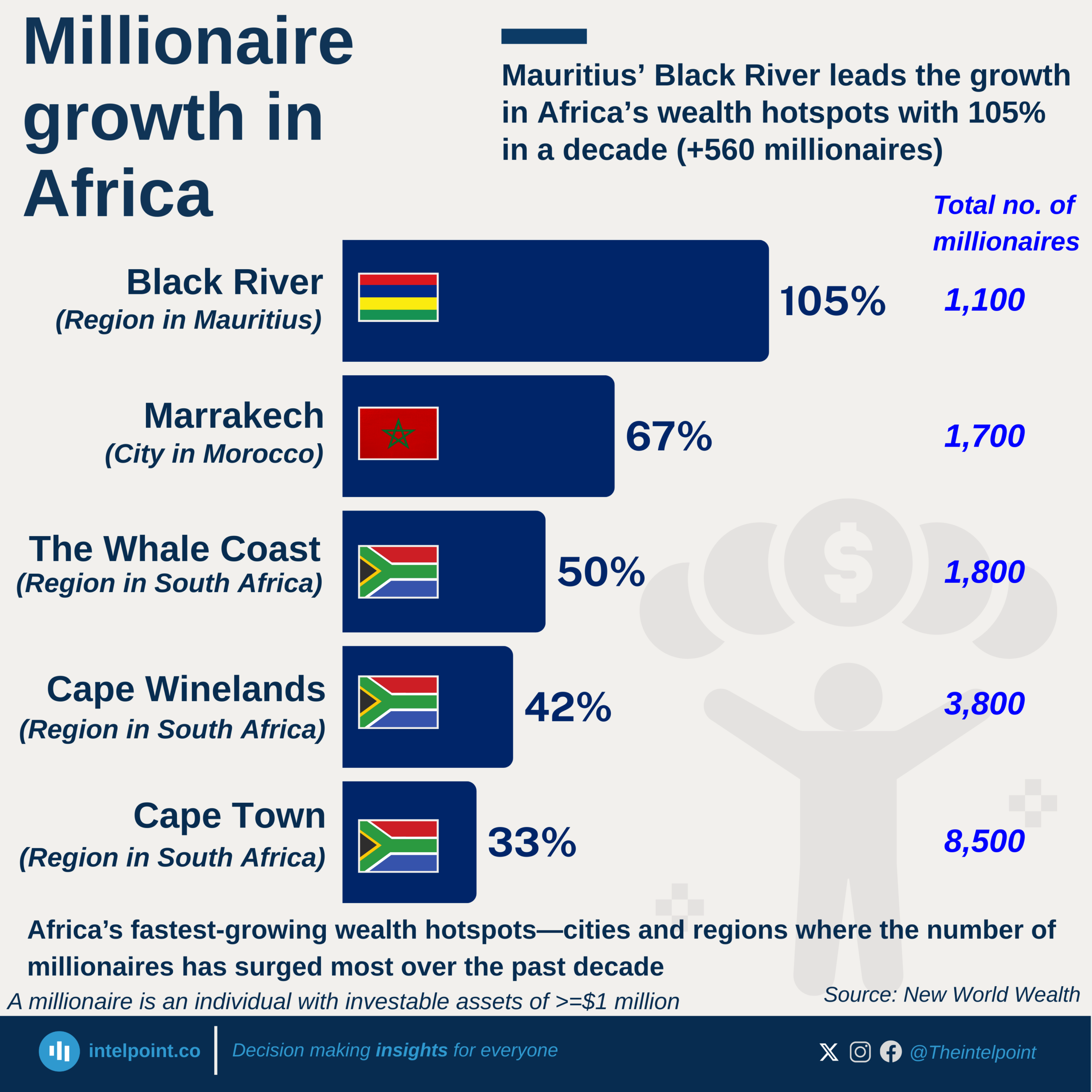
Cape Town’s real estate market stands out for its lifestyle appeal, strong rental demand and international investor interest. Coastal and suburban properties consistently deliver high yields, particularly in areas such as Sea Point, Camps Bay and Constantia. The city’s tourism strength boosts short-term rental markets and enhances investor returns.
Stable infrastructure and high-quality amenities make Cape Town attractive to both retirees and affluent buyers seeking luxury homes. While affordability remains a challenge for some segments, premium property segments show consistent growth, reinforcing Cape Town’s position as a top investment city.
5. Kigali, Rwanda
Kigali has rapidly gained recognition for its orderly urban development and investor-friendly policies. Government-led initiatives in master-planned neighbourhoods, innovation districts and transportation networks have improved market confidence. This city offers notable rental yields and opportunities in affordable housing and commercial real estate.
Investors are drawn by Kigali’s political stability, transparent regulations and sustainable planning approach. Growth in business tourism and short-term rentals driven by corporate and conference traffic adds another dimension to returns, making Kigali a compelling choice for diversified real estate investment.
4. Accra, Ghana
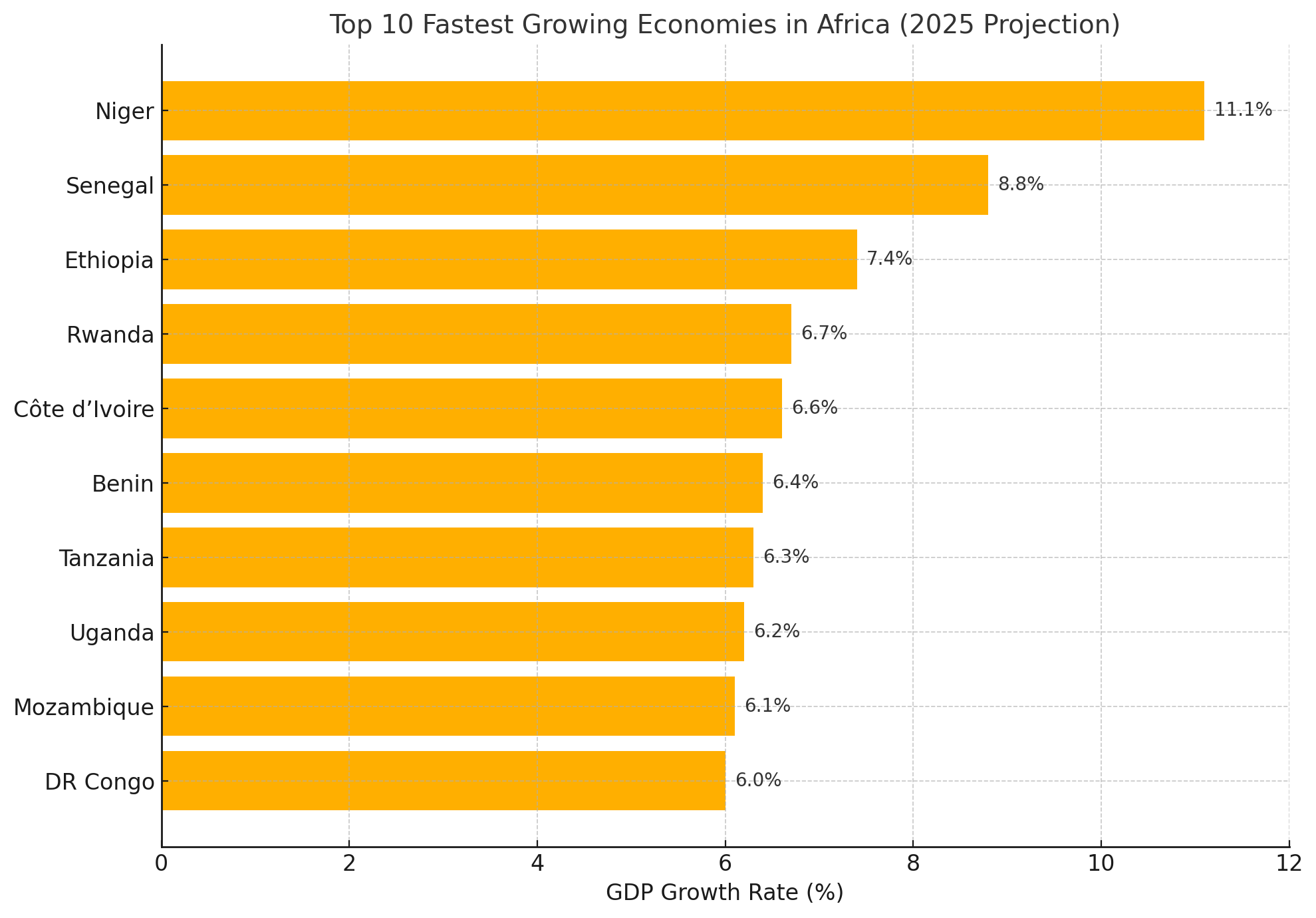
Accra continues to attract strong investor attention due to its stable political environment and expanding middle class. Residential developments in East Legon, Cantonments and Airport Residential Area remain especially popular with both local buyers and international investors. This has contributed to solid price appreciation and rental returns.
The city’s real estate growth is further supported by diaspora investment inflows and government infrastructure projects. Commercial and mixed-use developments are rising in response to growing demand for modern office and retail space. Accra’s diversified property landscape positions it as one of West Africa’s most promising real estate markets in 2025.
3. Lagos, Nigeria
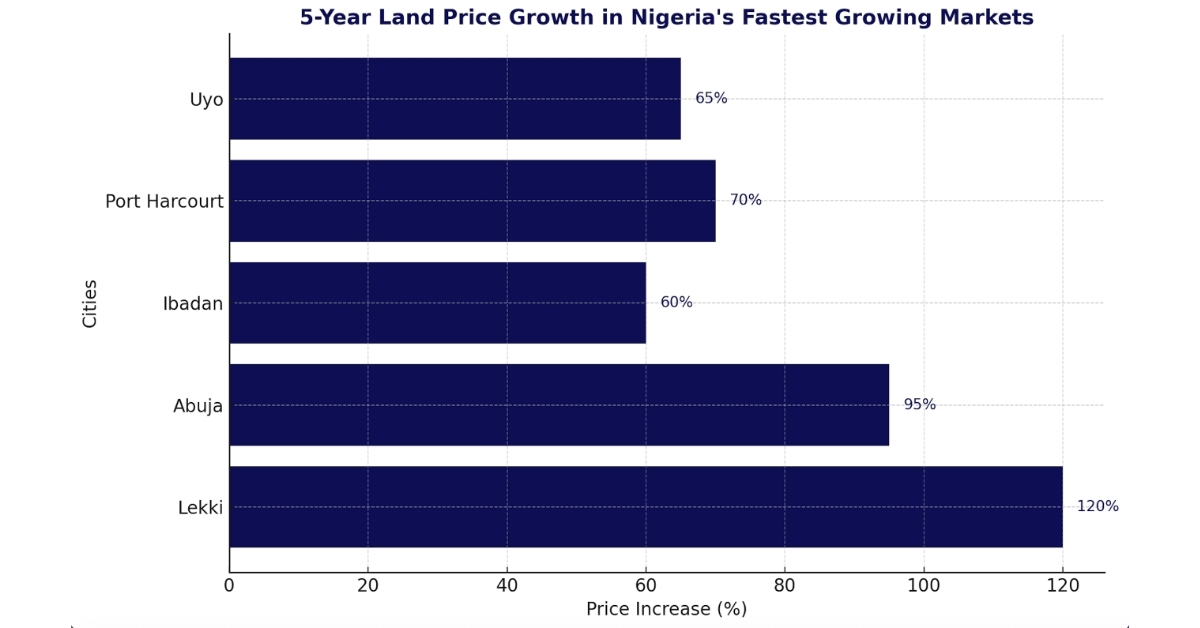
Lagos is widely recognised as one of Africa’s hottest real estate growth markets. Population growth, urbanisation, and a persistent housing deficit drive strong demand across residential, commercial and industrial segments. Areas such as Lekki, Ikoyi, and Victoria Island are among the most sought-after, with luxury and mixed-use developments delivering high rental yields.
Infrastructure investments and diaspora-driven capital flows continue to feed into Lagos’s property boom. Special Economic Zones, transport upgrades and waterfront development projects enhance prospects for long-term capital growth. Despite currency volatility risks, Lagos remains a top destination for both domestic and international real estate investors in 2025.
2. Nairobi, Kenya
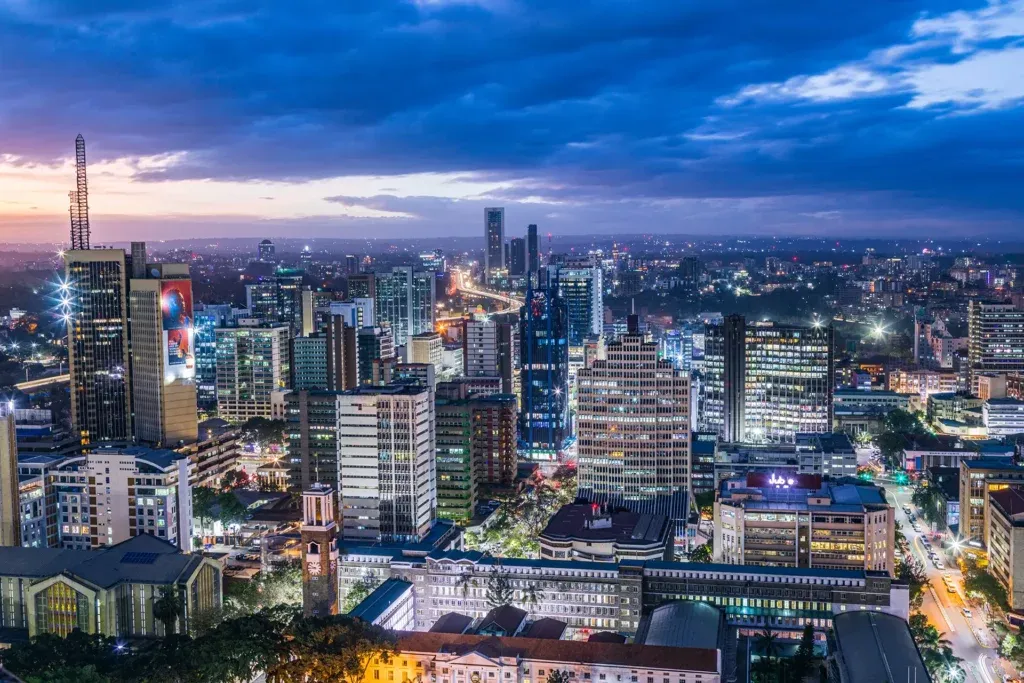
Nairobi’s real estate market remains one of the most dynamic in Africa, underpinned by steady GDP growth and robust demand from tech, finance and service sectors. Upper Hill, Westlands and Kilimani are key commercial and residential hubs, attracting multinational tenants and affluent buyers alike.
Residential space demand has also surged, supported by a growing middle class and expatriate workforce. Mixed-use urban developments and large-scale projects such as Konza Techno City enhance long-term fundamentals. Rental yields and occupancy rates in Nairobi remain among the highest on the continent, reinforcing its appeal as an investment hotspot.
1. Cairo, Egypt
Cairo stands at the top due to its massive population, diversified economy and ongoing urban transformation. As one of Africa’s largest cities, Cairo’s residential, commercial and industrial real estate sectors show robust growth, driven by government-led mega-projects, new economic zones and migration from rural areas.
The city benefits from strong infrastructure development, including transport expansion and new satellite cities, which open up property investment opportunities beyond the traditional urban core. With both local and international demand rising, Cairo provides investors with scale, depth and a broad spectrum of real estate opportunities in 2025.
We welcome your feedback. Kindly direct any comments or observations regarding this article to our Editor-in-Chief at [email protected], with a copy to [email protected].