Top 10 African Countries by Digital Quality of Life
Africa’s Digital Quality of Life rankings reveal how infrastructure, access, affordability, and policy shape digital living standards across the continent.
Africa’s Starlink landscape reflects how regulatory approvals, infrastructure gaps, and early adoption patterns shaped the continent’s satellite internet connectivity.
By 2026, Africa’s ties with China are more selective. Some countries are deepening cooperation where projects deliver trade and industrial gains, while others are rebalancing toward new partners to strengthen leverage in a competitive, multipolar world.
By 2026, U.S. exports to Africa are dominated by high-value machinery, aviation, energy systems, and medical technology. The largest importers are countries with strong ports, industrial capacity, and infrastructure, reflecting a shift from consumer goods to production-focused trade.
In 2026, several African countries face new U.S. travel restrictions based on visa overstay rates, identity verification systems, and security data-sharing. The measures range from full visa suspensions to tighter entry conditions for selected nations.
By 2026, several African countries are projected to have public debt levels equal to or higher than their entire economic output.
Explore the education reforms and skill development strategies Africa needs to empower its workforce by 2030. Discover how partnerships and innovation can unlock opportunities for millions of learners.
Aliko Dangote founded the Dangote Group in 1981, transforming it from a small commodity trading firm into West Africa’s largest industrial conglomerate with leadership in cement, oil refining, sugar, and other essential sectors.
Njeri Rionge is a Kenyan entrepreneur and co-founder of Wananchi Group, the creator of Zuku. Her early work helped expand affordable internet access in East Africa and positioned her among the continent’s first recognised tech founders.
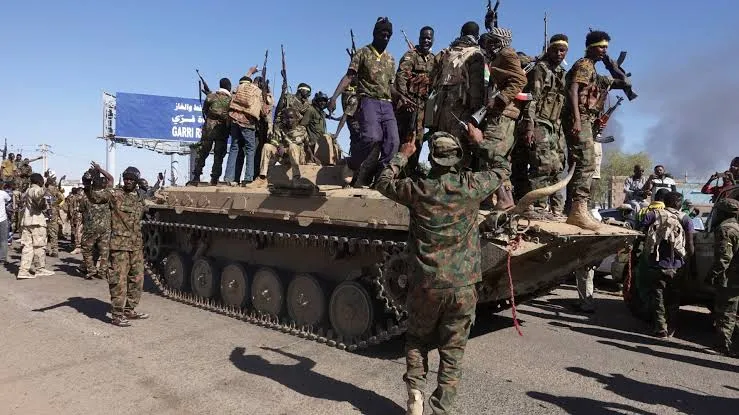
Africa’s leading militaries in 2026 are shaped by decades of state investment, modernization programs, and strategic defense planning that define their continental and global standing.
Analysis of Africa’s top 10 IMF debtors in early 2026 reveals how fiscal deficits, commodity reliance, and reforms shape economic stability and growth prospects.
Chimezie Emewulu co‑founded Seamfix to solve Africa’s digital identity challenges, growing the company from a small Nigerian startup into a trusted identity technology provider operating across Africa, the UK, and the UAE.
Mohamed Said Duale founded Dahabshiil in 1970, building a global diaspora-focused remittance network that connects communities to their home economies.
Katlego Maphai co-founded Yoco to address the structural barriers that prevented small and medium-sized businesses in South Africa from accessing card payments and digital financial services.
African royal regalia reveal a legacy of wealth, artistry, and power that rivals Europe’s finest crowns. These historical and priceless pieces reflect deep cultural authority, historic trade wealth, and enduring royal traditions across the continent.
Africa’s manufacturing shift is redefining exports, with countries like South Africa, Egypt, and Morocco leading in consumer goods production. In 2025/2026, exports now include vehicles, electronics, textiles, processed foods, and household goods.