Table of Contents
Maiduguri, Nigeria – In a significant victory against Boko Haram, the Nigerian army has rescued 350 hostages, mostly women and children, from the extremist group's stronghold in the Sambisa Forest.
This rescue operation marks a critical step in the ongoing efforts to dismantle Boko Haram's influence in northeastern Nigeria.
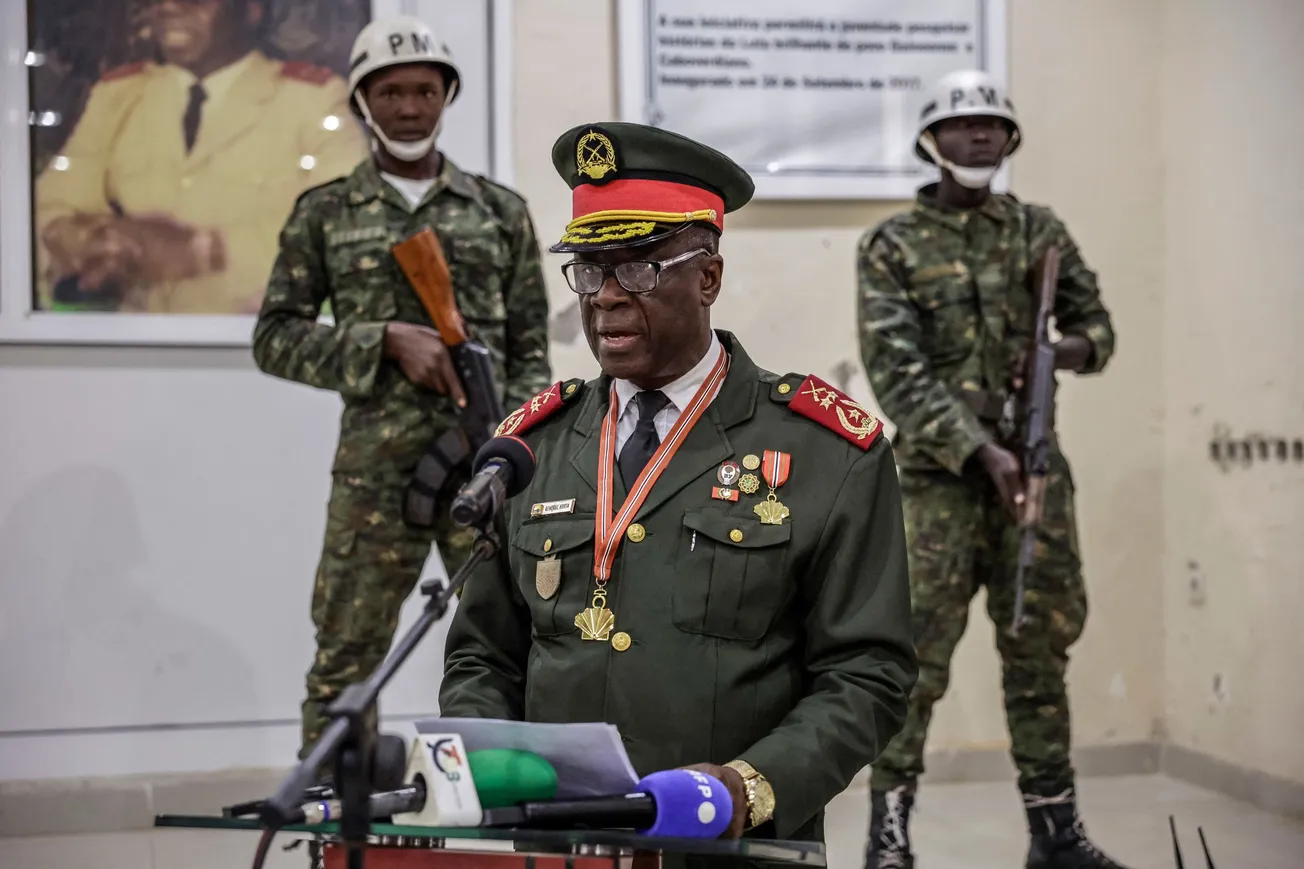
Major General Ken Chigbu, a senior officer in the Nigerian army, announced late Monday that the hostages were freed during a days-long military operation.
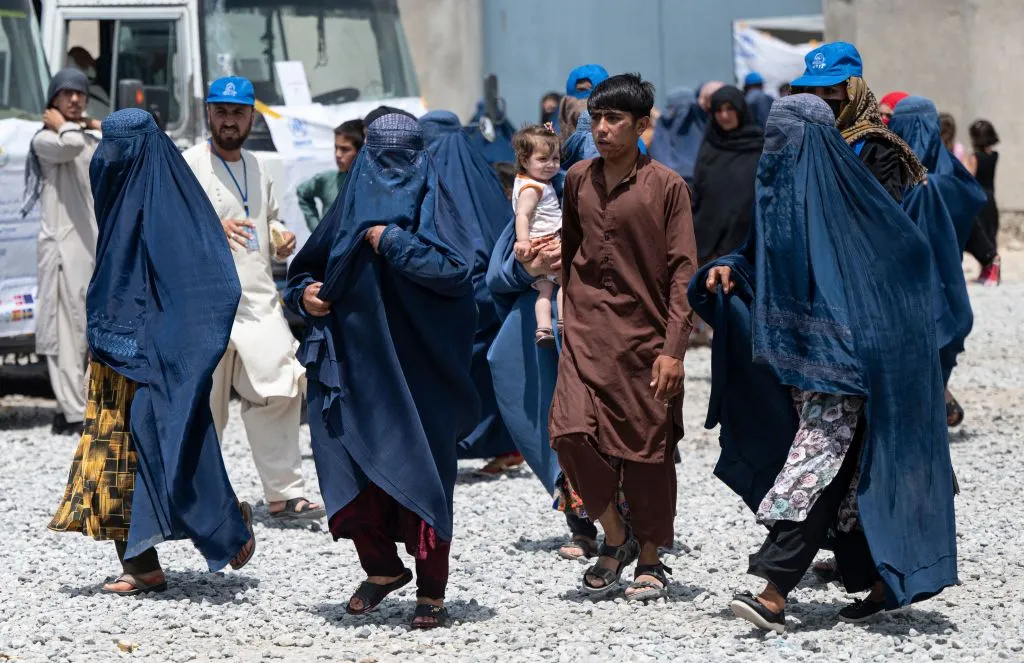
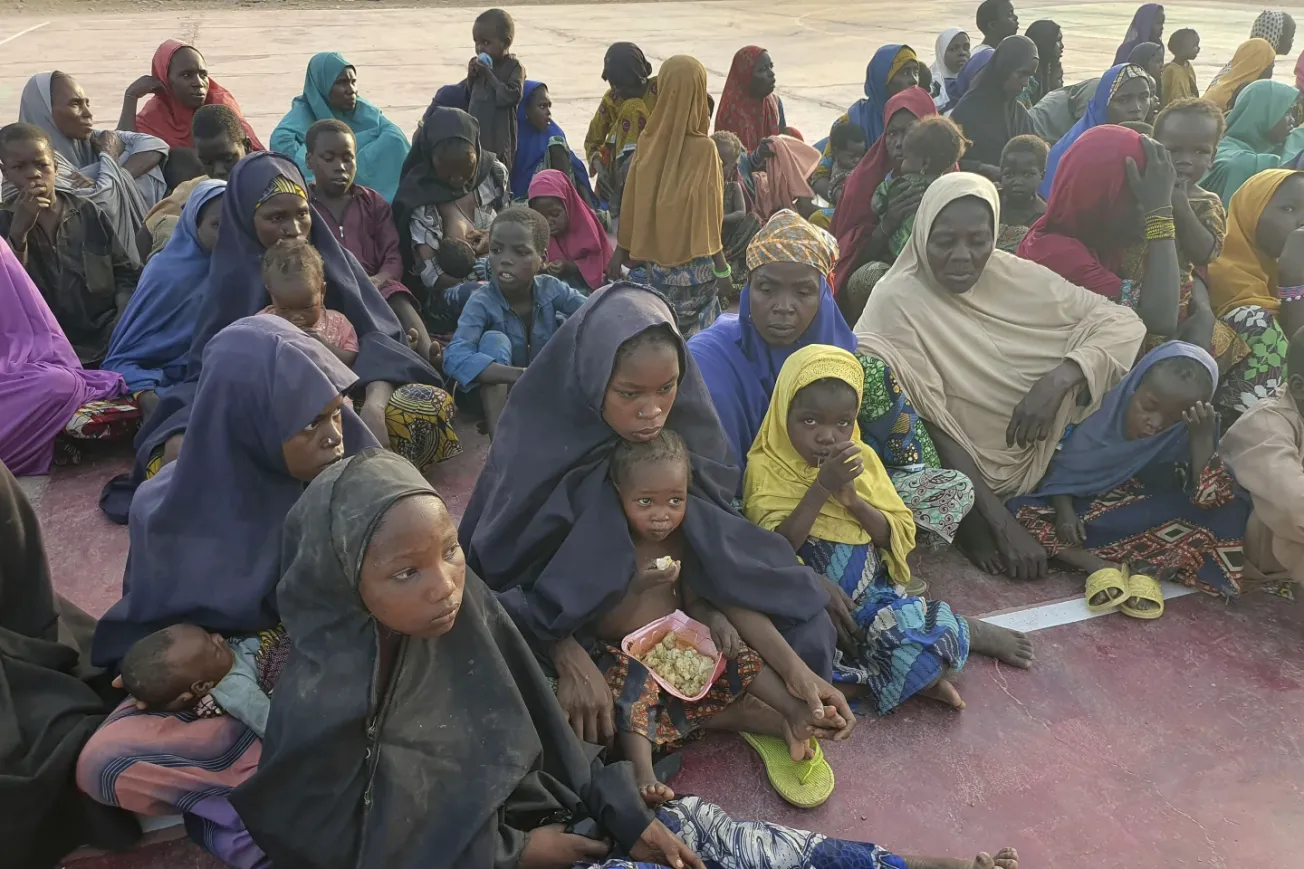
The rescued individuals, including 209 children, 135 women, and six men, were presented to authorities in Borno State, where the forest is located.
The hostages, appearing exhausted and dressed in tattered clothes, had endured months or even years in captivity.
Many of the girls had babies born from forced marriages, a tragic reality for many female victims of Boko Haram who are often subjected to rape or coerced into marriage with militants.
One of the hostages, Hajara Umara, recounted her harrowing experience. “I always wanted to escape but couldn’t because of the children,” she said. “If they caught you trying to escape, they would torture you and imprison you indefinitely.”
The army's operation in Sambisa Forest, once a thriving forest reserve now serving as Boko Haram’s hideout, involved the destruction of makeshift houses used by the extremists.
Some militants were killed during the operation, further weakening the group's hold in the region.
The rescued hostages were transported in trucks to the Borno State government house, where they will receive care and support before being reintegrated into their communities.
Boko Haram, Nigeria’s homegrown jihadist group, has wreaked havoc since it launched its insurgency in 2009 with the aim of establishing Islamic Shariah law in the country. According to U.N. agencies in Nigeria, the violence has claimed at least 35,000 lives and displaced 2.1 million people.
The group gained global notoriety in 2014 with the kidnapping of 276 schoolgirls from the village of Chibok in Borno State, an event that drew international condemnation.
Since then, Boko Haram and its factions have continued to abduct students and civilians, particularly in Nigeria’s northwest and central regions, where armed groups frequently target villagers and travelers for ransom.
The recent rescue operation is a testament to the Nigerian army's commitment to combating Boko Haram and restoring peace to the region. As the freed hostages begin their journey towards recovery, the focus now shifts to providing them with the necessary support to rebuild their lives.