Table of Contents
The UN's decision to authorize Kenya to lead a multinational force to address gang violence in Haiti has raised concerns about Kenya's human rights record. For a year, this force, consisting of 1,000 Kenyan police personnel, will combat criminal gangs responsible for a wave of violence, including killings, kidnappings, and rape in Haiti. Human rights groups argue that Kenya's history of human rights abuses must be taken into account.
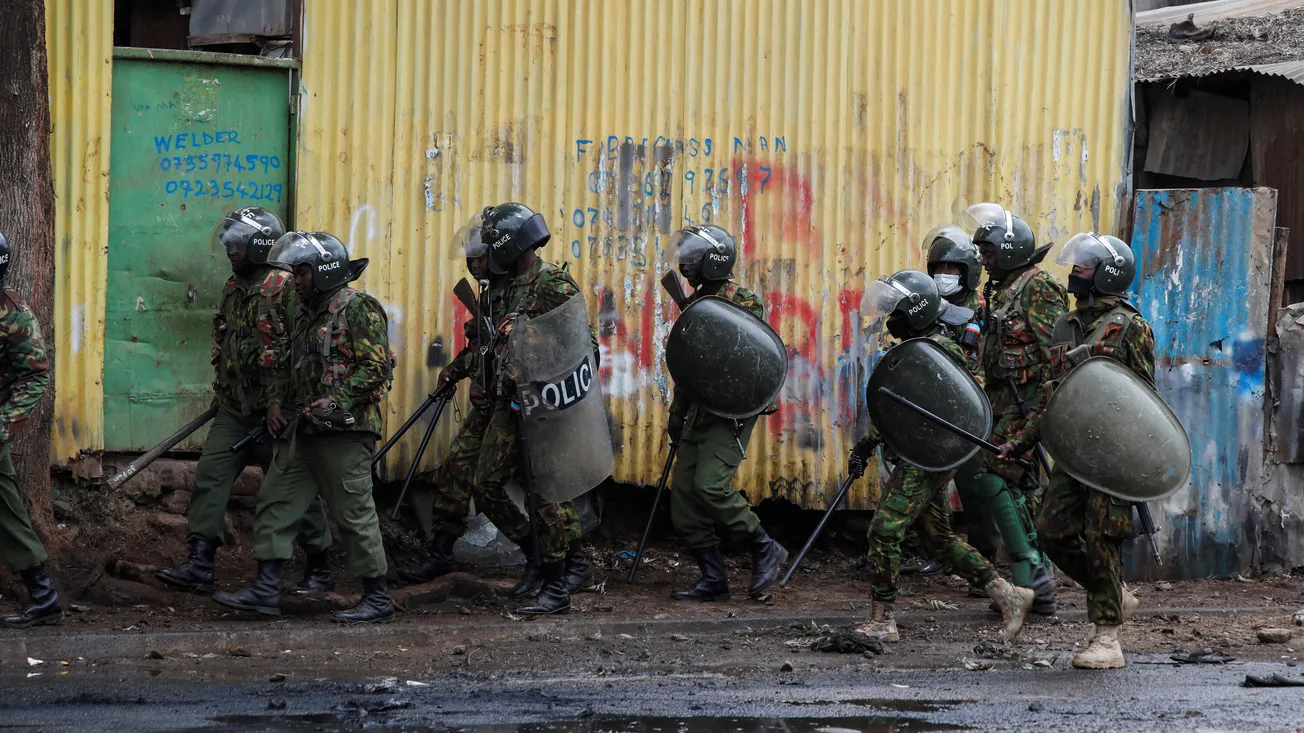
Amnesty International Kenya has urged UN member states, human rights organizations, and citizens to examine the "human rights and humanitarian implications" of deploying such a force to Haiti. Kenya's police have faced criticism for their use of violence during protests, which resulted in civilian deaths in July of the same year. The UN had previously expressed concerns about police brutality during these protests.
The Kenya National Civil Society Center has opposed sending the country's police personnel to Haiti, citing "extrajudicial killings" and the "excessive use of force" by the Kenya Police Service during anti-government protests.
While Kenyan President William Ruto welcomed the UN decision, political analysts and some Kenyans view this mission to Haiti as an "unnecessary risk" motivated by President Ruto's desire to appease the international community. Concerns include the language barrier and unfamiliar terrain in Haiti, which may pose challenges for the Kenyan security forces.
The US has pledged $100 million in direct support for the multinational force in Haiti, but doubts about the mission persist. Critics argue that the mission poses a significant gamble, given the unfamiliar territory and volatile security situation in Haiti.
Kenya has played a substantial role in supporting UN and African Union peace missions in the past and has been praised for its capacity to lead international security missions while adhering to human rights and accountability standards.