Table of Contents
Africa stands at a pivotal moment in its development journey as it seeks to equip a burgeoning youth population with the education and skills needed to thrive in a rapidly changing global economy. With millions of young people entering the job market each year, the continent faces the dual challenge of expanding access to quality education while ensuring that learning outcomes align with the demands of the future of work. Even in niche segments of the digital economy such as online poker, participants develop analytical thinking, risk assessment, and decision-making skills by studying game mechanics, platform structures, and reward systems—much like players who rely on detailed resources such as best canadian poker sites reviews to better understand poker ecosystems and incentive models. This blend of formal education and informal skill acquisition reflects the diverse pathways through which Africa’s youth are preparing for tomorrow’s careers.
For Africa to realize its full economic potential by 2030, education systems must evolve from traditional models focused primarily on memorization to approaches that emphasize problem solving creativity and lifelong learning. This includes integrating digital literacy into curricula so that students graduate not just with academic knowledge but with the ability to navigate technology and innovate. Many countries are already experimenting with reforms that increase flexibility and relevance in schooling, including partnerships with private sector actors to deliver vocational training in areas like renewable energy information technology and advanced manufacturing.
A Growing Youth Population and the Transformation Imperative
By 2030 Africa’s workforce will be one of the youngest in the world with a population of working age people set to grow faster than in any other region. This demographic dividend could be a powerful engine for economic growth if matched by strategic investments in education and skills training. Yet without action the same demographic trend risks exacerbating unemployment and underemployment as job opportunities fail to keep pace with the number of job seekers.
Quality education is foundational but not sufficient on its own. What young Africans learn must be directly relevant to the economies in which they live and to the global market they aim to join. The rise of digital platforms and remote work has opened doors for those with the right competencies, yet large swaths of rural and underserved communities still lack reliable access to the internet and modern learning tools. Bridging this digital divide is essential if Africa is to nurture a workforce capable of engaging with global industries from software development to creative arts to sustainable agriculture.
Aligning Education With Market Needs
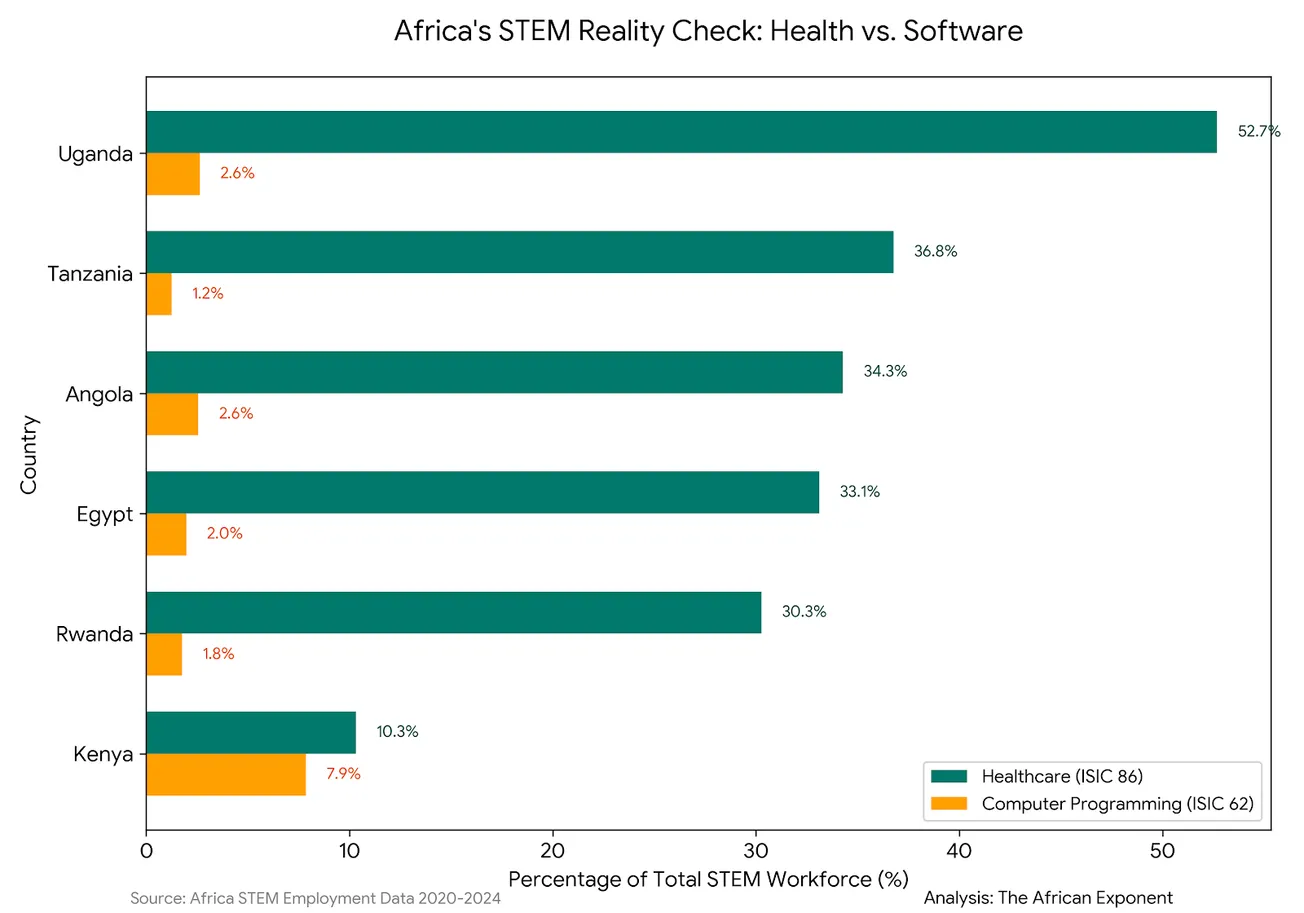
Employers across Africa frequently point to a mismatch between graduates’ skills and the requirements of the jobs they seek to fill. Soft skills like communication teamwork and critical thinking are increasingly cited alongside technical proficiencies such as data analysis coding and digital marketing. Addressing these gaps requires robust collaboration between governments educational institutions and the private sector to co design curricula and training programs that meet real world needs.
Work based learning models including apprenticeships internships and cooperative education can help students acquire hands on experience and build networks that ease their transition into employment. These programs allow learners to apply theoretical knowledge in practical settings while gaining exposure to workplace expectations and cultures. Governments can incentivize employers to participate by offering tax credits or subsidies for companies that host trainees particularly in high demand sectors like health care renewable energy and information technology.
Lifelong Learning and Adult Education
The pace of technological change means that learning cannot end with a diploma. Workers across all ages will need opportunities to reskill and upskill throughout their careers. Lifelong learning frameworks that provide accessible continuous education options can help ensure that employees adapt to evolving job requirements. Community learning centers online courses and vocational training institutes all have roles to play in creating a culture of ongoing personal and professional development.
Public policy can support lifelong learning by funding training initiatives and recognizing non traditional credentials earned through online platforms or industry certifications. Employers can also contribute by offering professional development opportunities and supporting staff in pursuing additional qualifications. In this way learning becomes a dynamic process that empowers individuals to respond to changing economic conditions with confidence.
Empowering Women and Girls
Investing in the education and skills of women and girls is essential for Africa’s workforce to thrive. When women have equal access to quality education and job opportunities entire communities benefit. Yet in many regions barriers such as cultural norms economic constraints and inadequate support systems continue to limit girls’ participation in schooling especially at higher levels.
Targeted interventions such as scholarship programs mentorship networks and safe learning environments can help close gender gaps in education and employment. Encouraging girls to pursue studies in science technology engineering and mathematics expands their career possibilities in high growth sectors while contributing to greater gender diversity in fields where women have been historically underrepresented. Empowered women are also more likely to invest in the health and education of their families reinforcing positive outcomes across generations.
Investing in Infrastructure and Technology
To support modern education and skill development Africa must invest in infrastructure that enables connectivity and access to learning resources. Reliable electricity broadband networks and well equipped schools are fundamental building blocks for educational transformation. Public private partnerships can play a crucial role in mobilizing the funding and expertise needed to scale infrastructure projects that benefit learners nationwide.
Technology also offers innovative ways to deliver education at scale through blended learning models that combine in person instruction with online resources. Interactive educational content tailored to local languages and contexts can enrich learning experiences and help students engage more deeply with material. As mobile device ownership continues to rise across the continent digital learning solutions can complement traditional classrooms and extend educational opportunities to remote areas.
Conclusion
Preparing Africa’s workforce for 2030 is a complex endeavor that requires holistic strategies and cooperation across sectors. By modernizing education systems aligning skills development with market needs promoting lifelong learning empowering women and investing in infrastructure Africa can unlock the potential of its young population. The journey will demand commitment innovation and resilience but the rewards are immense: a capable workforce ready to compete on the global stage and drive sustainable inclusive growth for generations to come.