Table of Contents
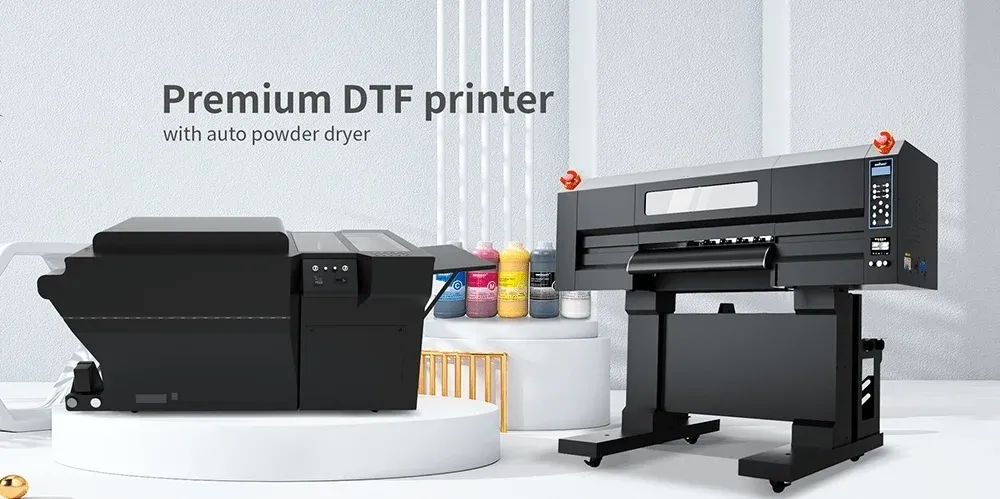
If you’ve been following trends in printing and design, you’ve probably heard people talking about DTF Printers. The term stands for “Direct to Film,” and while it might sound technical, the idea is simple. You print a design onto a special film, apply adhesive powder, and then transfer it onto fabric using heat. The result is a durable, vibrant print that works on a wide range of materials.
I first came across DTF when a local clothing brand started experimenting with it. They had been using vinyl and screen printing for years, but wanted something that could handle more complex designs without peeling or fading. The difference was obvious. The colors popped, the details were sharper, and the prints held up after multiple washes.
How DTF Printing Works
The process starts with a printer that uses textile inks to print directly onto a film sheet. Once the design is printed, adhesive powder is applied to the back. The film is then cured, usually with heat, and pressed onto the fabric.
It sounds like a lot of steps, but once you get into the rhythm, it’s straightforward. The big advantage is that you can print on almost any fabric. Cotton, polyester, blends, even darker materials — DTF handles them well.
Why People Are Talking About It
DTF has gained attention because it solves some of the limitations of older methods. Vinyl can crack, screen printing requires multiple layers, and sublimation only works on certain fabrics. DTF offers flexibility without sacrificing quality.
For small businesses, this means being able to say yes to more customer requests. For hobbyists, it means experimenting with designs that would have been tricky before. And for customers, it means getting products that look good and last longer.
Beyond T‑Shirts
Like heat presses, DTF printers aren’t limited to clothing. Hoodies, tote bags, hats, and even shoes can be customized. I’ve seen local shops use them to create branded merchandise, while artists use them to sell limited‑edition designs.
The ability to print detailed artwork is a big deal. Gradients, fine lines, and complex color combinations often lose quality with other methods. DTF keeps those details intact, which opens up creative possibilities.
The Learning Curve
Of course, it’s not perfect. There are challenges when you’re starting out. Getting the right curing temperature, applying the powder evenly, and making sure the transfer bonds properly all take practice.
I’ve watched people struggle with their first few prints. Sometimes the design doesn’t stick, sometimes the colors look dull. But once they figure out the settings, the results are impressive. Like any craft, it’s about trial and error.
Small Runs and Big Ideas
One of the strengths of DTF printing is that it works well for small batches. You don’t need to commit to hundreds of units. You can print a handful of shirts for an event, or a dozen hoodies for a team.
This makes it appealing for side hustles and small brands. You can test designs, see what sells, and adjust without wasting money on large runs. It also supports sustainability, since you’re producing only what you need.
Creativity Meets Business
DTF printers have become part of the growing wave of accessible printing tools. Social media makes it easy to showcase products, and online platforms let creators sell directly. A single printer can be the foundation of a small clothing line or merchandise brand.
I’ve seen people use them to build collections, others to focus on niche markets like wedding favors or festival gear. The barrier to entry is lower than ever, but the potential is high if you’re willing to learn the process.
Final Thoughts
DTF printers aren’t just another gadget. They represent a shift in how people approach custom printing. By combining flexibility with quality, they open doors for both personal projects and business ventures.
Whether you’re experimenting at home, making gifts for friends, or exploring a new brand idea, DTF printing offers a way to bring designs to life. Once you see your first successful transfer, you’ll understand why so many creators are excited about it.