African Countries with Quasi-Federal Systems in 2025
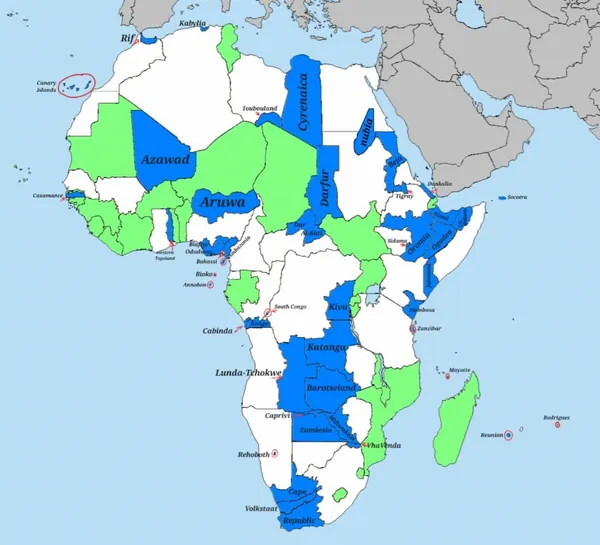
Quasi-federal systems in Africa show how constitutions balance regional autonomy with central authority, providing legal frameworks for shared governance.
Analyst examining the trends and insider data shaping investment, enterprise, and development across Africa.
Quasi-federal systems in Africa show how constitutions balance regional autonomy with central authority, providing legal frameworks for shared governance.
Africa’s legally defined federal systems showcase how constitutional autonomy, governance structures, and regional authority shape national cohesion and development.
Female literacy in Africa reflects steady social progress, showing how policy consistency and education reform continue to reshape learning outcomes.
Peter Njonjo transformed Twiga Foods into a leading Pan-African food-tech supply chain company, connecting over 17,000 farmers to thousands of retailers and helping reduce the cost of some fresh produce by up to 15%.
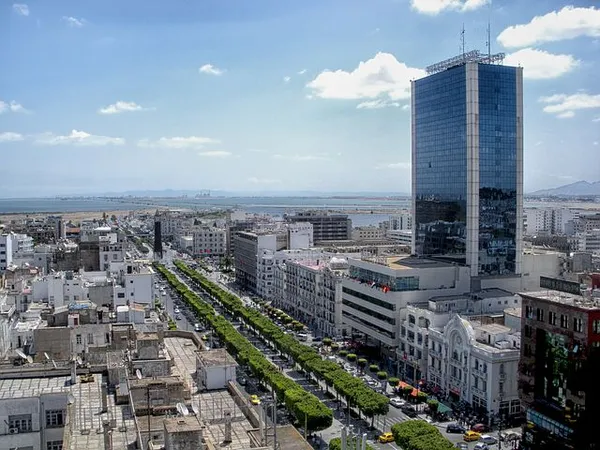
Africa’s highest-purchasing-power cities reflect structured income bases, strong formal employment, and financial systems that cushion households against inflation and currency fluctuations.
Ham Serunjogi, a Ugandan entrepreneur, co-founded Chipper Cash in 2018. Chipper Cash now operates across Africa and beyond, having raised over $300 million and driving pan-African payments.
Across Africa, early 2025 brought cabinet shifts driven by elections, reform agendas, and stability efforts, shaping policy direction and signalling fresh governance priorities.
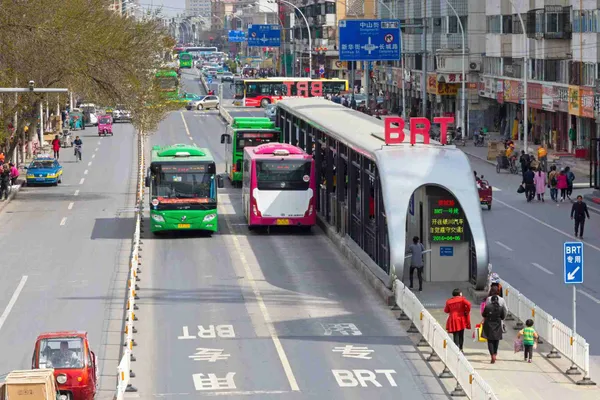
Africa’s mid-2025 traffic data reveals rising congestion, shifting commuter patterns, stalled road expansion in key hubs, and steady growth in structured mobility systems.
Paystack revolutionized digital payments in Africa by simplifying transactions, enabling thousands of businesses to scale across the continent and beyond.
Africa’s top firms on the LSE, worth £29.8B, reflect a continent redefining global finance through innovation, resilience, and investor confidence.
Andela transformed Africa’s tech landscape by building a Pan-African network of engineers, redefining global talent sourcing through innovation and inclusion.
GB Agboola scaled Flutterwave into a payments infrastructure that commands a US$31 billion annual volume, enabling commerce across more than 35 countries.
IMF projections for 2026 indicate that Africa’s largest economies are expected to strengthen through structural reforms, diversification, and improved macroeconomic stability.
Africa’s largest standing forces reveal strategic priorities, regional influence, and state capacity, reflecting defense, security, and historical investment patterns.
Moniepoint, led by Tosin Eniolorunda, powers over $22 billion in monthly transactions, driving Nigeria’s SME growth and reshaping Africa’s fintech economy.
Corporate tax rates across Africa in 2025 reveal a continent balancing revenue mobilization with the need to attract investment, reflecting diverse fiscal philosophies and governance priorities.