Table of Contents
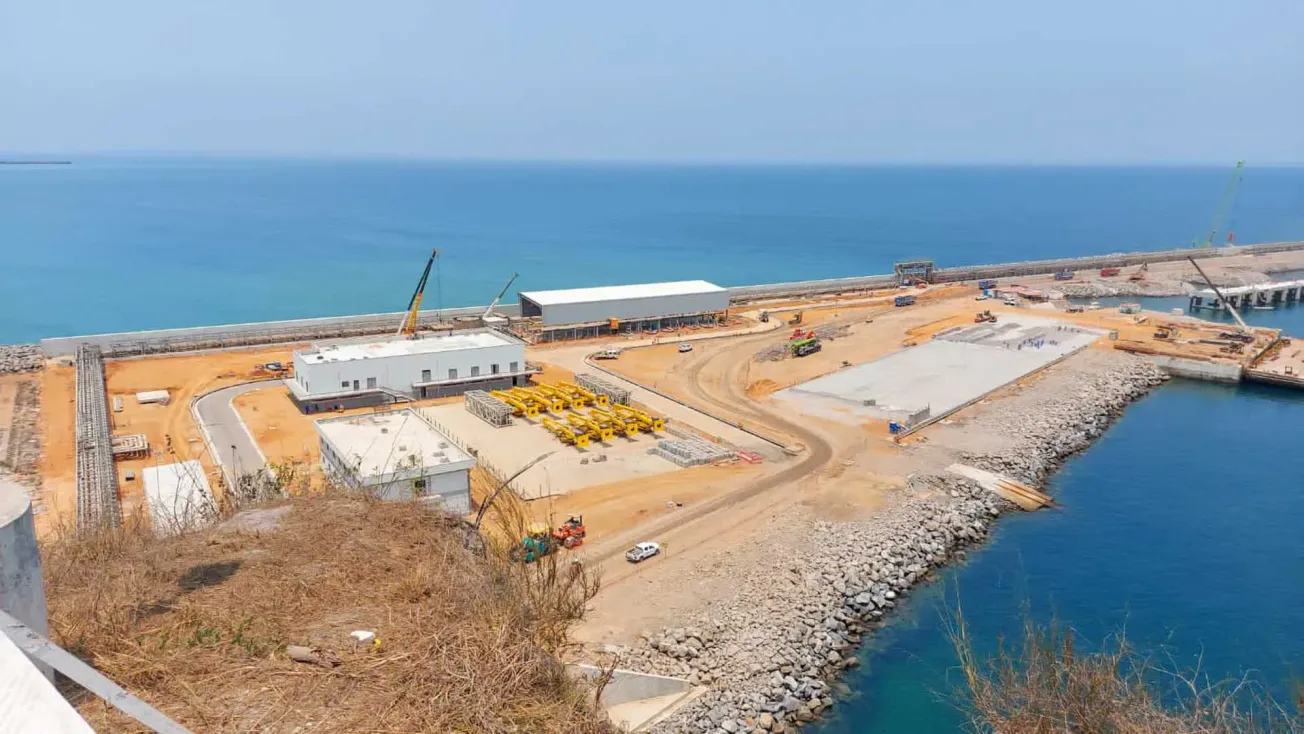
Last February, Angola inaugurated a major energy and bulk cargo terminal at Barra do Dande Ocean Terminal, a $642-million infrastructure project designed to expand the country’s maritime logistics capacity. Officials described the facility as a “hydrocarbons and bulk logistics hub” capable of receiving large tankers and storing millions of barrels of petroleum products. The project has been framed as a step toward turning Angola into a regional trading gateway for energy and bulk commodities.
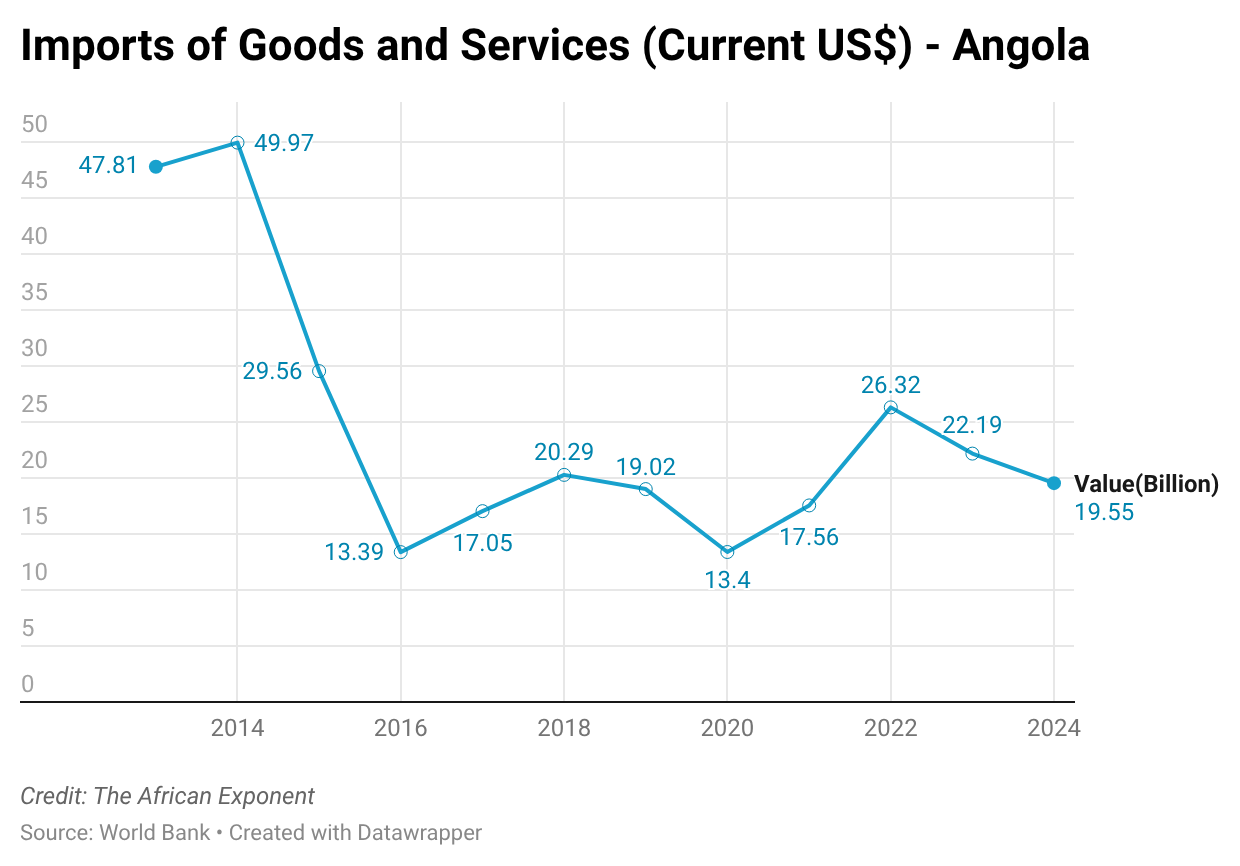
Angola’s existing port system, particularly the Port of Luanda has long struggled with congestion, limited berths, and weak inland connectivity. Ships can face multi-day delays before securing a berth at the Port of Luanda, with some estimates placing pre-berth waiting times at up to six days, according to reports. In some cases, operators offload cargo at the Port of Walvis Bay in Namibia and truck goods hundreds of kilometres into Angola instead. The launch of Barra do Dande therefore raises a fundamental market question: does the terminal meaningfully change Angola’s logistics economics, or does it mainly serve a narrow segment of the oil industry?
What Does the Terminal Actually Handle?
The Barra do Dande project has been positioned primarily as a petroleum storage and logistics terminal. The facility includes large-scale storage tanks designed to hold refined petroleum products and a long jetty capable of accommodating large tankers. The terminal is closely tied to Sonangol, Angola’s national oil company, which plays a central role in the country’s fuel import and distribution system.
This distinction matters because hydrocarbon storage infrastructure does not automatically translate into a diversified bulk logistics hub. Bulk cargo facilities typically handle commodities such as grain, fertilizer, cement, or mineral concentrates. Those cargo types require specialised handling equipment, conveyor systems, and logistics networks different from petroleum storage.
Data from UN Comtrade shows that Angola’s trade remains heavily concentrated in crude oil exports and refined fuel imports. Non-oil bulk imports, such as cereals, fertilisers, and construction materials still rely largely on the Port of Luanda. If Barra do Dande primarily functions as a fuel storage terminal tied to Sonangol’s operations, its role in broader regional logistics flows may remain limited.
How Do Goods Move In and Out by Land?
A port’s strategic value depends on how efficiently cargo moves between the terminal and inland markets. In Angola, road infrastructure has long been a constraint. According to the World Bank, Angola’s road network spans roughly 76,000 km, but only a small fraction is paved, with much of the secondary and tertiary network becoming difficult to traverse during the rainy season. This limited inland connectivity remains a structural constraint on efficient cargo movement and logistics across the country, contributing to long-standing logistics bottlenecks around major ports.
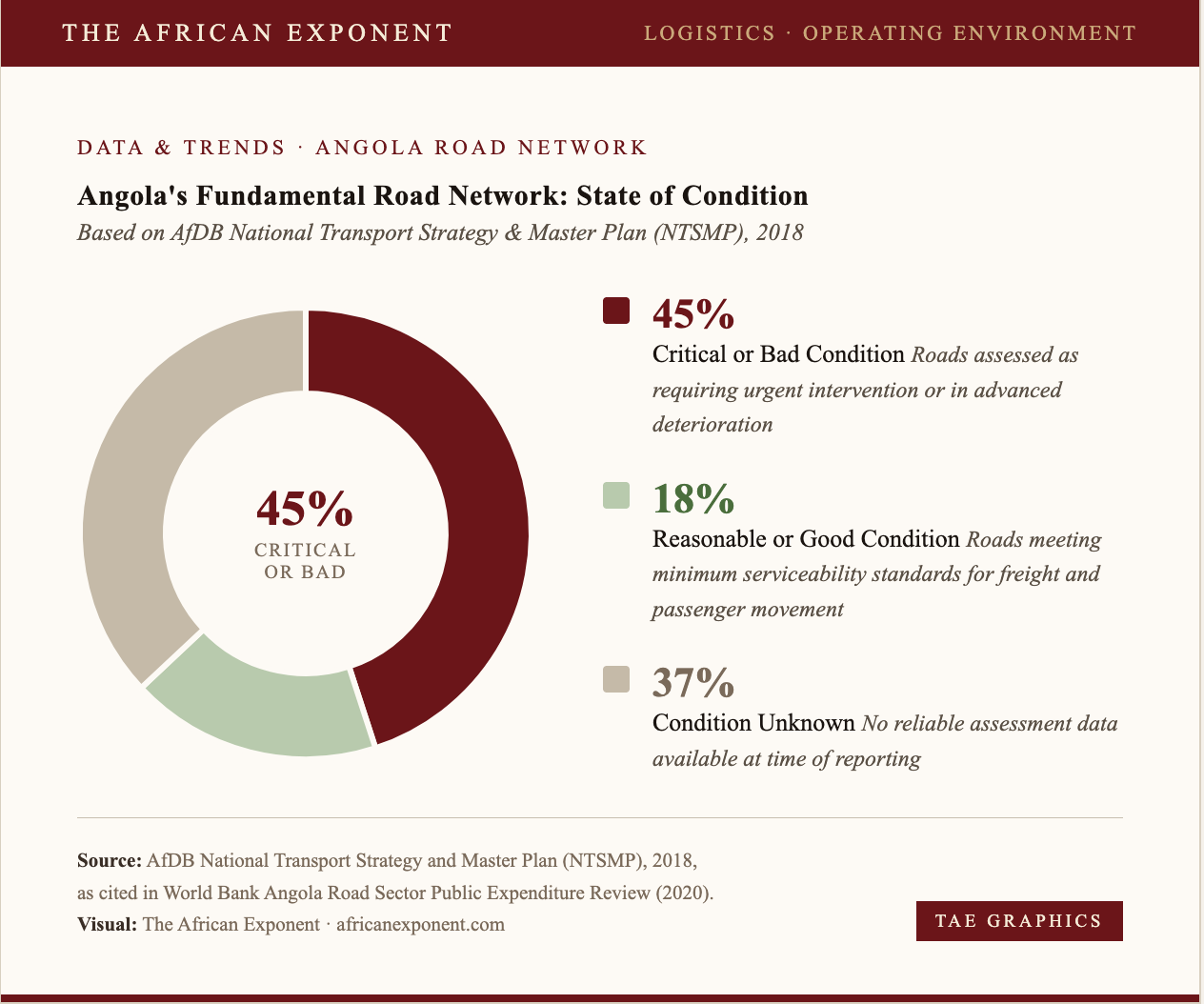
However, the immediate road connection to the Barra do Dande Ocean Terminal appears stronger than national averages suggest. Angola’s EN100 Coastal Highway, which runs along the Atlantic coastline, forms the main north–south corridor linking Luanda with other coastal provinces.
Independent infrastructure assessments by the World Bank note that the western coastal road corridor in Angola is generally in better condition than inland routes, suggesting trucks leaving Barra do Dande could move cargo toward Luanda and nearby markets, though inland connectivity remains a constraint.
Since opening in 2025, the Barra do Dande Ocean Terminal has functioned primarily as a coastal logistics node, with most activity focused on handling petroleum products and fuel imports destined for the Luanda metropolitan market rather than serving long‑distance inland trade. Initial cargo flows and operator reports indicate limited evidence of sustained general cargo moving deep into the country through inland corridors such as the EN100.
This pattern reflects Angola’s existing transport landscape: while the coastal corridor linking Barra do Dande to Luanda is comparatively navigable, road quality drops sharply beyond the coastal belt, especially outside dry seasons, making inland freight movements more challenging. As a result, cargo to central and southern Angola still favours the Port of Luanda and the Lobito Corridor, leaving Barra do Dande primarily a coastal distribution hub.
How Does It Fit With the Lobito Corridor?
Angola’s most strategically significant logistics investment is arguably the Lobito Corridor. This railway and port system connects the Port of Lobito on the Atlantic coast to mineral-producing regions in Democratic Republic of the Congo and Zambia.
Backed by the African Development Bank and international partners, the corridor is being upgraded to support the export of copper, cobalt, and other strategic minerals from Central Africa. Analysts see it as one of the most important emerging trade routes on the continent, potentially providing a shorter Atlantic export route for minerals currently shipped through southern or eastern African ports.
In that context, Barra do Dande appears to serve a different logistics role. While the Lobito Corridor is designed for mineral exports and regional transit trade, Barra do Dande primarily supports the energy supply chain.
Who Paid for It — and Who Controls Access?
Infrastructure financing can affect who ultimately controls a facility. The Barra do Dande Ocean Terminal was developed at a reported cost of $642 million, with financing linked to Angola’s energy sector and state-backed investment structures.
The financing of large-scale projects like Barra do Dande often shapes who controls access. The terminal is primarily developed by Sonangol, with engineering and construction managed by a consortium including China National Chemical Engineering Company (CNCEC) and Sinopec Engineering Group. The Angolan government has approved 434 billion kwanzas (≈$640 million) to complete the project, covering a substantial portion of the cost, while Sonangol and its partners contribute additional capital and operational expertise. This combined funding structure reflects both strong state backing and strategic involvement from the energy sector, which could influence how third-party operators access the terminal.
If the facility is managed primarily to serve the national fuel supply chain, it may function more as strategic energy infrastructure than as a commercially competitive logistics hub open to multiple shipping lines. Conversely, if tariffs, berth access, and storage capacity are offered on transparent commercial terms, the terminal could gradually evolve into a broader regional gateway.
The Real Test: Can this Initiative Change Trade Economics?
The launch of Barra do Dande highlights Angola’s ambition to modernise its logistics infrastructure and reduce pressure on the congested Port of Luanda. But the difference between a new terminal and a true trade hub ultimately comes down to market behaviour.
For the Barra do Dande Ocean Terminal to function as a true regional hub, it needs to combine operational efficiency, competitive pricing, and inland connectivity. Since opening, the terminal has already reduced offshore waiting times significantly by adding 580,000 cubic meters of onshore storage and a 1,700-meter jetty, allowing multiple large vessels to offload simultaneously, ending the weeks-long delays seen in 2024. Strategic partnerships with global traders including Vitol, Trafigura, Glencore, and TotalEnergies aim to stabilize logistics costs and position the terminal as a competitive bunkering hub for the West African coast. While these developments strengthen coastal operations, the terminal’s ability to influence trade beyond Luanda still depends on improved inland transport connections.
Barra do Dande may represent important progress for Angola’s energy logistics system, but its status as a regional bulk trade gateway will depend on whether businesses actually choose to route cargo through it. In global logistics, infrastructure matters, but the real hub is the port that supply chains cannot afford to bypass.