Table of Contents
Harare, Zimbabwe – In a significant move to stabilize its faltering economy, Zimbabwe introduced a new currency, the ZiG, on Friday, seeking to replace the severely depreciated Zimbabwe dollar that has been marred by inflation and public distrust.
Launch of the ZiG
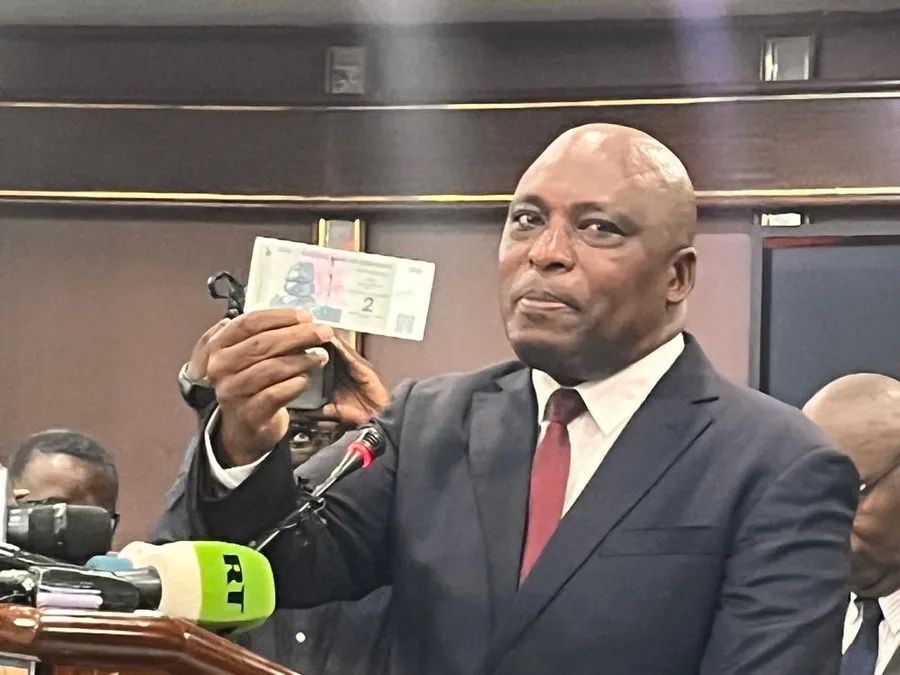
The new currency, named ZiG, is set to be backed by gold reserves and a selection of foreign currencies, marking a strategic pivot in Zimbabwe's approach to resolving its ongoing financial instability. The Reserve Bank of Zimbabwe's Governor, John Mushayavanhu, announced that the ZiG would officially enter circulation on Monday, providing a hopeful outlook for the economic landscape.
Economic Struggles and Currency Depreciation
Zimbabwe's economy has been in a state of turmoil, with the Zimbabwe dollar witnessing a drastic 70% devaluation since January on the official market, and even steeper declines on the black market. Inflation rates have soared, jumping from 26.5% in December to an alarming 55.3% in March, as per the latest statistics.
🟣Dear economic experts,
— Fadzayi Mahere🇿🇼 (@advocatemahere) April 3, 2024
What kind of currency can’t be traded against other currencies? Ask yourself why you can’t change Zimbabwe Dollars at a bureau de change in South Africa, Malawi, Namibia, Zambia - nobody will touch it. Why?
It’s a mess.
We need new leaders.🇿🇼 pic.twitter.com/sojn4zKUts
Many think its an economic disaster.
Resistance to Old Currency and Shifts in Transaction Habits
The depreciation has led to widespread rejection of lower denominations of the old currency, with traders and the public increasingly insisting on transactions in U.S. dollars, which remain legal tender. “We are doing what we are doing to ensure that our local currency does not die," Mushayavanhu explained, emphasizing the dire need for a robust solution.
Zimbabwe new currency.
— Dr A. Mutambudzi (@DrMutambudzi) April 6, 2024
Let us support it for our national good and well being.#EDWorks pic.twitter.com/rD6p21767I
Background of Currency Challenges
This is not Zimbabwe's first currency crisis. The country famously issued a 100 trillion Zimbabwe dollar note in 2009 before temporarily suspending its own currency in favor of the U.S. dollar. Subsequent efforts to reintroduce a local currency in 2016 and alter transaction policies have seen varying levels of success and failure.
Government's Strategic Moves
With the introduction of ZiG, authorities aim to curb the excessive reliance on foreign currencies and stabilize the national economy. Citizens have a three-week window to exchange their old notes for the new ZiG currency, a process that will test the public's trust and the government's fiscal policies.
Conclusion
As Zimbabwe faces this crucial juncture, the success of the ZiG could be a turning point in restoring economic confidence and stability. The nation watches cautiously, hopeful yet aware of the challenging road ahead.