Table of Contents
In Summary:
•Each national park showcases a unique natural phenomenon, from Mole’s unusually calm elephants to the Okavango’s reverse flooding, making them ecological assets found nowhere else on Earth.
• These protected areas support local and national economies by driving tourism revenue, sustaining jobs, and stimulating conservation-linked industries across multiple African countries.
• The parks contribute directly to community livelihoods, cultural identity and long-term environmental security through wildlife protection, ecosystem services and community based tourism models.
Deep Dive!!
Thursday, 11 December 2025 – Africa’s national parks hold some of the most extraordinary natural wonders on the planet, yet many of their most remarkable features remain surprisingly little known outside conservation and scientific circles. From salt pans that can be seen from space to reverse flooding deltas and volcanic landscapes that glow with molten lava, these protected areas showcase ecological and geological marvels that challenge conventional understanding. Verified 2024 and 2025 conservation reports reveal that several of these parks carry unique characteristics found nowhere else on Earth, shaped by rare wildlife behaviour, unusual climatic cycles and long standing conservation histories.
At the same time, these parks serve as living laboratories where scientists continue to study evolving ecosystems, species recovery patterns and long term environmental processes. Their mystery and grandeur lie not only in dramatic landscapes or large wildlife populations but also in the scientific puzzles they still hold, from unexplained migration dynamics to unusual animal behaviour shaped by generations of human coexistence. This article highlights ten of the wildest and most fascinating national parks across the continent, each offering a blend of verified data, ecological significance and features that continue to captivate researchers, conservationists and travellers.
10. Mole National Park, Ghana
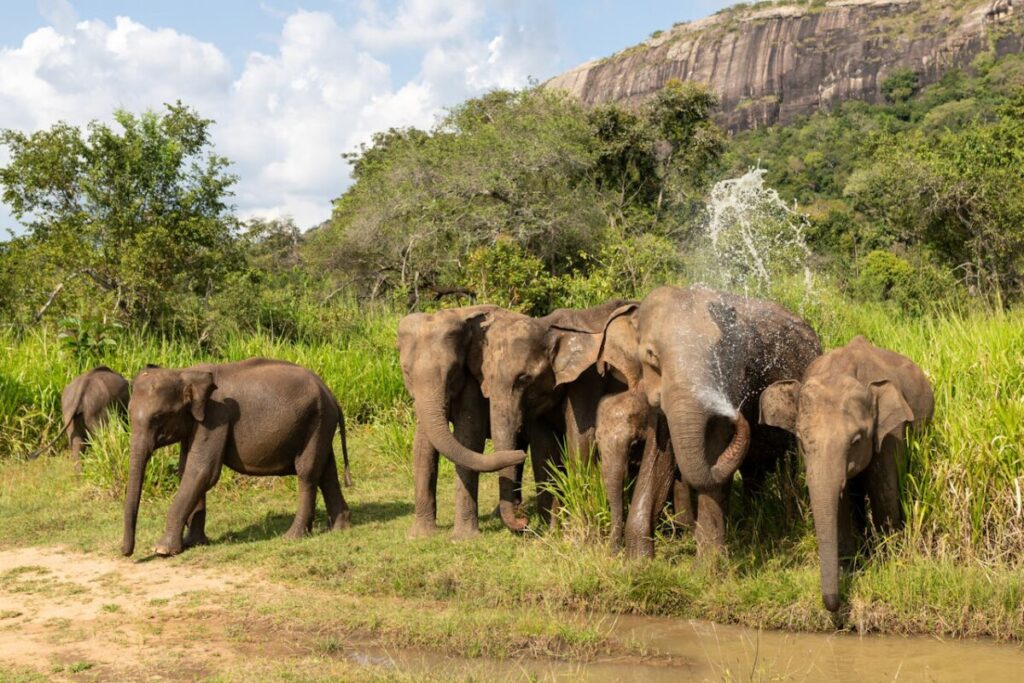
Mole National Park continues to stand out in West Africa because of its unusually calm and human-tolerant elephant population. The Ghana Wildlife Authority’s 2024 ecological activity report highlights that decades of non-hunting policies and sustained community conservation have reduced defensive behaviour among Mole’s elephants. As a result, the park showcases an exceptional level of coexistence between wildlife and people, a feature rarely seen in other savannah ecosystems where elephants tend to be more cautious or aggressive due to historical poaching pressure.
This unique behavioural pattern makes Mole one of the few places on the continent where visitors can safely participate in guided walking safaris that include close contact with wild elephants. Wildlife specialists attribute this friendliness to a combination of stable habitat conditions, minimal human-elephant conflict and long-term ranger presence. By 2025 Mole had become a reference point for behavioural studies focused on elephant stress levels and human interaction tolerance in protected landscapes.
9. Akagera National Park, Rwanda
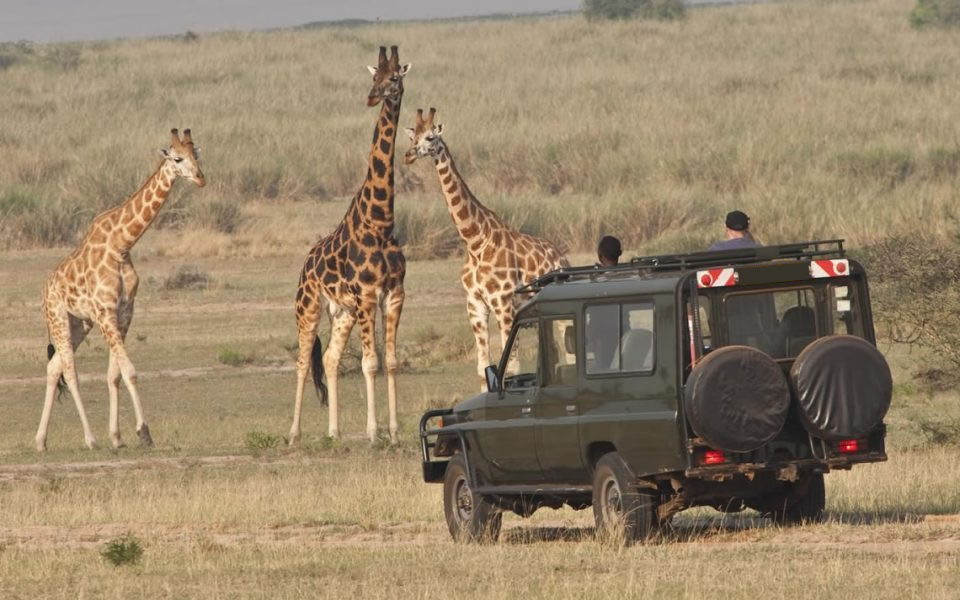
Akagera’s transformation remains one of the most significant conservation success stories on the African continent. African Parks Management reported in 2024 that wildlife populations in Akagera had grown by more than 330 percent since 2010, reversing decades of severe decline caused by conflict and habitat degradation. Species such as lions and rhinos, which were once completely absent, have now re-established strong breeding groups due to carefully managed reintroductions and intensive ecological monitoring.
The park’s balanced predator-prey system is now frequently cited in conservation journals as an example of effective long-term restoration. By 2025 Akagera’s recovery had contributed to Rwanda’s growing reputation as a leader in sustainable conservation and high level ecotourism quality. Visitor numbers increased steadily, and communities surrounding the park gained significant revenue through employment, support projects and tourism-linked enterprises.

8. Hwange National Park, Zimbabwe
Hwange National Park continues to host Africa’s largest single elephant population. Updated figures from the 2024 Great Elephant Census estimate between 45,000 and 50,000 elephants within the park and surrounding migratory landscapes. This density is far greater than that of most other African elephant ranges, making Hwange an unparalleled site for research on large herd dynamics, migration patterns and resource-driven movement.
During the dry season waterholes become hubs of animal activity, often attracting thousands of elephants at once. These massive congregations create some of the most dramatic wildlife scenes anywhere in the world and are frequently referenced in scientific and tourism reports. By 2025 infrastructure improvements and enhanced conservation patrols supported the park’s ability to manage such large populations without major human conflict or ecological collapse.
7. Virunga National Park, DR Congo
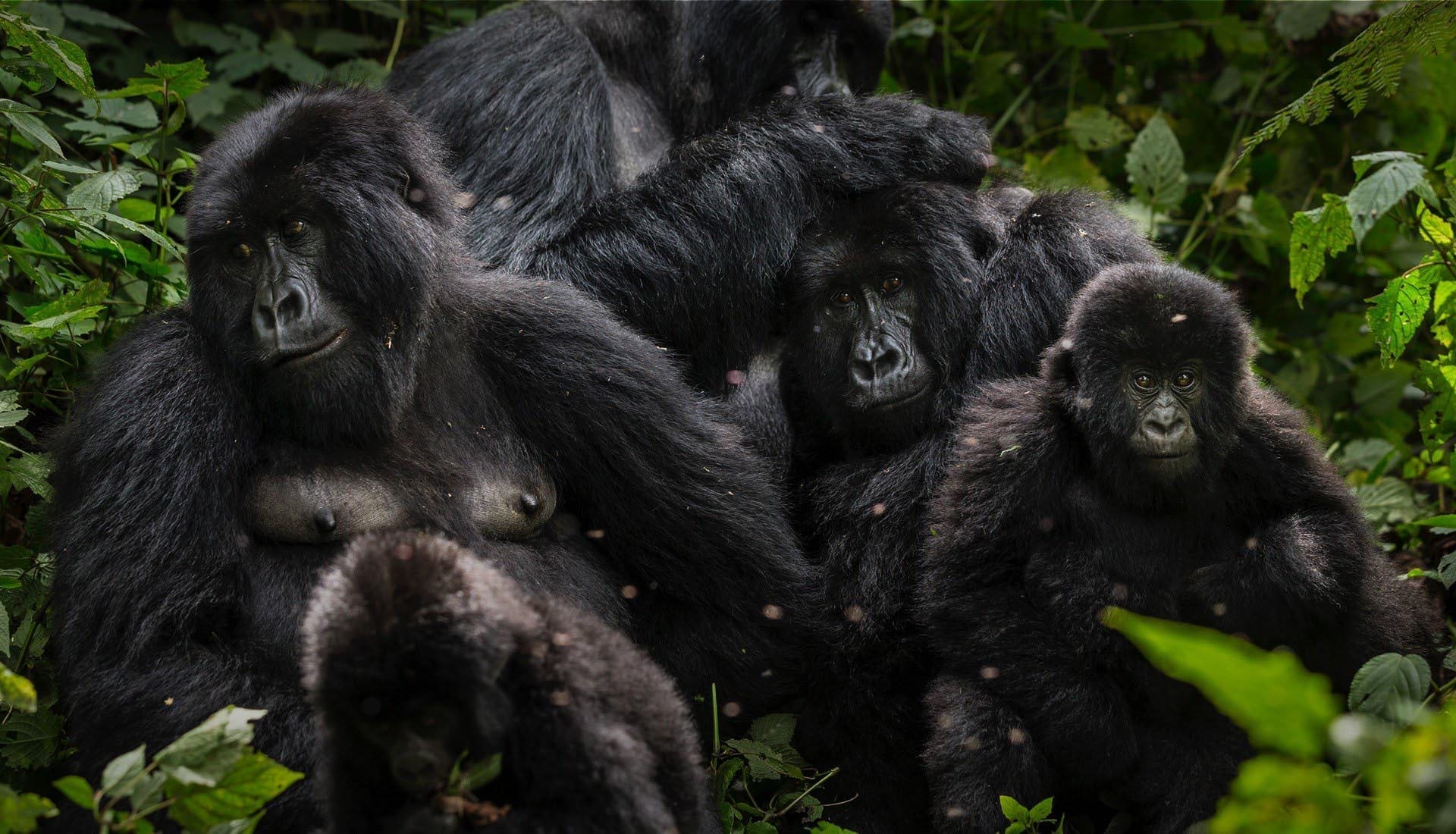
Virunga National Park is globally unique because it contains two active volcanoes, Nyiragongo and Nyamuragira. Reports from the Goma Volcano Observatory confirm continuous monitoring and frequent thermal activity between 2024 and 2025. Nyiragongo’s lava lake remains one of the largest and most stable known lava lakes on Earth, making Virunga a central site for volcanic research and geological observation.
The coexistence of active volcanism with rich biodiversity creates a park ecosystem unlike any other. Despite ongoing security challenges, Virunga retains significant conservation value and supports species such as mountain gorillas, forest elephants and rare birdlife. The scientific community continues to use the park as a living laboratory for studying how volcanic landscapes shape ecological adaptation and habitat formation.

6. Serengeti National Park, Tanzania
The Serengeti remains unmatched in scale due to the annual movement of over 1.3 million wildebeest and about 500,000 zebras across the Serengeti-Mara ecosystem. UNESCO’s 2024 ecological assessment reaffirmed that this remains the largest land mammal migration on the planet. The predictable cycle of grazing, calving and river crossings continues to draw global scientific attention due to its complex interaction with climate patterns and predator pressure.
Beyond its biological importance, the migration plays a critical role in Tanzania’s tourism economy. By 2025 the Serengeti continued to rank among Africa’s top earning protected areas. Airstrips, lodges and conservation programs surrounding the ecosystem provided thousands of jobs and supported research programs focused on predator hunting patterns, grassland regeneration and herd health dynamics.
5. Etosha National Park, Namibia
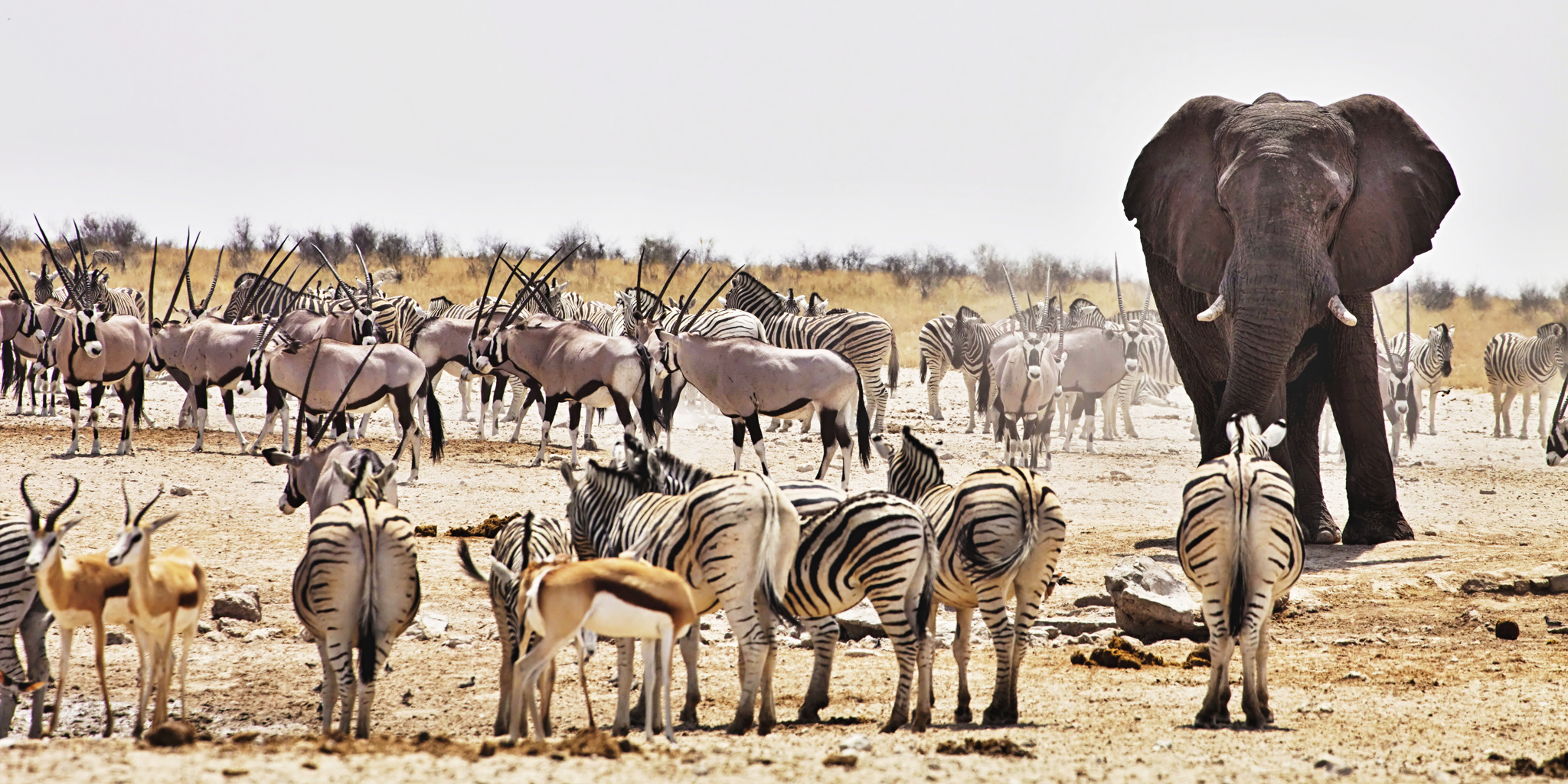
Etosha’s most iconic feature is its immense salt pan covering roughly 4,800 square kilometres. NASA’s 2024 satellite imagery publications confirm that the pan is clearly visible from orbit, making it one of Africa’s most striking geological formations. During the rainy season the pan collects shallow water which transforms it into a temporary lake system that attracts spectacular numbers of flamingos and other migratory birds.
The park’s unique geography also shapes its wildlife patterns. Etosha’s open plains make game viewing exceptionally reliable, allowing visitors to observe species including lions, black rhinos and large antelope herds around permanent waterholes. By 2025 ongoing habitat monitoring projects continued to study the ecological relationship between groundwater availability and wildlife distribution across this semi-arid environment.
4. South Luangwa National Park, Zambia
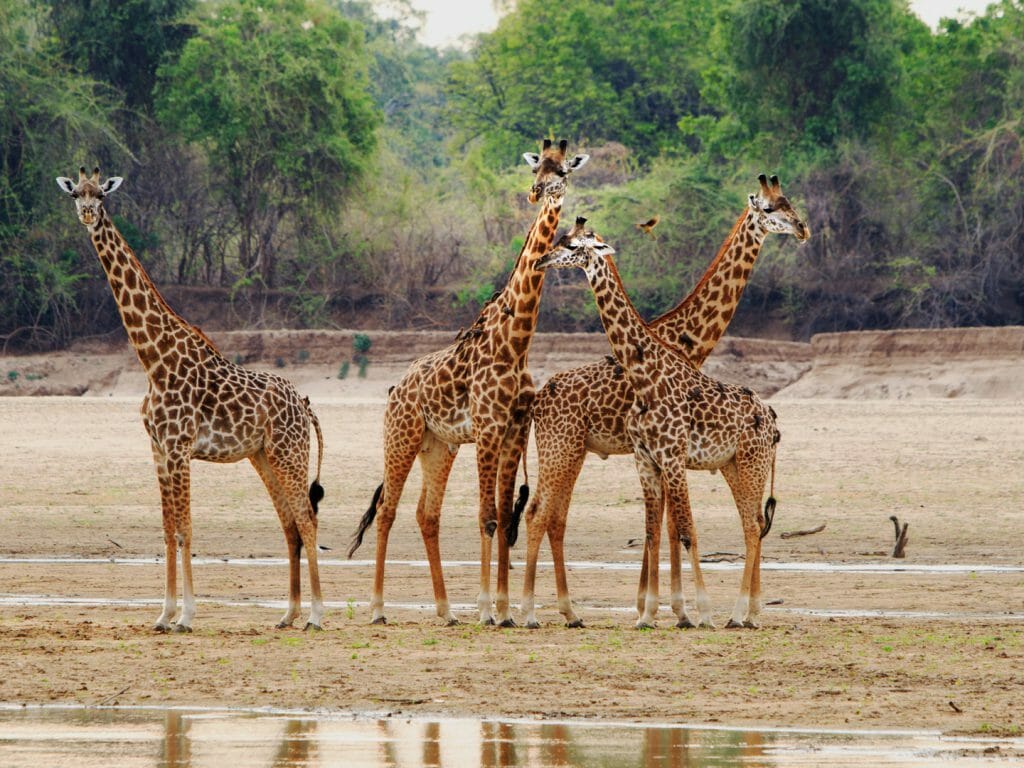
South Luangwa holds a central place in African safari history because it is widely recognised as the birthplace of the modern walking safari. Historical records from the Zambia Tourism Authority show that Norman Carr first pioneered structured walking experiences here in the 1950s, setting a precedent that gradually influenced safari operations across the continent. The park remains one of the few locations where walking safaris are still considered the primary form of wildlife exploration.
By 2025 South Luangwa continued to stand out due to its strong conservation outcomes and high predator density. Leopards in particular are frequently observed, supported by healthy populations of impala, puku and other prey species. The walking experience allows travellers to engage with the ecosystem at a deeper level, observing spoor, plant life and behavioural signs that are not always noticeable from a vehicle.

3. Maasai Mara National Reserve, Kenya
The Maasai Mara remains Africa’s most significant stronghold for big cat populations. Results from the 2024 Mara Predator Census confirmed between 850 and 900 lions in the greater Mara ecosystem, along with exceptionally high densities of leopards and cheetahs. These figures make the reserve one of the most predator rich areas in the world, drawing researchers studying hunting strategies, territorial behaviour and cub survival.
This ecological richness also drives economic activity. The Mara’s wildlife viewing reliability and its position within the wildebeest migration route have made it a cornerstone of Kenya’s tourism economy. By 2025 collaborative conservation programs between researchers, communities and conservancies helped stabilise predator numbers while also generating income for local landowners participating in community conservancy agreements.
:max_bytes(150000):strip_icc()/GettyImages-104329693-5a27e55e980207003656238e.jpg)
2. Kruger National Park, South Africa
Kruger National Park retains its status as the most biodiverse big game reserve globally. SANParks’ 2024 biodiversity index recorded over 500 bird species, 147 mammal species and more than 114 reptile species, along with thousands of plant varieties. This diversity results from Kruger’s varied geology, multiple vegetation zones and extensive conservation management that spans nearly two million hectares.
By 2025 Kruger played a pivotal role in scientific monitoring across southern Africa, particularly in disease surveillance, elephant movement studies and climate-change modelling. Its extensive road network and research facilities have made it a leading destination for comparative ecological studies. The park’s size and species variety offer insights into ecosystem management that influence wildlife policies across the continent.
1. Okavango Delta, Botswana
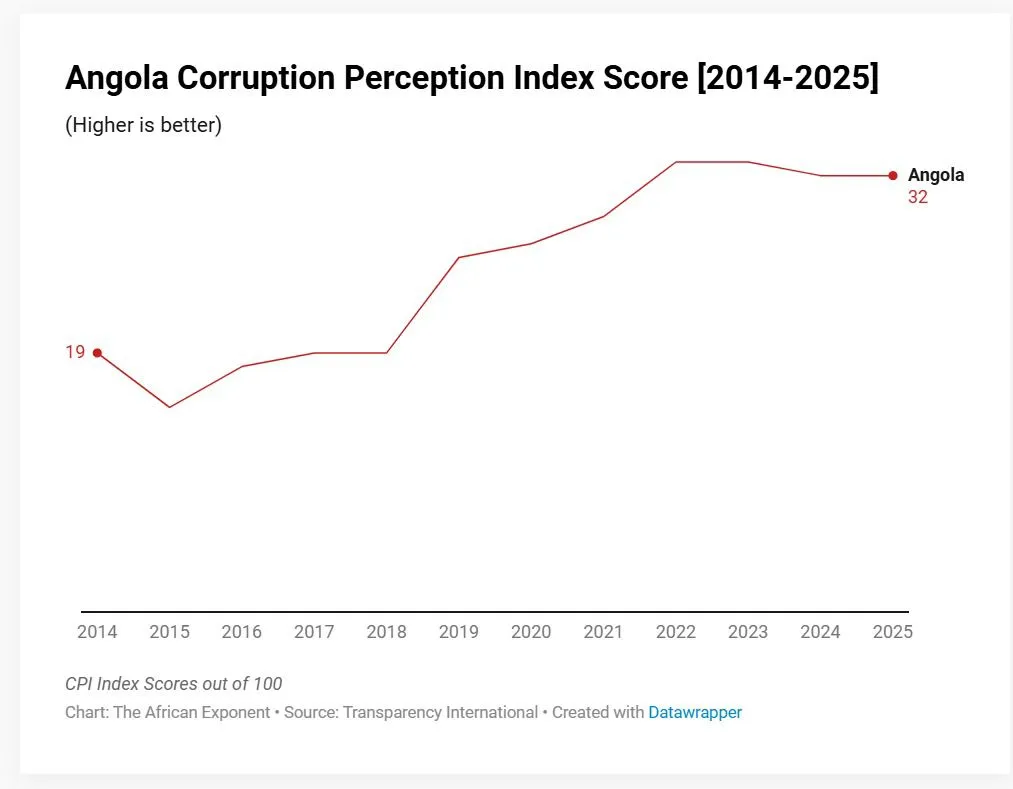
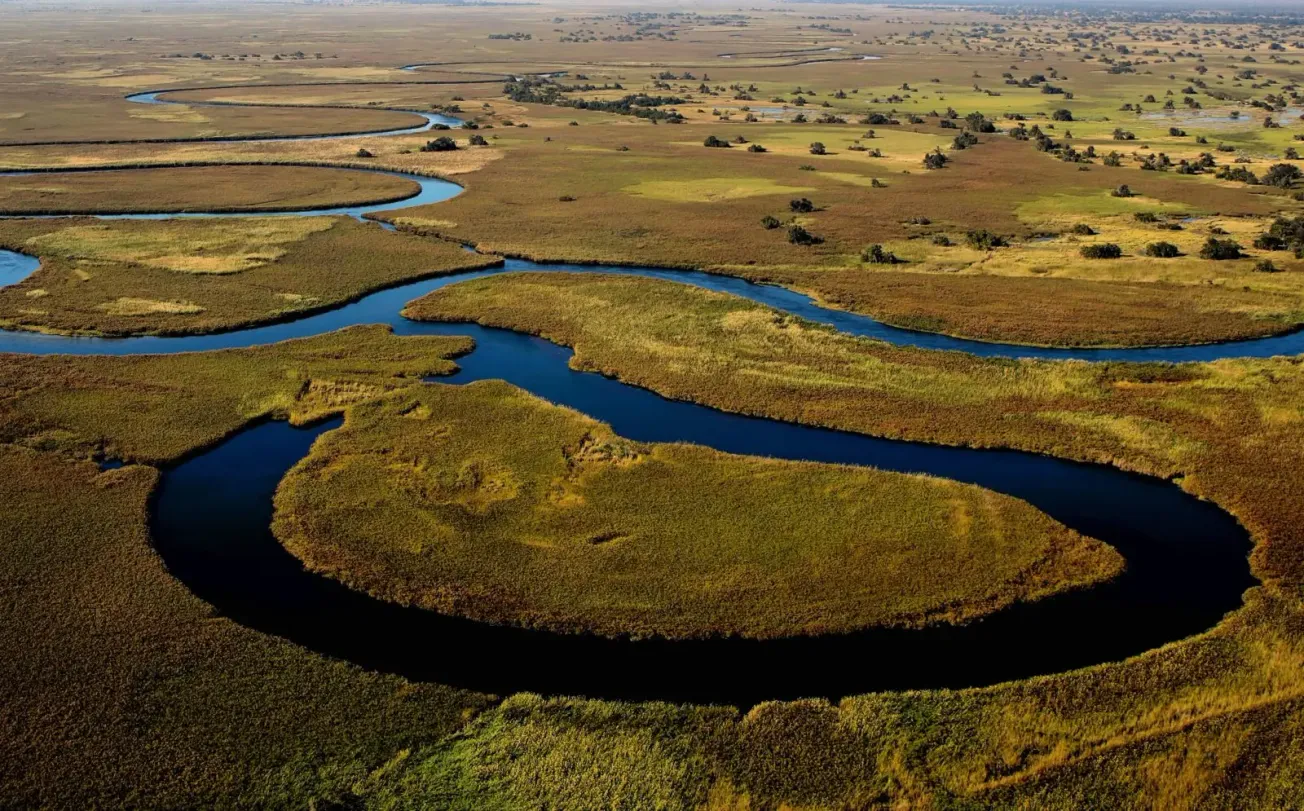
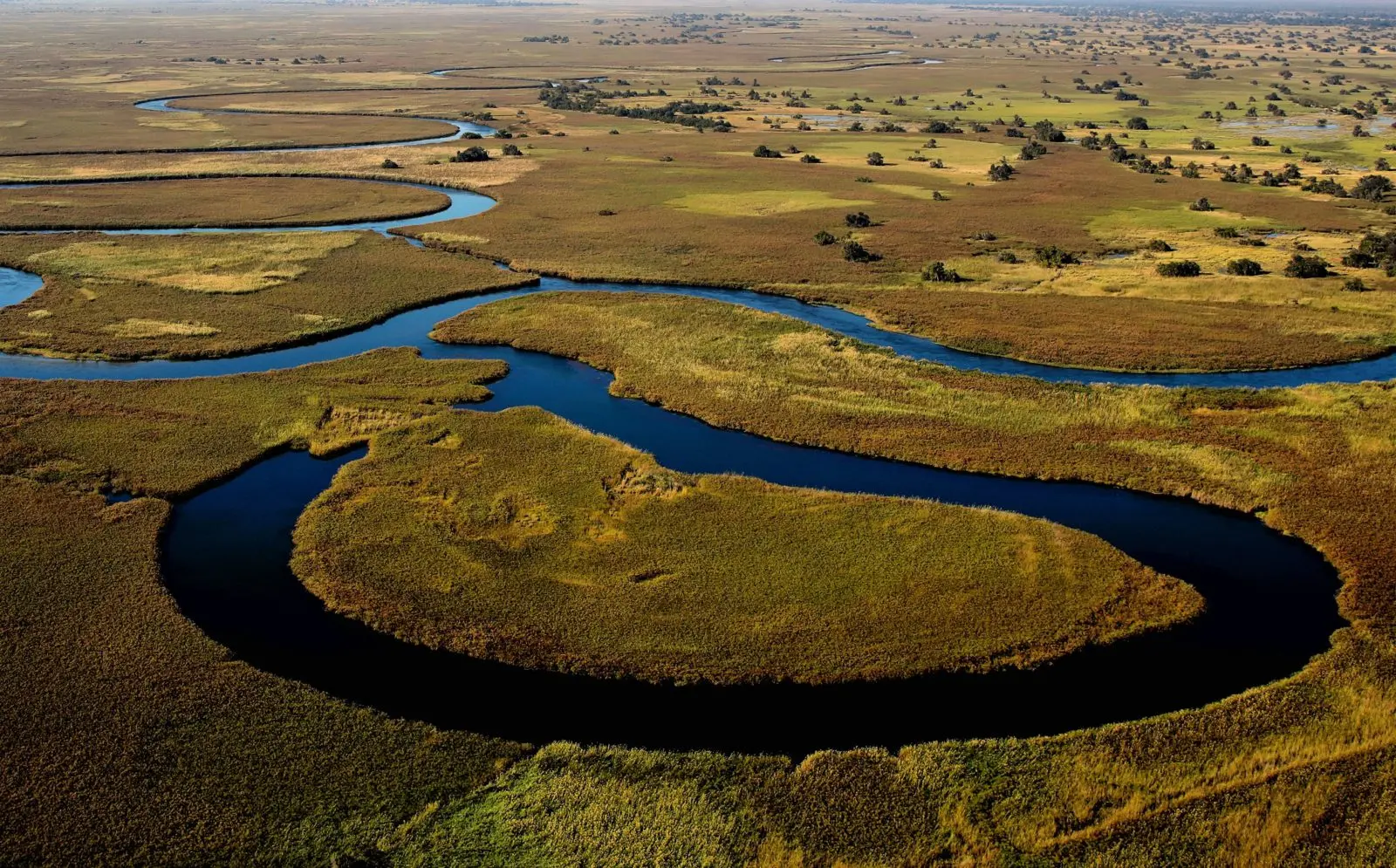
The Okavango Delta ranks first due to its extraordinary hydrology and ecological richness. A 2025 UNESCO hydrology review confirms that the delta floods during Botswana’s dry season because its water originates from rainfall in Angola months earlier. This reverse cycle creates a thriving wetland at a time when other parts of southern Africa become water stressed, supporting a high density of elephants, lions, wild dogs, hippos and more than 400 bird species.
The delta’s flood pulse drives a complex web of ecological interactions. Seasonal water channels, islands and floodplains form dynamic habitats that shift every year, making the Okavango one of the most studied wetlands in the world. By 2025 its status as a UNESCO World Heritage Site and Ramsar wetland had strengthened international funding for anti-poaching, hydrological monitoring and community based conservation. The delta remains a global model of how water systems shape biodiversity at landscape scale.
We welcome your feedback. Kindly direct any comments or observations regarding this article to our Editor-in-Chief at [email protected], with a copy to [email protected].