Table of Contents
In Summary
- Crime index scores track both reported incidents and public perceptions of safety across African states.
- Economic pressure, conflict, and policing shortages are key contributors to rising insecurity.
- Government reforms, community policing, and economic recovery will determine 2026 outcomes.
Deep Dive!!
Lagos, Nigeria, Friday, January 9, 2026 - Public safety remains one of the most significant indicators of a nation’s social and economic stability, and the crime index is one of the most widely referenced tools for understanding this reality. The crime index aggregates several elements that affect personal security including burglary, street robbery, kidnapping, homicide, online fraud, and organised criminal activity. It also measures how safe residents feel in their day-to-day lives, blending statistical incident reports with public perception. For many African cities and rural communities, these indicators help illustrate not only where crime is prevalent, but also why it persists and how deeply it shapes daily living conditions.
The start of 2026 presents a complex safety landscape across Africa. Countries differ widely in their experiences, with some facing instability linked to internal conflict, militia activity, or terrorism, while others deal primarily with urban gang violence, petty theft, and socio-economic pressures.
Rapid population growth, limited employment opportunities, widening income gaps, and overstretched security agencies are recurring patterns. In several national contexts, law enforcement capacity has not kept pace with either demographic expansion or the sophistication of criminal networks. These trends influence a nation’s crime index score and demonstrate how structural pressures often feed into insecurity.
Understanding which states record the highest crime index scores in Africa at the start of 2026 (according to Numbeo) enables readers, analysts, investors, and policymakers to evaluate broader governance challenges. The figures disclose national vulnerabilities across policing, justice systems, border security, and social welfare.
This review explains why certain countries rank where they do and outlines observable reasons historical, economic, demographic, and political that shape their position. Readers should expect factual, data-aware analysis that links crime to real conditions on the ground, sets out what drives each nation’s score, and considers how 2026 could unfold depending on reforms, stability, and economic progress.
10. Libya
Libya’s crime index score of 55.8 reflects a country where public safety is shaped as much by politics as by criminal activity. Since the collapse of central authority in 2011, Libya has struggled to build a unified security structure capable of enforcing law consistently across its territory. Several regions function under overlapping systems of power, which means policing is fragmented and frequently disputed between rival command chains. In a country where national agencies do not exercise full control, residents often rely on informal security arrangements, militias, or community groups for protection and this lack of institutional authority becomes a major factor driving the crime index upward.
A defining element of Libya’s high ranking is the persistence of armed groups operating independently of the state. Militias remain deeply entrenched across the western, southern, and eastern regions, with many controlling checkpoints, neighbourhoods, or trade routes. These groups can facilitate black-market economies, and their presence means that firearms circulate widely. In such an environment, ordinary crimes, such as burglary, armed robbery, carjacking, and kidnapping are more frequent and harder to deter because perpetrators often operate in areas where state enforcement is either absent or contested. The absence of a stable justice system also slows prosecution, leaving little deterrent against repeat offenders.
Economics also plays a direct role in Libya’s crime score. Despite significant oil reserves, the country faces restricted economic participation and uneven revenue distribution, especially outside Tripoli. Young people in particular face limited employment opportunities in the formal economy, and informal activity including smuggling, illicit fuel trade, and human trafficking networks becomes a survival strategy for some communities. These conditions reinforce a cycle where criminal economies develop faster than legitimate structures.
Looking forward through 2026, Libya’s ability to reduce its crime index depends primarily on governance consolidation rather than short-term policing campaigns. Efforts to unify the military under a single national command, restart stalled political dialogue, and extend the authority of state institutions into militia-controlled regions will determine how quickly security conditions stabilize. International partners have talked about supporting judicial reform and security sector restructuring, but progress requires internal consensus. If dialogue succeeds and local institutions gain legitimacy, Libya can gradually shift from militia-dominated security to coordinated policing, a transition that would lower perception-driven fears and reduce measurable crime rates across the country.
9. Zimbabwe
Zimbabwe’s crime index score of 60.4 reflects a country where insecurity is fuelled not only by criminal actors but also by long-running economic strain. The most visible crimes reported across Harare, Bulawayo, Gweru, and other urban centres are petty theft, burglary, pickpocketing, cable stealing, and occasional armed robbery. These incidents trace back to widespread unemployment and limited income opportunities, especially among young adults. Zimbabwe’s formal labour market has shrunk over the years, pushing many citizens toward informal trading, street vending, and unstable day-to-day earnings. In such environments, any economic disruption whether currency swings, inflation, or fuel shortages heightens the risk of opportunistic crime, making ordinary residents more vulnerable.
A second factor that shapes Zimbabwe’s crime index is the strain on policing systems. While the Zimbabwe Republic Police operates across all provinces, budget constraints and understaffing mean that officers are often deployed reactively rather than preventively. This limitation leaves many neighbourhoods with minimal visible security or response support. The shortage of investigative resources also affects the prosecution pipeline; cases take longer to resolve, and community trust in the justice process has deteriorated as a result. When residents believe offenders can commit crimes without consequence, the perception of insecurity increases sharply, feeding into the overall crime index even before official case data is fully recorded.
Zimbabwe’s economic environment adds another layer to crime dynamics. The country’s multi-currency system, fluctuating inflation rate, and persistent shortages of essential commodities make daily life unstable for millions. Farmers, miners, and small business owners face risks linked to theft of equipment, livestock, or harvested goods, particularly in rural districts. These incidents rarely reach national statistics but significantly influence how unsafe communities feel. Additionally, as public utilities struggle with frequent power cuts and water access challenges criminal networks exploit weakened infrastructure. Metal theft from power lines, vandalism of transformers, and illegal mining disputes have all become more common forms of community-level conflict, illustrating how crime adapts to economic pressures.
Zimbabwe’s outlook in 2026 depends on a combination of governance and economic reforms. As authorities work toward monetary stability and court-backed anti-corruption measures, the state could gradually regain the capacity to enforce the law more consistently. Community policing and neighbourhood watch models have already emerged organically in several towns, demonstrating that safety improvements can begin from the grassroots when formal systems are slow to respond. If job creation initiatives expand particularly in manufacturing, agriculture, and energy the pressure pushing young people into opportunistic crime could ease. However, without sustained economic growth and deeper institutional strengthening, the country’s crime index is likely to hover at elevated levels through the medium term, reflecting both persistent realities and public anxiety around safety.
8. Mozambique
Mozambique’s crime index score of 61.0 is shaped by two security realities operating simultaneously ordinary urban crime and armed conflict in the northern provinces. In Maputo, Beira, and Nampula, residents report frequent theft, car break-ins, mobile phone snatching, and home invasions, all of which reflect an expanding urban population that has outpaced job creation. Informal settlements around major cities have grown rapidly over the last decade, placing a strain on social services and deepening income inequality. These conditions create pockets where unemployment and limited policing presence make street crime more common, reinforcing public concern over personal and household safety at the start of 2026.
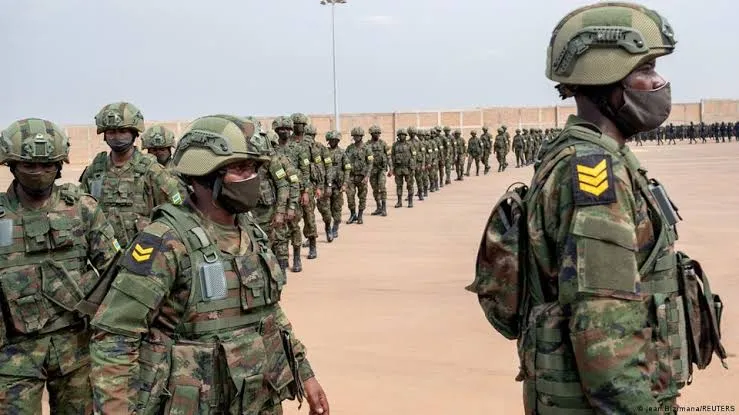
Beyond routine crime, Mozambique faces ongoing violence linked to insurgency activity in Cabo Delgado. Militants aligned with extremist groups continue to attack remote towns, disrupt rural livelihoods, and displace thousands, producing a layer of insecurity that is not typical of many other African countries in this ranking. Mining interests, energy infrastructure, and strategic ports have all been affected, with armed groups sometimes targeting transport routes, businesses, and village centres. This environment not only drives direct casualties and property loss but also expands the criminal ecosystem, as vulnerable communities are forced into illicit economies or flee into overcrowded regions, where policing is already stretched.
Weak institutional structures further explain Mozambique’s high crime index. Police units are distributed unevenly across the country, and officers stationed in remote areas often lack both equipment and mobility, limiting their ability to respond to violent attacks or track organised criminal networks. Even in urban centres, low investigative capacity means that many cases remain unresolved, eroding confidence in the justice system. When citizens feel that reporting crime does not lead to accountability, they are less likely to cooperate with authorities, which in turn allows opportunistic offenders and organised groups to act with greater impunity. This cycle of mistrust and limited enforcement sustains elevated insecurity.
With major natural gas investments underway, Mozambique’s near-term trajectory hinges on whether economic benefits reach communities fast enough to stabilize living conditions. Large-scale development projects in the northern gas corridor could provide jobs, infrastructure, and greater state presence, which historically have helped reduce crime over time. The government has also begun prioritizing security partnerships with regional forces and deploying specialized units to contain insurgent activity. However, lasting progress requires integrating conflict zones back into national administration, investing in local policing, and rebuilding public trust. If these reforms take hold and income opportunities expand, Mozambique’s overall crime burden and public perception of safety could gradually improve as 2026 progresses.
7. Somalia
Somalia’s crime index score of 62.5 in early 2026 reflects one of the most complex security environments in Africa, where everyday criminal activity overlaps with deep-seated conflict and insurgency. In urban centres such as Mogadishu, Kismayo, and Baidoa, residents regularly confront street crime ranging from theft and pickpocketing to carjackings and armed robbery. These incidents often occur against a backdrop of limited effective policing, where formal law enforcement agencies are under-resourced and struggle to maintain a visible deterrent presence. Without a strong institutional capacity to investigate and prosecute criminal cases, local populations increasingly rely on private or community-based protection mechanisms, which can further fragment the rule of law.
Beyond urban crime, Somalia’s security dynamics are heavily influenced by the prolonged activities of extremist groups, most notably Al-Shabaab. This organisation conducts attacks on government facilities, security forces, and public gatherings, and funds its operations through extortion, illegal taxation, and smuggling networks. These activities blur the line between conventional criminality and insurgent violence, making Somalia’s crime index a hybrid measure of both. In rural and semi-urban regions, the presence of these groups disrupts economic activity, displaces families, and creates environments where illicit practices such as charcoal and sugar smuggling become economic substitutes for traditional livelihoods. These compounded pressures amplify perceptions of insecurity among both residents and external observers.
Clan dynamics and competition over limited resources add another layer to Somalia’s crime landscape. Disputes over grazing land, water wells, and local leadership frequently escalate into violent confrontations, particularly in pastoral communities. While not always classified formally as crime, these conflicts contribute to a broader sense of instability that influences how safe individuals feel in their communities. In areas where informal power structures hold sway, enforcement of national laws is inconsistent, and local judgments may follow traditional codes rather than statutory legal systems. Such environments make it difficult to establish uniform standards for crime prevention, reporting, and resolution across the country.
Looking toward 2026, Somalia’s prospects for reducing its crime index depend on coordinated efforts to strengthen both governance and livelihoods. International support for security sector reforms, combined with federal and regional reconciliation initiatives, offers pathways to reclaim territory and extend state services. Investment in community policing, judicial training, and economic development could create alternatives to violence and reduce reliance on informal protection systems. However, lasting improvements will require durable progress against entrenched insurgent networks and sustained commitment to institutional strengthening. Without these shifts, high levels of symbolism and substance in crime perception are likely to persist as significant hurdles to national stability.
6. Namibia
Namibia often appears peaceful from the outside, thanks to its wide open spaces, low population density, and a tourism-driven reputation for calm coastal towns and desert escapes. However, at the start of 2026, the country is contending with a gradual but unmistakable rise in crime, pushing it to a crime index of 63.8. This shift has been most visible in Windhoek and Walvis Bay, where residents now report more break-ins, car thefts, and violent encounters than they experienced even five years ago. The trend has erased Namibia’s long-held perception as one of Southern Africa’s safest enclaves and placed it firmly in the conversation about emerging security hotspots.
A major contributor to this growth in crime is Namibia’s widening socioeconomic inequality. The country’s resource economy especially mining has created small pockets of concentrated wealth, while a large portion of young people continue to face unemployment and limited access to housing or training. This inequality has fed a new wave of opportunistic crime, as well as organized theft networks operating between the capital and coastal towns. Criminal groups exploit this environment by recruiting idle youth and expanding petty crime into more structured attacks, whether through home invasions, street robberies, or market theft.
Cross-border activity also plays a role. Namibia shares open and highly trafficked borders with South Africa, Angola, and Botswana, and these corridors have become conduits for the smuggling of contraband, vehicle theft rings, and drug trafficking. Walvis Bay’s strategic seaport gives Namibia access to international shipping networks, and law enforcement agencies have flagged the coastline as a growing transit route for cocaine and synthetic narcotics entering the Southern African region. These ports and highways have introduced criminal syndicates that operate beyond local policing capacity, making certain crimes more difficult to contain.
A further concern is gender-based violence a deeply rooted challenge that Namibia continues to battle, even as advocacy groups demand stronger protection and legal reforms. Police reporting data and civic protests show increasing frustration with the slow pace of change, and many citizens feel that domestic and sexual violence require the same national urgency as commercial crime. Meanwhile, the Namibian police force is professional and well-trained relative to regional peers, but officers remain understaffed in rural areas, and patrol coverage cannot fully match the country’s vast terrain.
Namibia’s placement at number six is not a reflection of national collapse, but of a security threat expanding faster than the systems meant to stop it. Unlike countries higher on this ranking, Namibia retains political stability and social cohesion. However, the shifts being recorded rising daily theft, more aggressive robberies, and the quiet expansion of transnational crime signal a turning point. Namibia stands at a crossroads: without deliberate long-term investment in policing, youth empowerment, and community support networks, it risks losing the safety reputation it once confidently held.
5. Angola
Angola’s crime index of 65.5 at the start of 2026 reflects a nation grappling with rapid urbanization and uneven economic development. Luanda, the capital, is home to nearly one-third of the country’s population and experiences high rates of property crime, including burglary, vehicle theft, and armed robberies. The city’s urban sprawl has expanded faster than infrastructure and public services, creating dense informal settlements where law enforcement coverage is inconsistent. Residents in these areas often face daily risks, from street-level theft to more organized syndicates operating along transportation corridors and informal markets.
A key driver of Angola’s crime profile is the disparity between oil-driven economic growth and persistent unemployment. While the country’s GDP has expanded through energy exports, wealth distribution remains highly unequal, leaving large segments of the population reliant on informal or unstable income sources. This economic pressure pushes some residents toward petty crime, illicit trade, or participation in small-scale organized networks. The crime index score of 65.5 thus reflects both the frequency of criminal incidents and the underlying socio-economic stressors that make crime a viable survival strategy for many.
Angolan authorities have attempted to respond with increased investment in urban policing, surveillance systems, and community awareness campaigns. However, these efforts are unevenly deployed. Rural areas, which include oil and diamond production zones, often experience minimal law enforcement presence, creating safe havens for criminal activity ranging from theft to smuggling. Moreover, corruption and bureaucratic inefficiencies within the justice system sometimes prevent timely prosecution, allowing offenders to evade accountability, which in turn sustains public fear and contributes to the national crime index.
Looking forward, Angola’s prospects for reducing crime will depend on more than law enforcement alone. Broader strategies addressing youth unemployment, urban infrastructure, and social services are critical to tackling the root causes of criminal behavior. Initiatives aimed at economic diversification, particularly outside the oil sector, could provide alternatives to informal economies and reduce incentives for crime. Without such interventions, Angola’s crime index is likely to remain elevated, reflecting structural vulnerabilities that intersect with demographic pressures, urban expansion, and social inequality.
4. Cameroon
Cameroon’s crime index of 65.7 at the start of 2026 reflects a multifaceted security challenge, combining urban criminality with conflict-driven instability in certain regions. Major cities like Douala and Yaoundé have experienced persistent levels of theft, armed robbery, and carjacking, particularly in densely populated neighborhoods and commercial districts. Rapid urban migration has strained infrastructure, public services, and policing capacity, leaving communities vulnerable to opportunistic crime. Informal settlements, often lacking adequate street lighting and law enforcement presence, have become hotspots for repeated property crime incidents, which significantly influence the country’s overall crime index score.
Beyond urban areas, Cameroon’s Northwest and Southwest regions remain affected by separatist conflicts that have persisted for several years. Armed groups operating in these areas frequently engage in kidnappings, ambushes, and property destruction, creating conditions where civilians live under constant threat. While these conflicts are geographically concentrated, their ripple effects reach major cities, as displaced populations migrate to urban centers, placing additional pressure on housing, social services, and local law enforcement. The combination of conflict-related violence and urban crime elevates public perception of insecurity, which is a key component of the nation’s crime index.
Cameroon’s law enforcement faces structural and resource challenges that limit its effectiveness. Police forces are unevenly distributed across the country, with urban areas better staffed than rural and conflict-affected regions. Investigative resources are limited, and judicial processes can be slow, leading to low conviction rates for both violent and property crimes. This lack of timely accountability contributes to a sense that criminal activity goes unchecked, reinforcing fear and reducing public confidence in the justice system. Additionally, corruption and bureaucratic hurdles occasionally undermine operational efficiency, further complicating crime prevention efforts.
Looking toward 2026, Cameroon’s ability to reduce its crime index will depend on both security sector reforms and broader socio-economic development. Resolving ongoing separatist conflicts, strengthening local policing, and enhancing judicial capacity are essential to stabilize the affected regions. Simultaneously, addressing unemployment, urban poverty, and service delivery in major cities can mitigate the economic drivers of criminal behavior. If these measures are implemented effectively, Cameroon could see gradual improvements in public safety and a corresponding decline in its crime index, although structural challenges suggest that progress will require sustained, long-term effort.
3. Nigeria
Nigeria’s crime index of 66.2 at the start of 2026 reflects a complex and layered security environment, where urban crime, insurgency, and cybercriminal activity converge. Cities such as Lagos, Abuja, and Port Harcourt report high levels of armed robbery, pickpocketing, carjacking, and kidnapping, often concentrated in congested commercial districts and transport hubs. Informal settlements and slum areas, home to millions of residents, are particularly vulnerable due to limited policing coverage, inadequate street lighting, and high population density. Petty theft and opportunistic crime have become daily realities for many, but these are compounded by more organized criminal networks that exploit gaps in law enforcement and exploit digital platforms for fraud and extortion.
Northern Nigeria presents a separate but connected dimension of insecurity. States affected by insurgent groups, most notably Boko Haram and affiliated militias, continue to experience violent attacks, abductions, and the destruction of property. These regions face displacement crises, with communities forced to relocate to safer areas, often swelling urban slums and overburdening social infrastructure. Such movements increase vulnerability to crime in receiving areas, demonstrating how conflict-induced insecurity intersects with urban criminality. Nigeria’s diverse and large population means that regional disparities in crime directly influence the national crime index, reflecting both objective incidents and public perceptions of safety.
Socio-economic factors play a central role in sustaining Nigeria’s crime levels. Youth unemployment, limited access to quality education, and income inequality create a pool of individuals susceptible to involvement in criminal activity, either through necessity or exploitation by organized groups. Cybercrime has also grown rapidly, fueled by widespread mobile internet access and insufficient digital policing infrastructure. Fraud schemes, online scams, and identity theft have become a growing concern for citizens and businesses alike, adding a new dimension to the crime index beyond traditional street-level offenses.
Addressing Nigeria’s high crime index in 2026 requires an integrated approach. Strengthening law enforcement capabilities, expanding community policing programs, and improving intelligence coordination are critical for immediate impact. Long-term solutions must focus on economic empowerment, education, and infrastructure development to reduce vulnerability and provide alternatives to criminal activity. Reforms in the judiciary and corrections system, aimed at ensuring swift prosecution and effective rehabilitation, could further stabilize public safety. Without sustained and coordinated action, Nigeria is likely to maintain elevated crime levels, reflecting both structural weaknesses and evolving criminal dynamics.
2. Democratic Republic of the Congo
The Democratic Republic of the Congo (DRC) recorded a crime index of 66.7 at the start of 2026, highlighting the interplay of entrenched conflict, weak governance, and widespread criminal activity. In major cities such as Kinshasa, Lubumbashi, and Goma, residents face a range of criminal threats, including street robbery, vehicle theft, and burglaries. These urban crimes are compounded by inadequate police coverage and limited investigative capacity. Local law enforcement struggles to respond effectively to incidents, particularly in densely populated neighborhoods, which contributes to the perception that crime is both pervasive and poorly controlled. This perception plays a significant role in determining the country’s overall crime index score.
A defining factor in the DRC’s high crime index is the persistent conflict in the eastern provinces. Armed groups and militias operate with relative impunity, often engaging in extortion, smuggling, and violent attacks on civilians. These groups exploit both porous borders and weak state presence, creating zones where illegal economies thrive and state authority is effectively absent. The combination of conflict-related violence and opportunistic crime means that residents face multifaceted risks, from theft to abduction and even forced labor, further inflating the national crime index. The security vacuum also allows for the proliferation of small arms, intensifying violent incidents both in conflict-affected areas and in major urban centers.
Economic and social pressures exacerbate insecurity in the DRC. Widespread poverty, limited employment opportunities, and internal displacement create a population highly susceptible to both committing and falling victim to crime. Informal economies, including artisanal mining and unregulated trade, often intersect with criminal networks, blurring the lines between legitimate livelihoods and illicit activity. Public services remain underdeveloped, and communities frequently rely on local militias or private arrangements for protection. These structural weaknesses sustain high levels of both objective crime and the public perception of insecurity, both key drivers of the country’s crime index.
Looking forward, reducing the DRC’s crime index in 2026 will require a combination of conflict resolution, governance reform, and investment in law enforcement infrastructure. Efforts to disarm militias, expand judicial reach, and enhance community policing could gradually stabilize high-risk regions. Economic interventions, such as targeted job creation and formalization of informal sectors, would address some root causes of criminal activity. However, without sustained and coordinated action at both national and international levels, the DRC is likely to remain among Africa’s highest-ranked countries in terms of crime, reflecting structural challenges that extend well beyond day-to-day offenses.
1. South Africa
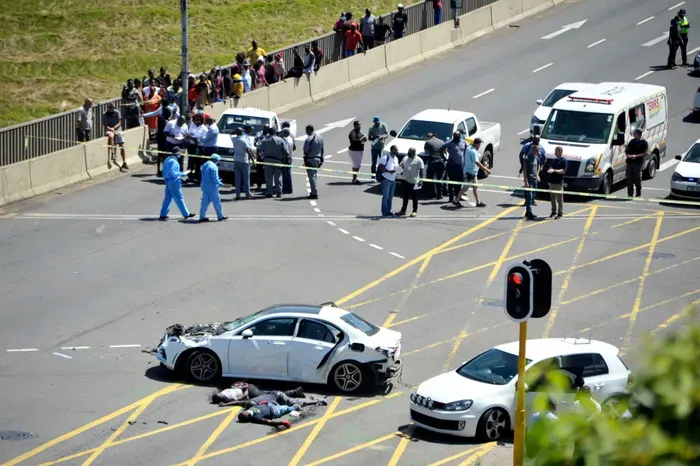
South Africa leads Africa’s crime index at the start of 2026 with a score of 74.5, reflecting deep and persistent security challenges despite being the continent’s most industrialized and urbanized economy. Cities such as Johannesburg, Cape Town, Durban, and Pretoria experience high levels of violent crime, including armed robbery, carjacking, home invasions, and assaults. These incidents are particularly concentrated in economically segregated neighborhoods, informal settlements, and transport hubs. South Africa’s urban density, historical inequalities, and rapid population growth create environments where opportunistic crime thrives, and residents often adjust their routines to avoid risk, highlighting the societal impact beyond recorded statistics.
A major factor driving South Africa’s elevated crime index is socio-economic disparity. Despite overall economic development, wealth remains highly concentrated, and unemployment especially among youth remains high, exceeding 30% in many urban centers. This economic pressure pushes individuals toward street crime and participation in organized syndicates. Gang activity in cities like Cape Town’s townships and Durban’s peri-urban areas has escalated, with turf wars often spilling into public spaces. Organized syndicates also exploit illicit markets such as drug trafficking, illegal mining, and vehicle theft, further amplifying both violent and property crimes. This structural interplay between inequality, unemployment, and urban density is central to understanding the country’s high score.
Policing and judicial challenges also contribute to South Africa’s ranking. While law enforcement agencies are well-trained and professional, resource limitations and the sheer volume of crime hinder rapid and effective response. Investigative capacity is stretched, and conviction rates for violent crimes remain low, which diminishes public confidence in the justice system. The perception of impunity is reinforced by high-profile corruption cases and slow judicial processes, meaning that both residents and businesses often rely on private security solutions. This reliance on non-state security actors further illustrates the systemic pressures that underpin South Africa’s crime index score.
Looking ahead to 2026, reducing South Africa’s crime index will require integrated approaches that combine social, economic, and law enforcement interventions. Strategies to address unemployment, expand educational access, and strengthen social services are critical to alleviating the underlying drivers of criminal behavior. On the policing side, targeted interventions against gang networks, improved investigative capacity, and community engagement programs could reduce both violent and property crimes. Without sustained action on multiple fronts, South Africa is likely to remain the highest-ranked African country for crime, highlighting the urgent need for systemic reform to restore public safety and confidence.
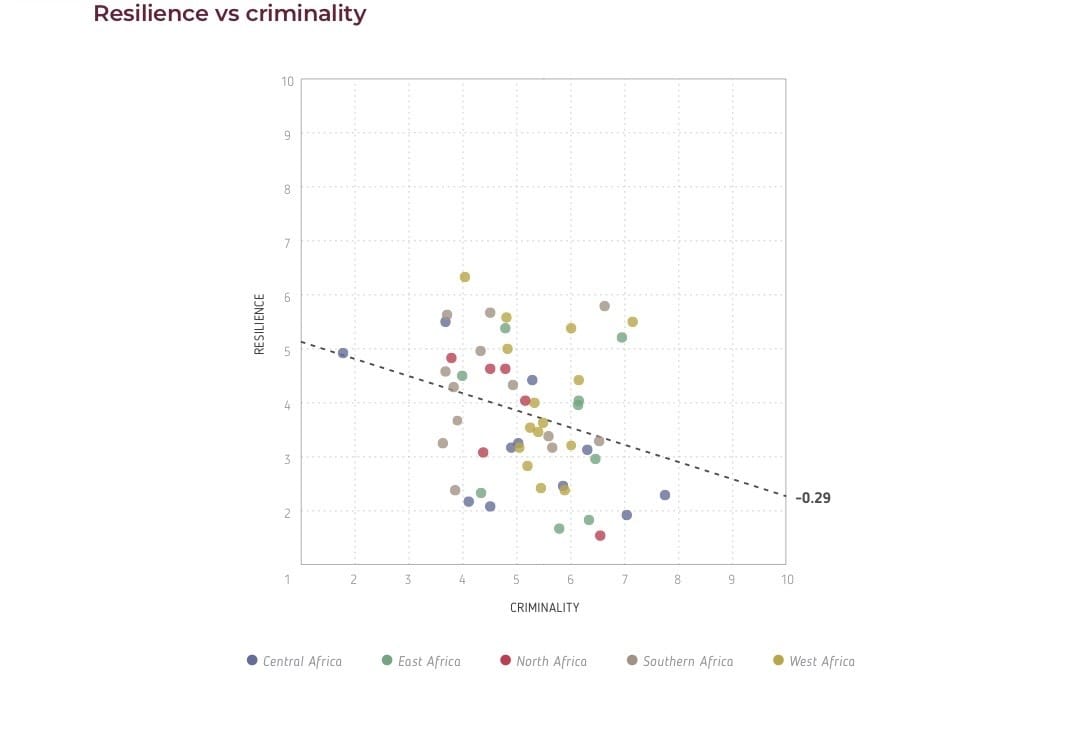
The top 10 African countries by crime index at the start of 2026 reveal a pattern where socio-economic inequality, weak or fragmented governance, urban density, and conflict intersect to heighten both actual crime and public perceptions of insecurity. Each country faces unique drivers that influence its score. Moving into 2026, the course of crime in these nations will largely depend on governance reforms, community policing, economic inclusion, and conflict resolution. Where structural vulnerabilities are addressed, safety improvements are possible, but in countries where these pressures persist, high crime index levels are likely to remain entrenched, shaping social and economic life across the continent.