Table of Contents
In Summary:
- Africa developed multiple indigenous writing systems and symbolic scripts independent of foreign influence.
- These systems preserved laws, philosophy, spirituality, science, and political authority.
- Writing in Africa often combined symbols, visuals, and oral interpretation rather than phonetic text alone.
- Indigenous African scripts confirm the continent’s central role in global intellectual history.
Deep Dive!!
Tuesday, 3 February, 2026 – Africa’s intellectual history is deeply rooted in indigenous systems of knowledge preservation that predate and, in some cases, parallel classical writing traditions elsewhere in the world. Across the continent, societies developed structured writing systems and symbolic scripts to record laws, transmit philosophy, preserve spiritual beliefs, and maintain political authority. These systems demonstrate that literacy in Africa was not absent, but rather expressed through culturally grounded forms that combined abstraction, symbolism, and oral interpretation.
This article examines ten African countries that produced indigenous writing systems and symbols, ranking them from 10 to 1 based on historical depth, structure, continuity, and cultural impact. Drawing on archaeological findings, linguistic scholarship, museum archives, and academic research, the study highlights Africa’s long standing contributions to global literacy, intellectual history, and systems of meaning.
10. Mozambique
Mozambique’s indigenous symbolic communication is best represented through Makonde ideographic carvings and symbolic markings used in ritual, storytelling, and initiation ceremonies. These symbols were not phonetic scripts but structured visual languages that conveyed lineage, cosmology, moral codes, and ancestral memory. They were embedded in wood sculpture, body markings, and ceremonial objects.
Makonde symbolic systems functioned as educational tools within secret societies, especially during rites of passage. Knowledge was encoded visually and transmitted orally, ensuring continuity across generations. Each symbol carried layered meanings understood only by those initiated into the cultural context.
Scholars recognize these symbols as part of Africa’s broader tradition of non alphabetic writing, where meaning was preserved through visual abstraction rather than sound based transcription. Mozambique’s case demonstrates how literacy in Africa often took symbolic and ritualized forms beyond conventional writing.
9. South Africa
Southern Africa’s indigenous symbol systems are most famously preserved in San rock art, dating back tens of thousands of years. These paintings were not mere decorations but complex visual narratives encoding spiritual beliefs, trance experiences, and communal knowledge. Researchers increasingly interpret them as symbolic communication systems.
The San used consistent iconography such as eland figures, geometric shapes, and human animal hybrids to convey metaphysical concepts. These symbols followed structured conventions, allowing shared interpretation across communities and time periods. In this sense, they functioned as a symbolic writing system.
Although not phonetic, San symbolic art represents one of humanity’s earliest systems of recorded meaning. South Africa’s contribution to indigenous African writing lies in this deep visual language that predates many known scripts worldwide.
8. Nigeria
Nigeria is home to one of Africa’s most sophisticated symbolic systems, Nsibidi, which originated among the Ejagham and spread across southeastern Nigeria and Cameroon. Nsibidi consisted of hundreds of ideograms representing actions, emotions, laws, and social relationships. It was used in governance, trade, rituals, and conflict resolution.
Nsibidi symbols appeared on walls, textiles, ceramics, and legal documents. Some symbols were public, while others were restricted to secret societies such as Ekpe. This layered access ensured controlled knowledge transmission and social order.
Linguists regard Nsibidi as one of Africa’s clearest examples of an indigenous writing system with standardized symbols and consistent meanings. Its influence extended into modern art, literature, and even early African American symbolism in the diaspora.
7. Angola
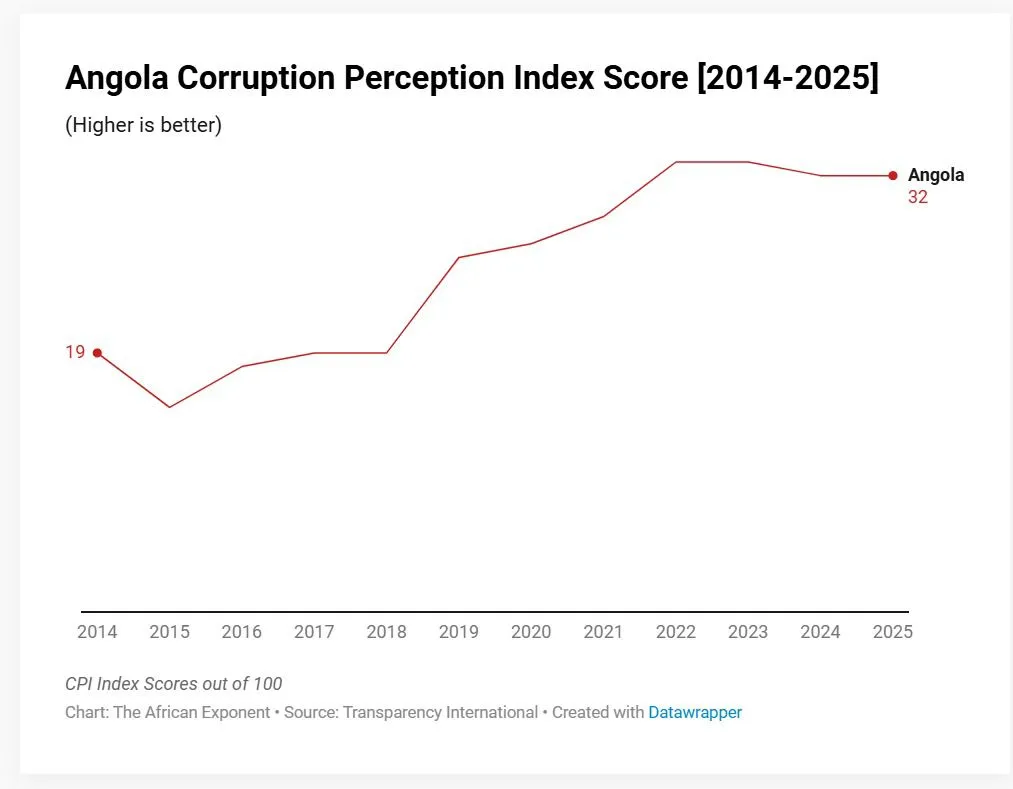
In Angola, indigenous writing took symbolic form through Tchokwe and Lunda ideograms embedded in masks, textiles, and ritual objects. These symbols functioned as visual texts that documented genealogy, authority, and spiritual philosophy. Each motif carried precise meanings known to trained interpreters.
Symbolic systems were closely tied to political leadership and spiritual initiation. Rulers used symbolic objects as records of treaties, laws, and royal lineage. Memory was preserved through visual repetition and oral interpretation.
Angola’s indigenous symbols demonstrate that African record keeping often relied on durable visual systems rather than written alphabets. These traditions challenge narrow definitions of writing and highlight Africa’s alternative intellectual pathways.
6. Cameroon
Cameroon played a central role in the development and spread of Nsibidi, which flourished across Cross River and Grassfields societies. Nsibidi in Cameroon evolved into a complex semi secret writing system used in diplomacy, legal decisions, and ceremonial communication.
Symbols represented abstract ideas such as loyalty, justice, love, and authority. They were often drawn on the ground, carved into objects, or painted on buildings during rituals. The system allowed communication across linguistic boundaries.
Academic research confirms Nsibidi’s structured grammar and symbolic consistency, qualifying it as a true writing system. Cameroon’s contribution underscores Central Africa’s intellectual sophistication before colonial contact.
5. Mali
Mali’s indigenous writing heritage is linked to symbolic systems used alongside Arabic scripts in ancient empires such as Mali and Songhai. Before widespread manuscript culture, symbols were used in trade records, astronomy, and ritual mathematics.
The Bamana and Dogon peoples developed symbolic signs representing cosmology, time cycles, and scientific knowledge. Dogon symbols, in particular, encoded astronomical observations and philosophical concepts with remarkable precision.
These systems illustrate how Mali blended symbolic writing with oral scholarship, creating layered intellectual traditions. They also demonstrate Africa’s role in early scientific documentation using indigenous symbolic frameworks.
4. Ghana
Ghana is internationally recognized for Adinkra symbols, a highly developed system of ideograms originating among the Akan people. Each symbol represents a complete philosophical idea, moral principle, or historical lesson. Adinkra symbols were used in governance, education, and diplomacy.
Symbols such as Sankofa and Gye Nyame functioned as visual texts, teaching ethics and collective memory. They were systematically applied to textiles, architecture, stools, and official regalia, ensuring widespread literacy in symbolic meaning.
Scholars classify Adinkra as a mature symbolic writing system because of its standardized forms and codified meanings. Ghana’s legacy shows how philosophy and writing were inseparable in African knowledge systems.
3. Liberia
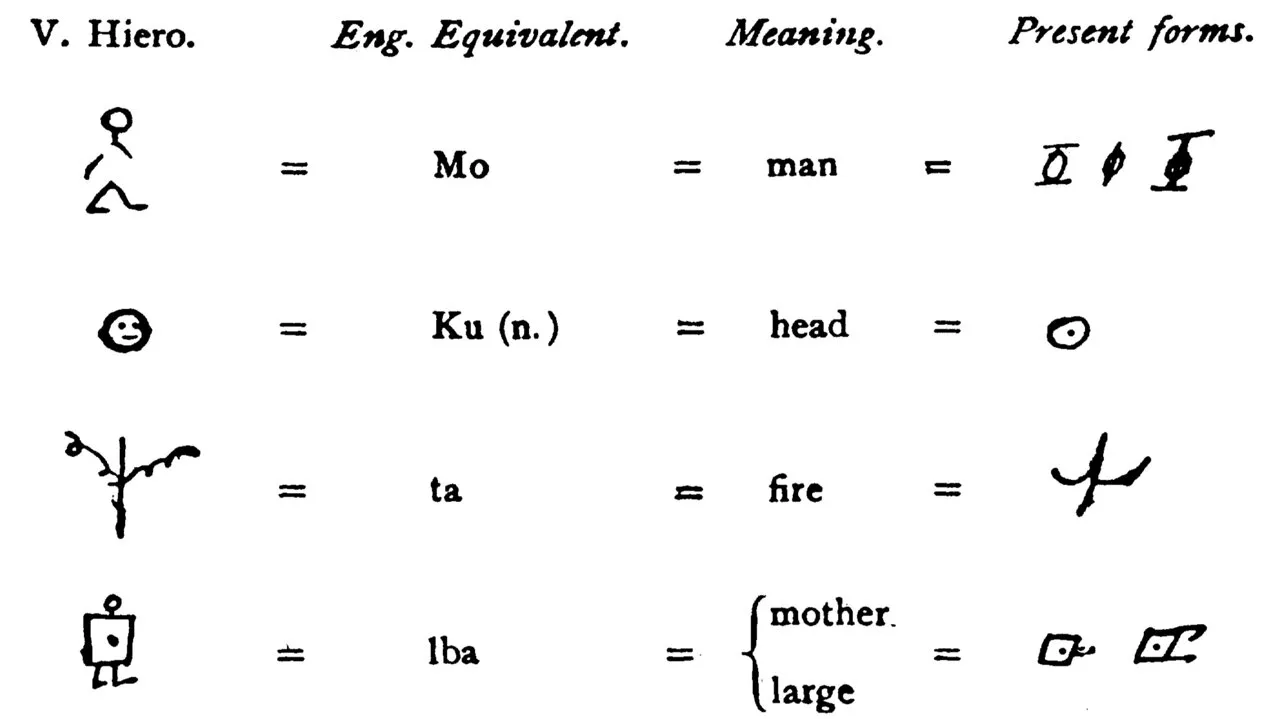
Liberia is home to the Vai script, one of Africa’s most celebrated indigenous syllabaries. Invented in the early nineteenth century, the Vai script was created independently without European influence and contains over 200 characters representing syllables.
The script was used for letters, legal records, business transactions, and historical documentation. It spread rapidly among the Vai people, creating a literate tradition rooted entirely in African innovation.
The Vai script is extensively documented and studied, standing as undeniable proof of Africa’s capacity for independent script invention. Liberia’s contribution is central to global discussions on indigenous literacy.
2. Egypt
Ancient Egypt’s hieroglyphs represent one of the world’s earliest and most complex writing systems. Developed over 5,000 years ago, hieroglyphs combined logographic, syllabic, and alphabetic elements. They were used in administration, science, religion, and literature.
Hieroglyphs preserved medical texts, legal codes, astronomical records, and philosophical writings. The script’s symbolic depth allowed meanings to operate on literal, metaphorical, and spiritual levels simultaneously.
Egypt’s writing system influenced later scripts across the Mediterranean and Near East. Its African origins firmly establish the continent as a cradle of global literacy and written civilization.
1. Ethiopia
Ethiopia ranks first due to the Ge’ez script, one of the oldest continuously used writing systems in the world. Developed over 2,000 years ago, Ge’ez evolved into a fully functional alphasyllabary used for religious, legal, and historical texts.
The script preserved Ethiopia’s state records, theological works, and scientific knowledge across centuries. It remains in use today in Amharic, Tigrinya, and liturgical contexts, demonstrating extraordinary continuity.
Ge’ez stands as Africa’s most enduring indigenous writing system. Its longevity, adaptability, and depth make Ethiopia the strongest example of indigenous African literacy shaping civilization across millennia.
We welcome your feedback. Kindly direct any comments or observations regarding this article to our Editor-in-Chief at [email protected], with a copy to [email protected].