The Top Ten Gaming Trends Worldwide
The gaming industry is one of the biggest on the planet, and is estimated to have generated $187.7 billion last year alone. On top of this, it was recently estimated that around 40% of the world’s population game.
On-the-ground intelligence on Africa's infrastructure, workforce, regulatory frameworks, and business climate for companies building and expanding across African markets.
The gaming industry is one of the biggest on the planet, and is estimated to have generated $187.7 billion last year alone. On top of this, it was recently estimated that around 40% of the world’s population game.
In 2025, Africa surpasses 1 billion active SIMs, making mobile phones the backbone of banking, healthcare, education, and business. Nigeria leads with over 200M users and 140M smartphones, while South Africa has the highest penetration at 195%, driven by 4G/5G.
The showdown between Tyrese Haliburton of the Indiana Pacers and Shai Gilgeous-Alexander of the Oklahoma City Thunder has become the talk of the town, promising an electrifying series that will go down in NBA history.
The large use of English in African countries is affected by the region's history, diverse languages, and exposure to media, increasing the number of people who can speak it and their proficiency.
As machinery advanced, the demand for more reliable and efficient solutions ushered in the era of metallic clutches, which provided greater durability and performance under load.
The increase in urbanization and infrastructure development in many African countries has contributed to high real estate prices, resulting in a widespread difference between the cost of property and average domestic income.
The increase in Africa's software engineers is due to high internet access and youth demographics, which in turn has enabled more youth to learn to code, join global platforms such as GitHub, and secure distant jobs with international companies.
In many African countries, limited access to the Internet is largely caused by poor infrastructure and high data costs, which together prevent millions from going online and slow down national progress in education, business, and communication.
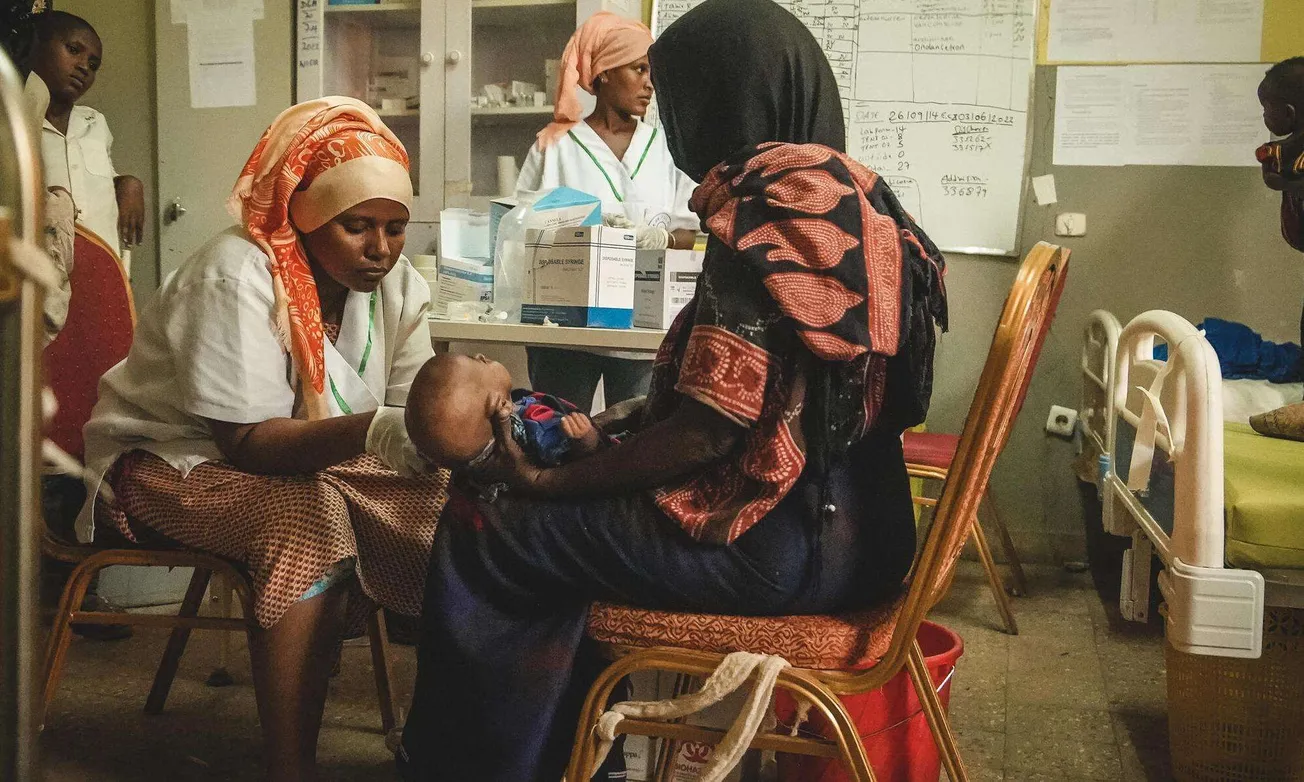
Nurses are an essential part of the healthcare system and play a vital role in ensuring that patients receive the best possible care. They are often the first point of contact for patients and play a key role in promoting health and preventing disease.
High international school fees in Africa are due to the low availability of such schools and significant demand from privileged families, which means that most average families cannot afford the prices.
The rise of cities like Kumasi and Dar es Salaam as emerging talent hubs can be attributed to the investment in targeted infrastructure, such as inland ports and modern railways. These investments attract industry-specific jobs, and create new opportunities for efficient labor.
The use of high-speed internet in Africa's top digital countries is influenced by smartphone adoption and affordable data plans, which have led to an increase in online businesses, youth-led content creation, and growing digital economies.
Judicial freedom in Africa has improved through specific reforms aimed at reducing political intervention and increasing court efficiency. These changes have led to Strong civil justice systems that provide appropriate and quick results for citizens.
Across Africa, governments are beginning to understand this fact and respond with bold reforms, tech projects, and policies aimed at digital inclusion.
High-speed rail is no longer a dream. Morocco is operating at 320 km/h, while Egypt is building over 2000 km of electric high-speed travel corridors to be ready by 2027.
In 2025, employability in Africa won’t just depend on what you know—but on how well you can think, build, and grow in a fast-paced environment.