Top 10 African Countries With the Highest Groceries Index in Early 2026
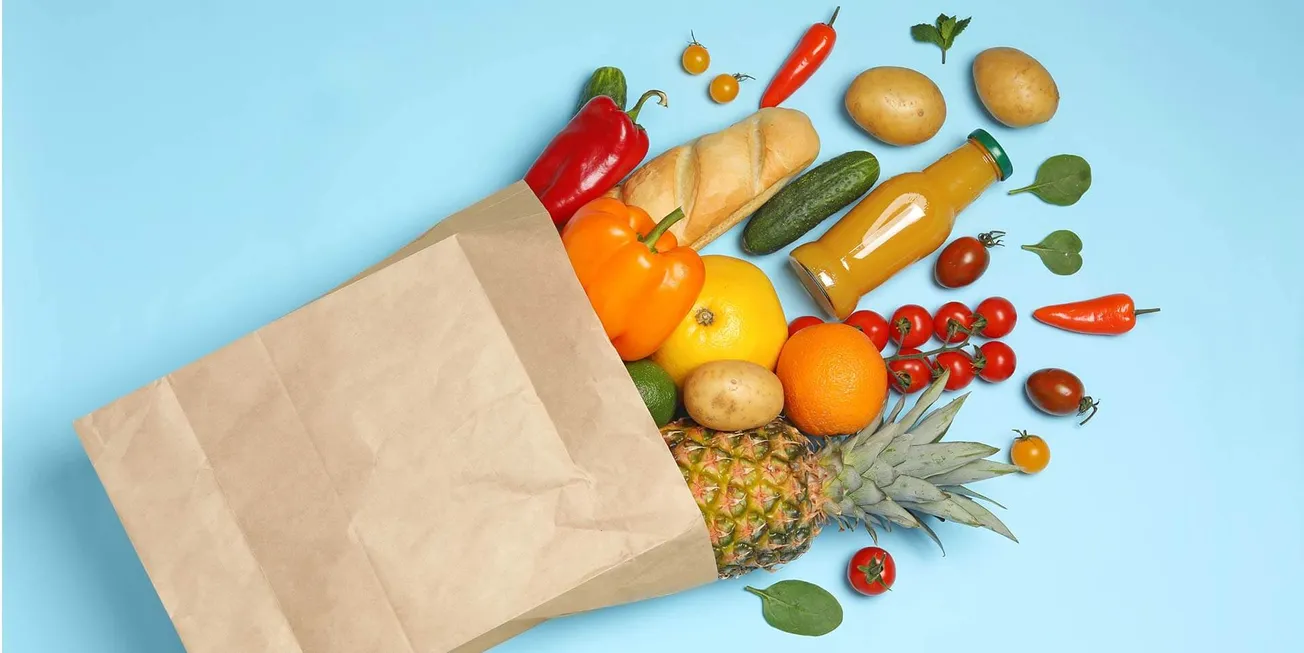
The 2026 African Groceries Index ranks the continent’s most expensive countries for everyday food purchases, revealing cost pressures and the forces shaping prices.
On-the-ground intelligence on Africa's infrastructure, workforce, regulatory frameworks, and business climate for companies building and expanding across African markets.
The 2026 African Groceries Index ranks the continent’s most expensive countries for everyday food purchases, revealing cost pressures and the forces shaping prices.
In 2026, Africa’s local purchasing power varied widely, reflecting income levels, economic reforms, and cost structures across the continent’s top economies.
if you use an AI trading bot, it can easily discern trading signals among the flood of disparate information.
Discover proven study techniques for better exam results. Learn how to prepare for exams effectively using science backed methods that actually work.
Ashish J. Thakkar built the Mara Group from a $5,000 startup into a pan‑African multi‑sector business present in more than 20 countries, empowering youth entrepreneurship.
At the beginning of 2026, Africa’s best quality-of-life scores highlight what residents experience daily which include access to healthcare, education quality, public safety, and well-planned cities moving beyond economic size.
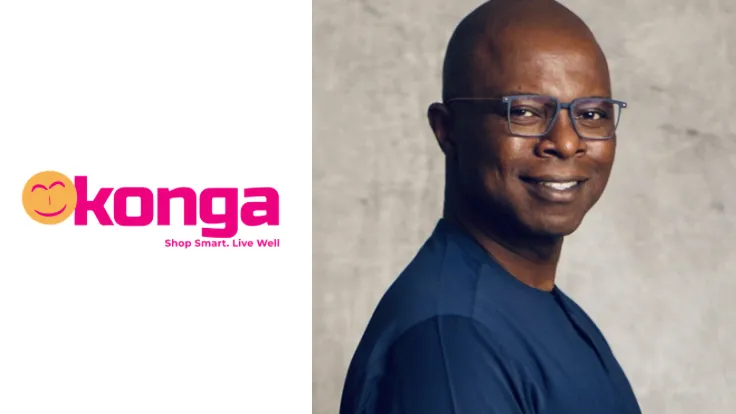
Sim Shagaya founded Konga to prove that large-scale digital commerce could work in Africa, building logistics, payments, and trust across fragmented markets.
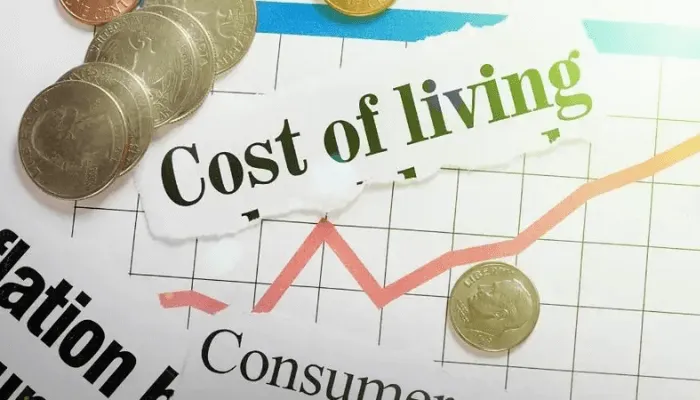
At the start of 2026, Africa’s highest cost-of-living pressures are driven less by income levels and more by structural prices, import dependence, and currency exposure.
Strive Masiyiwa built Africa’s largest independent fiber network, laying over 110,000km of cable to connect the continent and transform landlocked nations into digital hubs.
Ashraf Sabry dismantled Egypt’s reliance on physical cash by building Fawry, a digital payment giant that now processes millions of transactions daily and serves as a core financial utility for over 50 million users.
Mitchell Elegbe built Africa’s most important payments infrastructure, turning Nigeria’s fragmented, cash-heavy system into a high-volume digital network processing trillions of naira and supporting over 100 million Verve cards across Africa.
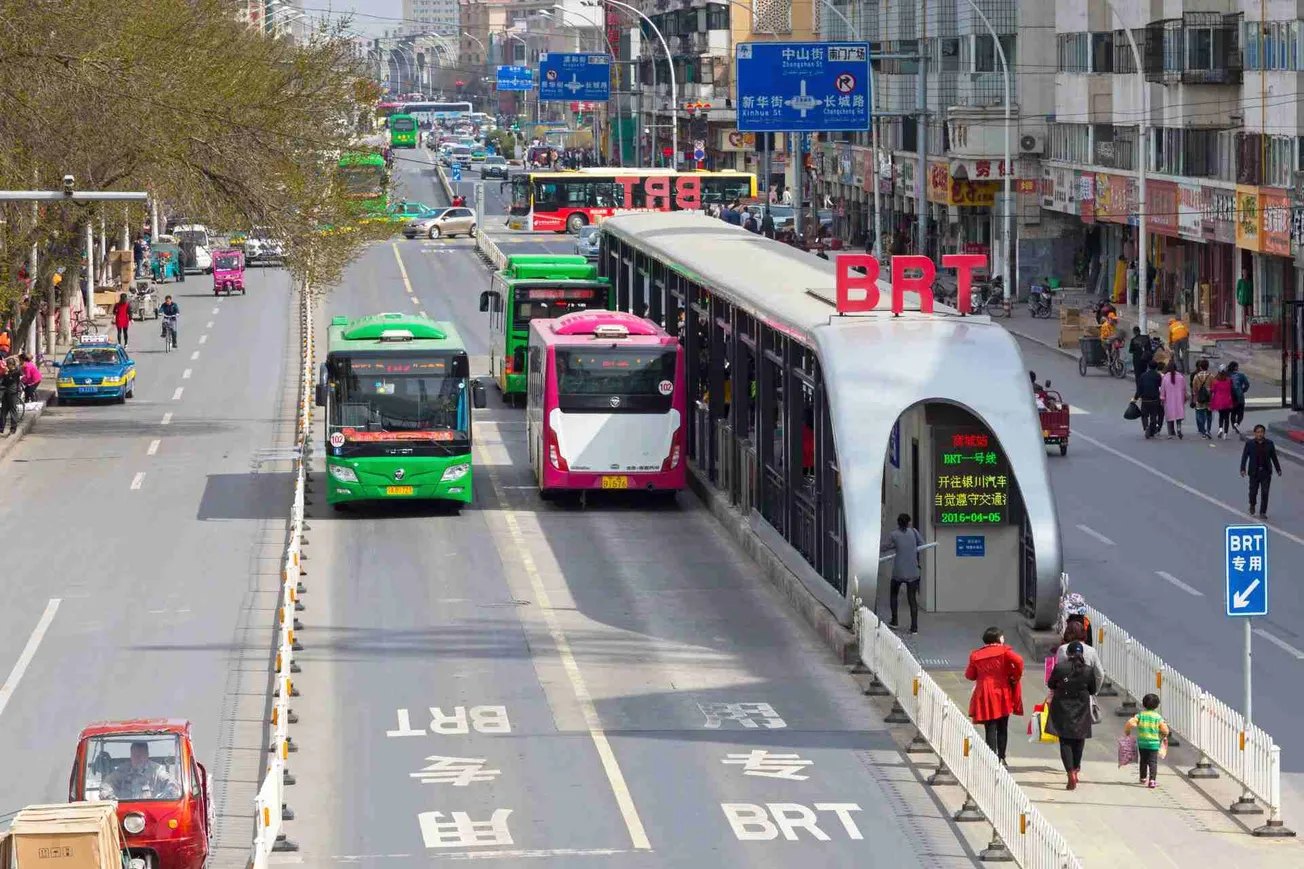
Africa’s urban transport is evolving, with BRT systems easing congestion and boosting mobility. Some cities lead in coverage and innovation, reshaping city transit.
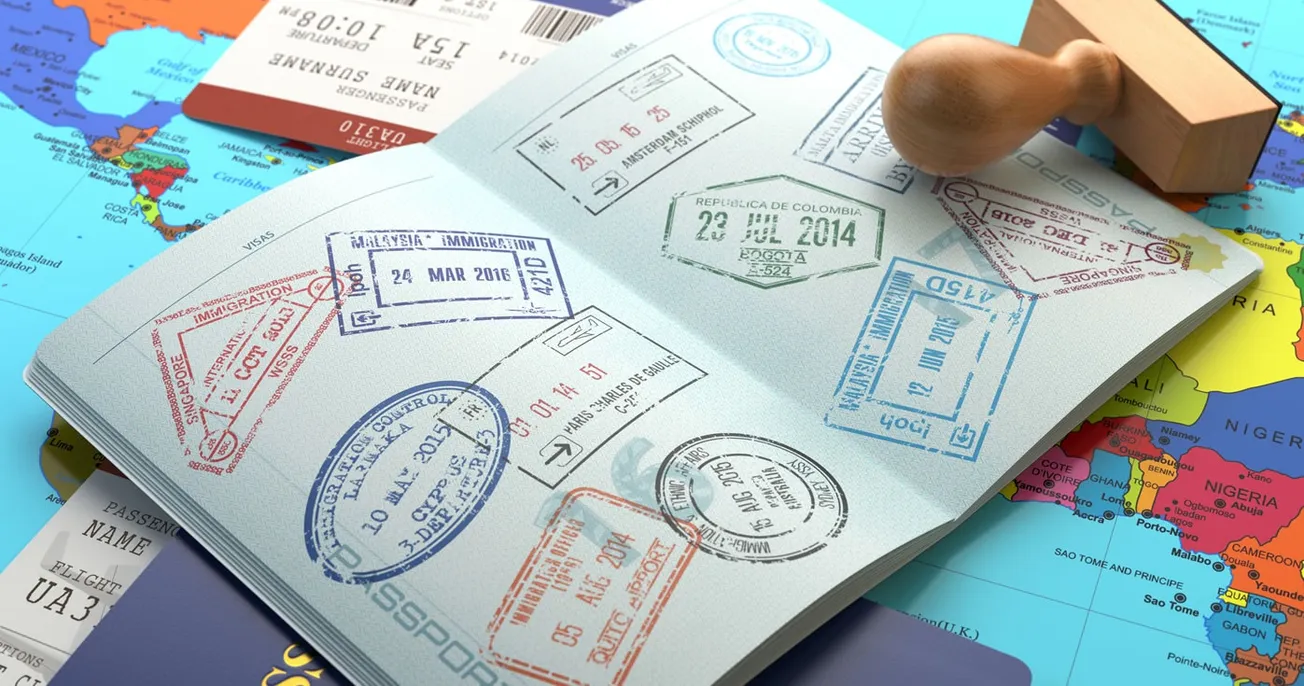
Africa’s most visa-open countries in 2025 are reshaping regional mobility, trade flows, and diplomatic leverage through policy choices reflected in measurable openness scores.
Tesh Mbaabu built MarketForce into a commerce engine that digitized informal retail, linking neighbourhood merchants to inventory, credit, and payments across multiple African markets.
Juliet Anammah led Jumia Nigeria’s evolution into a full digital commerce platform, helping position Jumia as the first African tech company listed on the NYSE.
Rebecca Enonchong transformed enterprise software for Africa and beyond through AppsTech now supporting clients in over 50 countries and shaping pan‑African tech ecosystems.