
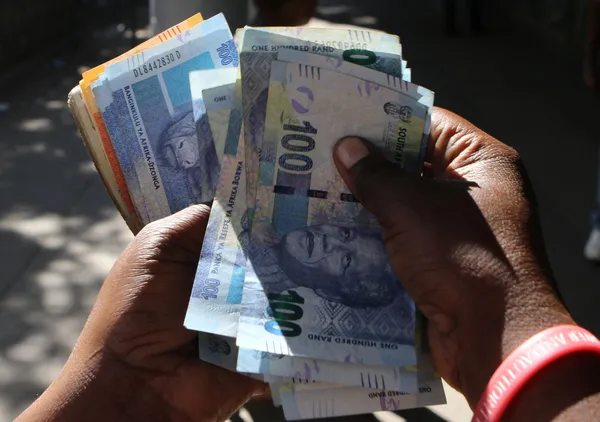
Top 10 Most Traded Currencies in Africa 2025
The success of sustainable intra-trade in Africa is anchored on the economic significance, historical background, and global market impact of the continent's local currencies.
Analyze Africa’s capital markets including public equities, private investments, fintech, and capital flows. Stay informed on the financial systems driving enterprise and innovation.
The success of sustainable intra-trade in Africa is anchored on the economic significance, historical background, and global market impact of the continent's local currencies.
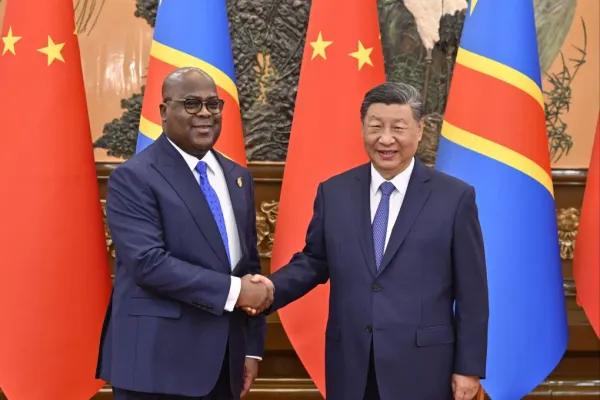
The depth of Sino-African ties and Chinese loans in Africa is enormous. They represent the backbone of China's infrastructure footprint in Africa, and their experiences may well shape the future of development finance across the continent.

African banks are not just financial giants, they are key drivers of economic development, trade integration, and digital transformation in the continent. As the sector continues to evolve, Banks play an important role in positioning Africa to attract global finance and investment.

Private equity firms are injecting much-needed capital into African enterprises and offering strategic guidance, global networks, and operational expertise in fintech, agriculture, healthcare, logistics, and education.

When it outpaces external financing, remittance inflows are instrumental in alleviating poverty, stimulating economic progress, and improving the lives of millions across the African continent.

Venture capital firms are instrumental in shaping Africa’s startup ecosystem, providing not only funding but also mentorship and strategic support to entrepreneurs across the continent.

Insurance companies in Africa offer unique products in line with best practices to strengthen the economic foundation of the continent and its citizens against emergencies and disasters.
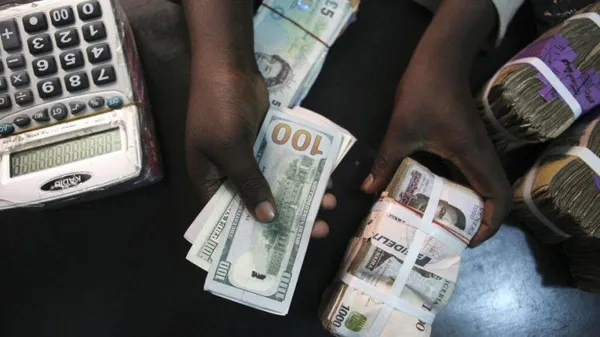
As the global economy shifts post-pandemic and amid geopolitical tensions, exchange rate movements across Africa will remain a key metric for both policymakers and investors.
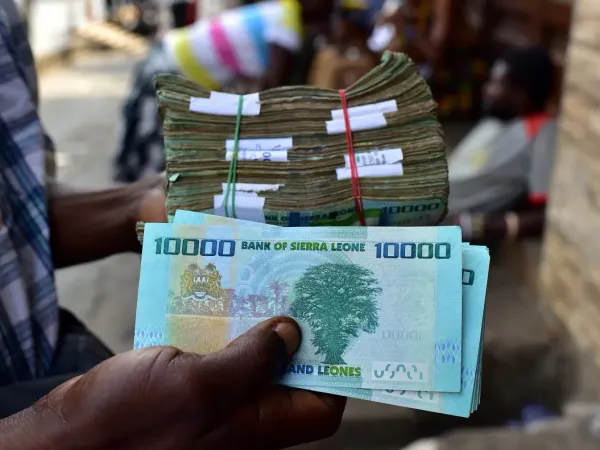
Exchange rates in Africa — especially to the US Dollar, can affect a country’s inflation rate and the purchasing power of its local currency. Thus, unfavorable exchange rates negatively impact the economies of many countries.
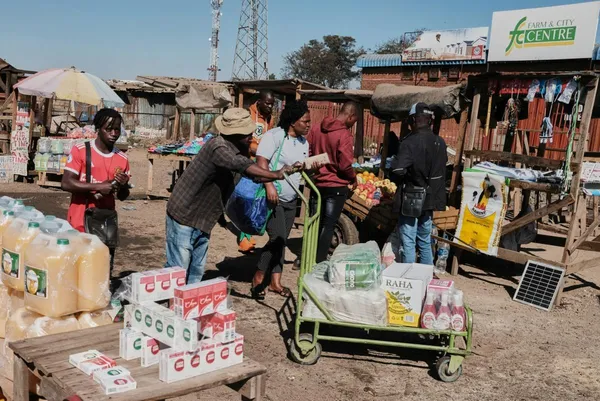
Hyperinflation in Africa is linked to fiscal dominance, where the government relies on the central bank for financing its deficits, which leads to excessive money supply and a subsequent inflation rate of over 50%.

Many African governments are turning to sovereign bonds to seek internal investments as an option for debt securities, as opposed to increasing their indebtedness to the IMF and World Bank.
This article highlights the ten largest public bond offerings in Africa between 2015 and 2025, showcasing the continent's evolving financial landscape.

Private capital investment has become more concentrated at the country level, with South Africa leading and accounting for half of all African investment.
This article is a comprehensive analysis of the top ten African countries with the highest central bank interest rates as of 2025, including key insights into their economies, GDP, and monetary policies.

This article highlights the top 10 investment management companies in Africa based on assets under management (AUM), regional influence, and service offerings.

This article provides an in-depth analysis of the top 10 African countries with the highest number of commercial banks, examining their banking policies, systems, and economic contexts.