Table of Contents
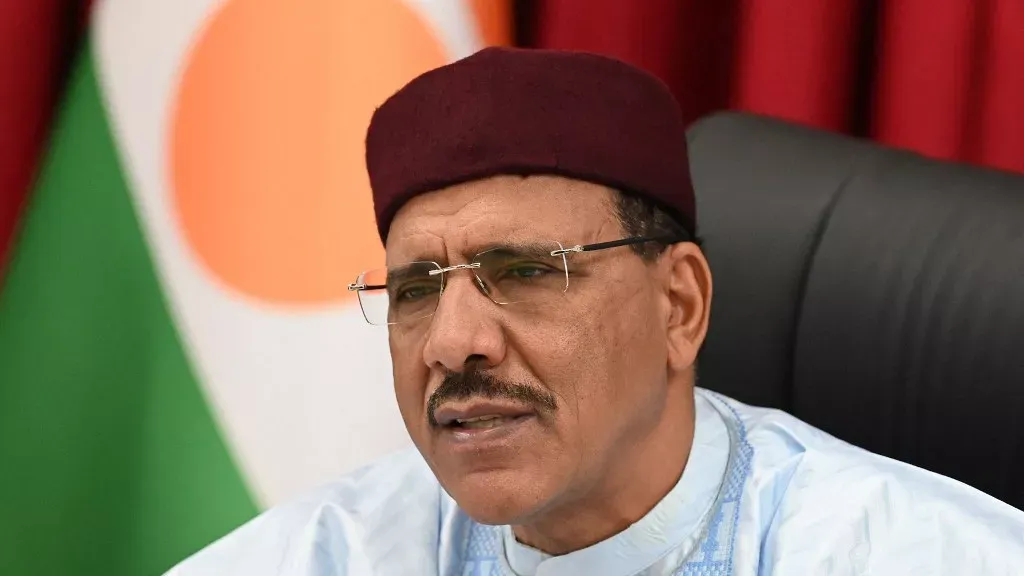
The Economic Community of West African States (ECOWAS) Court of Justice issued an order on Friday demanding the immediate release of Mohamed Bazoum, Niger's president, who has been under captivity since the July 26 coup, along with his family.
The judge, who convened in Abuja, declared that the military authorities in Niamey must release all applicants, including Mohamed Bazoum, and his family, without any conditions. He emphasized that the detention of the applicants violated their rights against arbitrary detention.
Furthermore, the Court demanded the reinstatement of Mohamed Bazoum in his presidential position, affirming that he remains the legitimate President of Niger and represents the country.
The judge highlighted the violations of constitutional and political rights, stressing that Mohamed Bazoum's sequestration at his presidential residence with his wife Haziza and their son Salem after the coup constitutes a breach of these rights.
In mid-September, following his ousting, the deposed president sought relief from the ECOWAS Court of Justice, seeking his release and the restoration of constitutional order in Niger. Bazoum's legal representatives pointed out the arbitrary arrest and infringement of freedom of movement suffered by him, his wife, and their son in their application to the Court.