Table of Contents
Kinshasha, DRC-In a significant legal move, the Democratic Republic of Congo (DRC) has issued a formal notice to Apple, accusing the tech giant of using raw minerals in its products that are allegedly exploited illegally.
This action marks the beginning of a broader initiative aimed at curbing the exploitation of the country's natural resources.
French lawyer William Bourdon, representing the DRC's government, elaborated on the situation during an interview with the BBC's Newsday program.
According to Bourdon, the notice sent to Apple on Thursday is part of a larger strategy to "moralize the way that raw materials are exploited in this country."
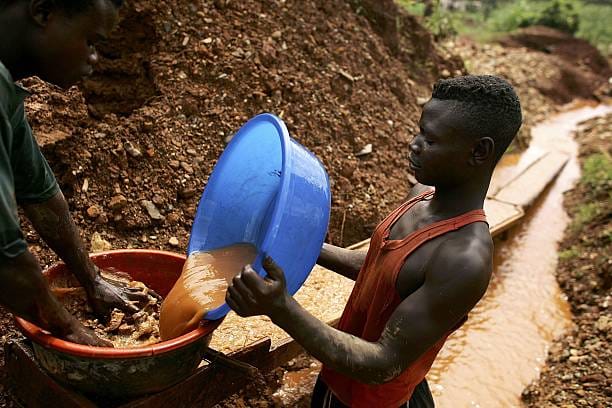
The formal notice alleges that the minerals used by Apple originate from mines where human rights are frequently violated by rebel groups.
This legal warning to Apple follows claims that the minerals are smuggled from eastern Congo into neighboring Rwanda. Once in Rwanda, these resources are allegedly laundered and subsequently integrated into the global supply chain, including in products manufactured by Apple.
The notice also hints at potential legal action if the alleged practices are not discontinued.
Apple, on its part, has consistently denied any wrongdoing. The company has stated that there is no evidence to suggest that any of its suppliers have financed or benefited armed groups in the DR Congo or any adjacent countries.
The initiative by the DRC to tackle the exploitation of its mineral resources reflects a growing awareness and assertiveness in managing its assets more ethically and responsibly.
This stance by the DRC could set a precedent for other nations seeking to protect and ethically manage their natural resources against exploitation by large multinational corporations.
As this legal battle unfolds, it represents a critical juncture for the DRC in asserting its rights over its natural resources and for global companies in ensuring ethical practices in their supply chains.