Table of Contents
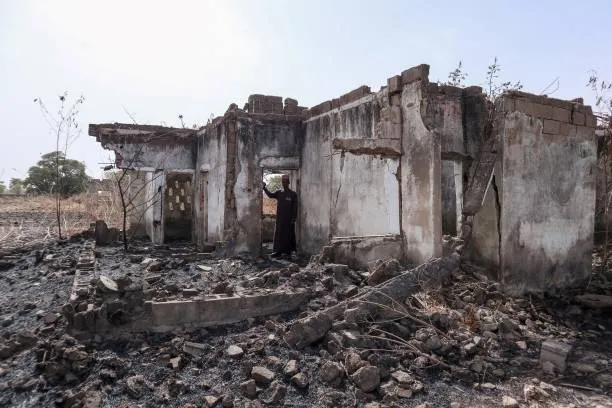
Abuja, Nigeria – Armed men launched a brutal late-night attack on remote villages in northcentral Nigeria, killing at least a dozen villagers in Plateau’s Wase district, authorities reported on Tuesday.
The attack is the latest in a series of violent incidents in the region, which have been attributed to ongoing conflicts between nomadic herders and rural farmers over control of water and land resources.
Local newspaper Punch cited witnesses claiming the death toll was as high as 40, but government officials have confirmed 12 casualties so far. Discrepancies between official figures and witness accounts are common in such attacks due to the chaotic nature of the events and the difficulty in obtaining accurate information immediately after.
The attackers, riding motorcycles, stormed the Zurak community in Wase district, opening fire on villagers and forcing many to flee into nearby bushes. “We are trying to comb the area to see whether we have more casualties or people with bullet wounds,” said Musa Ashoms, the state commissioner for information.
The raid occurred shortly after a security operation targeting the attackers' hideouts, which aimed to "wipe" them out of the area, according to Idris Wase, a federal legislator from Plateau’s Wase district. Despite these efforts, locals have repeatedly expressed frustration over the attackers' ability to strike villages for hours and escape before security forces can intervene. Arrests following such attacks are rare, exacerbating the community's sense of vulnerability.
This latest attack mirrors previous incidents of violence in the region. In December, assailants killed at least 140 residents during a two-day assault on more than a dozen communities. These recurring attacks have resulted in hundreds of deaths over the years, perpetuating a cycle of violence and insecurity.
The Nigerian government faces mounting pressure to address the security challenges in northcentral Nigeria, where the fight for resources has fueled a deadly conflict between herders and farmers. As the community mourns the loss of life and grapples with the aftermath of the latest attack, the need for effective security measures and conflict resolution strategies is more urgent than ever.