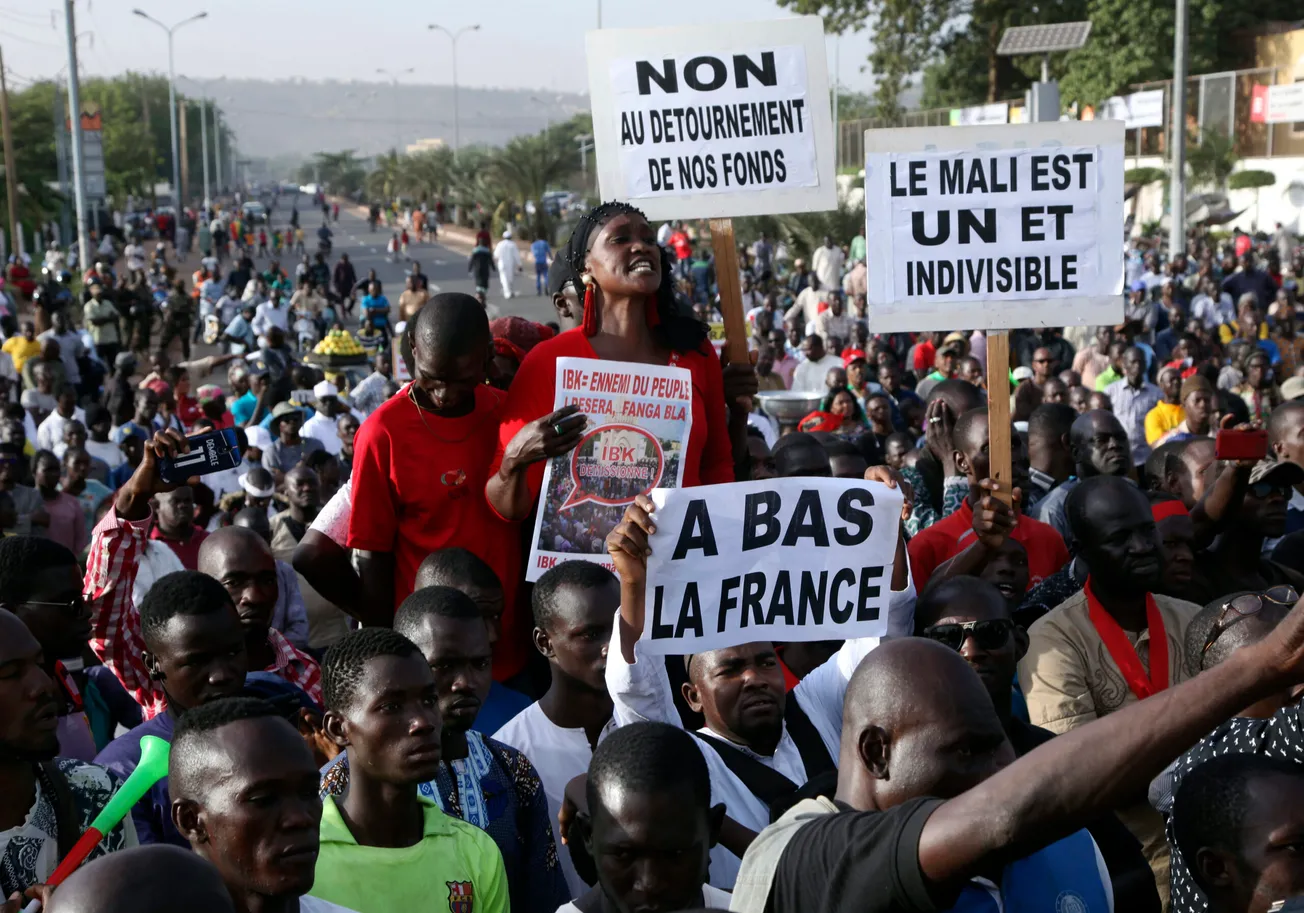
Table of Contents
In recent times, Burkina Faso's President, Ibrahim Traore has emerged as a prominent advocate for Africa's rights within his nation, sparking attention by boldly denouncing French as the national language. Born in 1988, his journey to leadership has been marked by a steadfast commitment to reshaping Burkina Faso's identity and promoting a sense of African autonomy.
Traore, a charismatic and visionary leader, hails from Bandokuy. His early life was characterized by exposure to the diverse cultures and languages that make up Burkina Faso. This upbringing instilled in him a deep appreciation for the rich tapestry of African heritage and a desire to see his nation break free from the remnants of colonial influence.
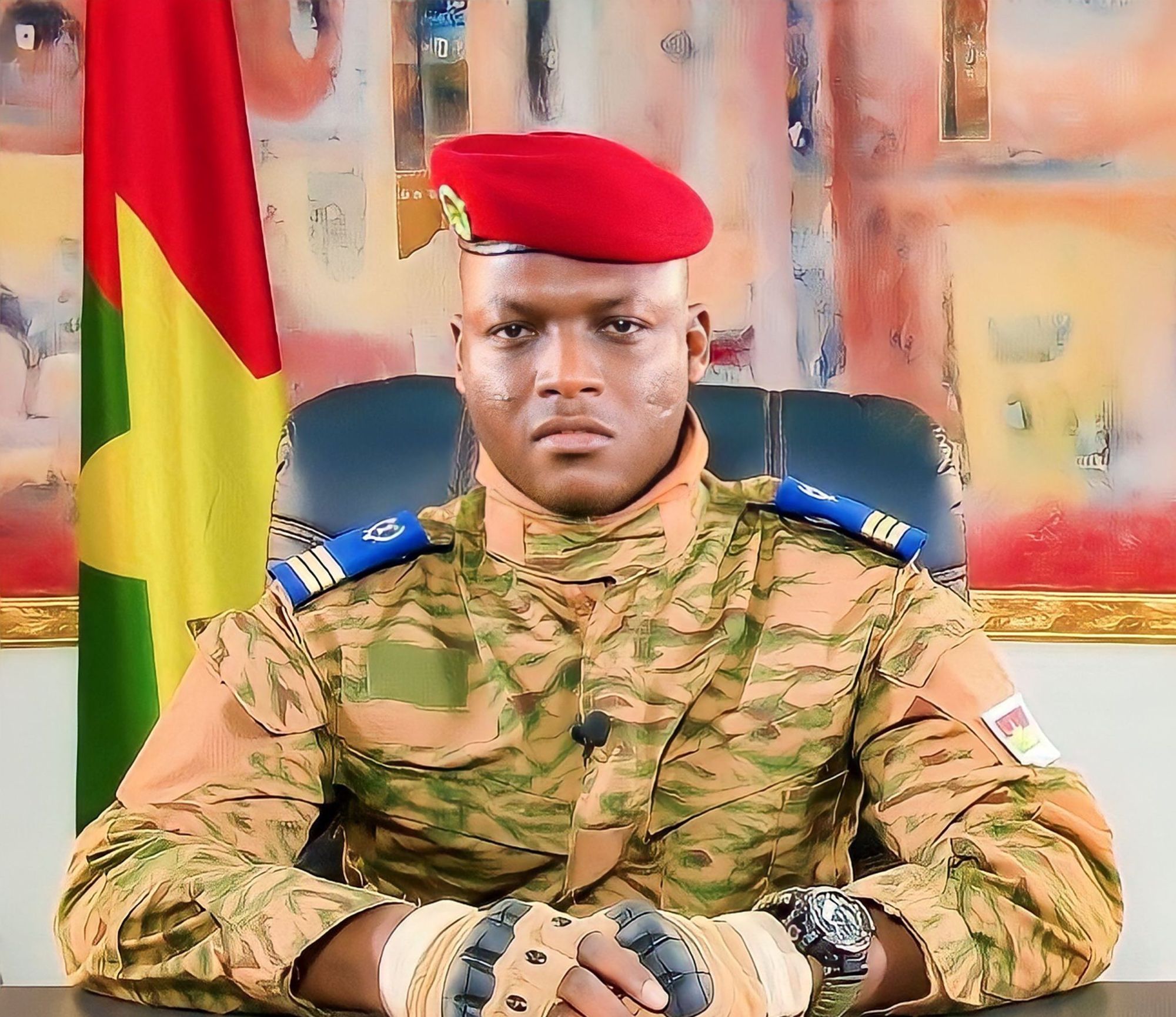
Before entering politics, Traore distinguished himself in various fields, from academia to activism. He earned his degree in Geology from the university of Ouagadougou, where he developed a keen understanding of the historical complexities that continue to shape Africa. Inspired by the struggles of his people, he dedicated himself to advocating for social justice and equal opportunities for all.
Traore entered the political arena with a clear vision of transforming Burkina Faso into a beacon of self-determination for the entire continent. His political journey was marked by resilience and a commitment to the principles of pan-Africanism. Upon assuming office as President, Traore wasted no time in implementing bold policies aimed at redefining Burkina Faso's national identity.
A groundbreaking move that captured global attention was Traore's declaration to denounce French as the national language. This decision was motivated by a desire to break free from the linguistic shackles of colonialism and assert Burkina Faso's independence. In its place, [President's Last Name] proposed the promotion of indigenous languages spoken across the nation, fostering a sense of unity among the diverse ethnic groups within Burkina Faso.
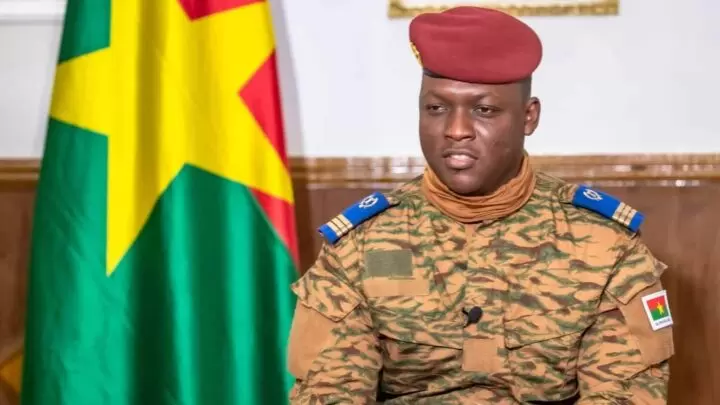
This linguistic shift is just one aspect of Traore's broader agenda to assert Burkina Faso's autonomy and champion Africa's rights on the international stage. The President has been vocal about the need for economic self-sufficiency, environmental sustainability, and social justice. His administration has embarked on ambitious initiatives to strengthen Burkina Faso's economy, reduce dependency on foreign aid, and address longstanding issues of poverty and inequality.
Despite facing challenges and criticism, Traore remains resolute in his commitment to transforming Burkina Faso into a model of African self-governance. The denouncement of French as the national language is symbolic of a broader movement to reclaim Burkina Faso's narrative and redefine its future. As [President's Last Name] continues to shape the destiny of his nation, his biography serves as an inspiring testament to the enduring spirit of Africa's quest for independence and self-determination.