Table of Contents
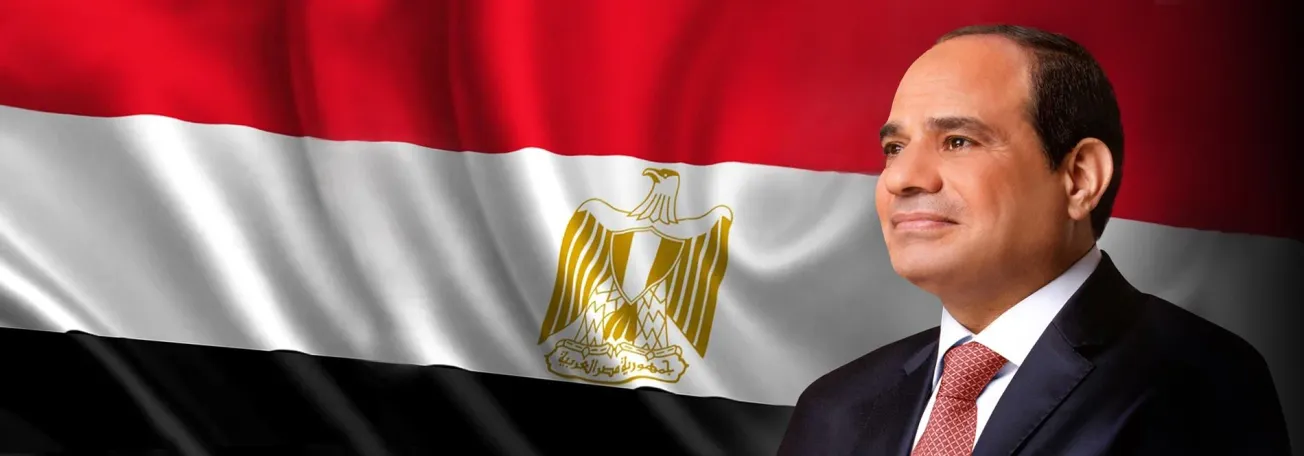
Egyptian President Abdel Fattah al-Sissi won the country's presidential election with 89.6% of the vote, securing himself a new six-year term, the National Elections Authority announced on Monday.
The head of the Authority, Hazem Badawy, said that turnout had reached an "unprecedented" 66.8% among Egypt's 67 million voters.
More than 39 million voters cast their ballots for Mr Sissi, who has been at the helm of the country for a decade.
The President was pitted against three candidates: Hazem Omar, leader of the Republican People's Party and second in the poll with 4.5% of the vote, Farid Zahran, leader of a small left-wing party, and Abdel-Sanad Yamama of the Wafd, a century-old but now marginal party.
Mr Sissi's victory guarantees him a third term in office, starting in April and supposed to be his last, under the Egyptian Constitution.
His election comes as no surprise in a country of 106 million people beset by multiple crises, ranging from purchasing power to the war in neighbouring Gaza.
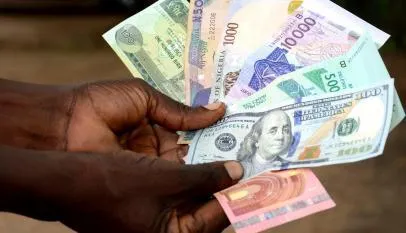
In the midst of an economic crisis, inflation currently stands at 36.4%, while the currency has lost half its value and the price of certain basic foods is rising every week.
Two-thirds of the population live below or just above the poverty line.
In the 2014 and 2018 presidential elections, Mr Sissi won with more than 96% of the vote.
Credit: Africa News