Table of Contents
In Summary
- Quality of life in Africa is influenced more by institutional effectiveness and public services than GDP alone.
- Access to healthcare, education, and infrastructure strongly correlates with higher quality-of-life index scores.
- Coastal and urbanized nations tend to score higher due to better infrastructure, services, and connectivity.
Deep Dive!!
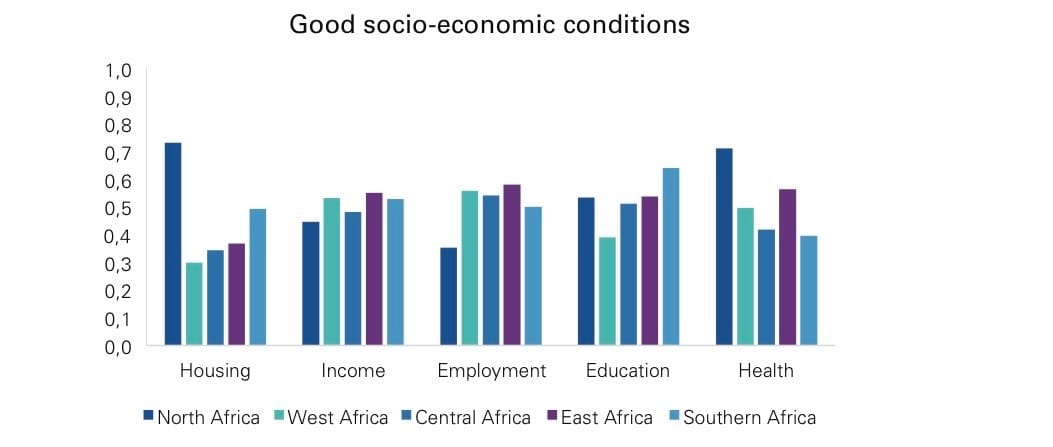
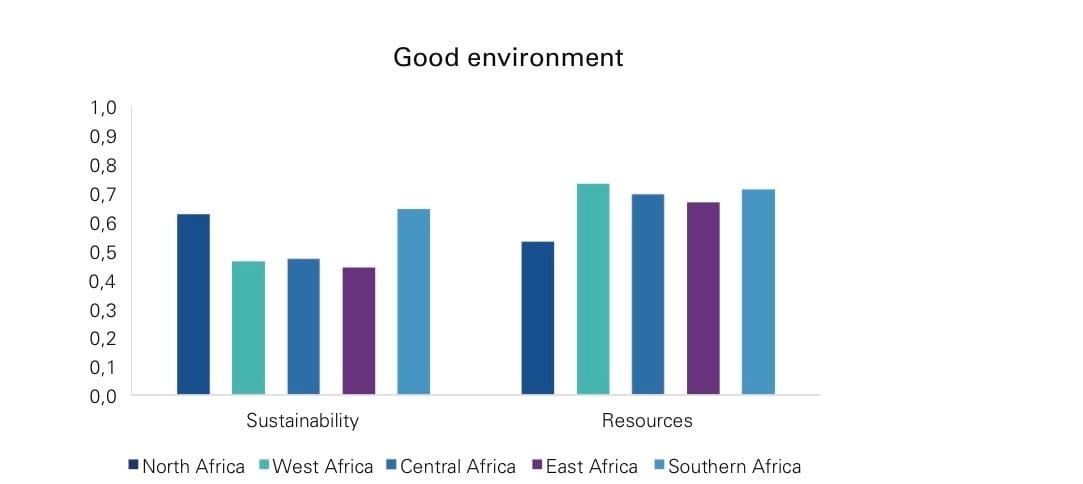
Lagos, Nigeria, Wednesday, January 7, 2026 - Quality of life is a multidimensional measure that extends beyond income to encompass healthcare access, educational opportunities, safety, infrastructure, and environmental conditions. Across Africa, disparities in these factors result in significant variation in living standards, even among countries with similar economic output.
At the start of 2026, some African nations demonstrate clear advantages in public service delivery, governance effectiveness, and urban infrastructure, which collectively contribute to higher quality-of-life index scores. These indicators provide a more holistic view of how citizens experience daily life, allowing policymakers, investors, and analysts to compare countries beyond traditional GDP metrics.
The methodology used to rank these countries combines multiple dimensions, including health outcomes, education quality, infrastructure availability, social stability, and environmental sustainability. Each country’s score reflects both absolute achievements and relative performance compared to peers in the region. By focusing on an aggregated quality-of-life index rather than a single metric, this analysis highlights the broader structural and institutional conditions that enable residents to enjoy better standards of living, encompassing both tangible services and socio-economic stability.
Understanding the determinants of quality of life is critical for interpreting these rankings. Urbanized, well-connected economies often score highly due to better healthcare networks, education systems, and infrastructure, while smaller or less developed economies may face limitations even if per-capita income is relatively high. Coastal access, political stability, and effective governance mechanisms further reinforce a country’s position in the rankings, illustrating that quality of life is shaped by both policy choices and structural conditions.
This article ranks the five African countries with the best quality-of-life index at the start of 2026 according to the Numbeo index, providing a detailed examination of the institutional frameworks, policy initiatives, and structural advantages that have positioned these nations at the top. It also considers forward-looking trends, highlighting how each country may sustain or improve its quality-of-life outcomes in the coming year. Readers will gain a clear understanding of the unique factors that contribute to high living standards across the continent, helping to contextualize why certain countries consistently outperform their peers.
5. Egypt
Egypt ranks among the top African countries for quality of life at the start of 2026, reflecting a combination of urban development, healthcare expansion, and educational access. Metropolitan areas like Cairo and Alexandria offer comparatively high standards of living, with well-established public services and transportation networks that facilitate economic activity and daily convenience. These structural advantages contribute to Egypt’s strong performance on the continent’s quality-of-life index, signaling a more stable and service-oriented environment for residents despite broader regional challenges.
Healthcare and education form a core component of Egypt’s high quality-of-life rating. Investment in public hospitals, primary care facilities, and vaccination programs has improved health outcomes, while ongoing educational reforms enhance access to secondary and tertiary schooling. Government programs that subsidize essential services have reduced disparities between urban and rural populations, although gaps remain in more remote areas. These initiatives demonstrate that institutional effectiveness and targeted policy interventions are pivotal in raising citizens’ living standards, beyond what economic output alone might suggest.
Economic and infrastructural factors further reinforce Egypt’s position. Expanding urban transport networks, improvements in water and electricity supply, and growth in technology hubs have enhanced accessibility and quality of daily life for many Egyptians. Additionally, tourism and international investment support both employment and public service funding, creating a reinforcing cycle that sustains higher living standards. In practical terms, Egypt’s ranking indicates that infrastructure development and service delivery are as critical as income in determining how people experience life on a day-to-day basis.
Looking forward, Egypt’s ability to maintain or improve its position in the quality-of-life rankings will depend on continued reforms in healthcare, education, and urban infrastructure, alongside economic stabilization efforts. Strategic investments in energy efficiency, digital connectivity, and urban planning could further enhance living standards. Our analysis suggests that, while challenges remain, Egypt is likely to sustain its status among the top African nations for quality of life in 2026, demonstrating how policy foresight and structural development translate into tangible improvements for residents.
4. Kenya
Kenya holds a solid quality-of-life score of 99.4 at the start of 2026, placing it fourth among African nations and reflecting a mix of strengths in healthcare and lifestyle alongside persistent socio‑economic challenges. Urban centres such as Nairobi and Mombasa drive much of this performance, with expanding infrastructure, growing digital and tech sectors, and improved access to essential services lifting overall living conditions. These urban improvements help explain why Kenya is consistently recognised as one of the top African countries with the best quality of life, even as disparities between regions remain a limiting factor for wider national indicators.
Healthcare access and education outcomes are notable contributors to Kenya’s ranking. Government investment in public health facilities and community health programmes has enhanced medical service coverage, particularly in peri‑urban areas, contributing to one of the stronger healthcare sub‑indices that underpins the overall quality‑of‑life score. Similarly, education reforms aimed at increasing enrolment and vocational training options have strengthened human capital development, reinforcing Kenya’s position as a destination for both domestic opportunity and expatriate professionals seeking an environment with measurable social services.
Daily living dynamics also shape Kenya’s quality‑of‑life experience. While the country’s relatively moderate cost of living and strong climate scores support positive lifestyle conditions, challenges such as traffic congestion in major cities, inequality in service access, and security concerns in certain regions temper overall gains. Infrastructure investments have reduced some barriers, but gaps between affluent urban areas and peripheral regions persist, illustrating how uneven development influences the practical experience of quality of life across different Kenyan communities.
Looking forward into 2026, Kenya’s quality‑of‑life trajectory will likely hinge on continued progress in healthcare expansion, education quality, and inclusive infrastructure development. Policies that address housing affordability, rural service delivery, and social safety nets could further elevate living standards and sustain the country’s place among the top African countries with the best quality of life. Strengthening governance capacity, enhancing digital inclusion, and managing urban growth responsibly will be central to this effort, balancing demographic expansion with equitable access to public goods and opportunities.
3. Morocco
Morocco sits third among African nations on the quality‑of‑life index at the start of 2026, with a score of 114.1, reflecting steady improvement in living conditions over recent years. This ranking results from a combination of moderate cost‑of‑living pressures, acceptable safety perceptions, and a generally favourable climate that enhances urban and coastal lifestyles, particularly in cities like Casablanca, Rabat, and Marrakech. The score indicates that, while not at the very top of global comparisons, Morocco has created a balance between economic activity and everyday well‑being that places it ahead of most peers on the continent.
Government initiatives in healthcare and education have contributed significantly to Morocco’s quality‑of‑life performance, though challenges remain. Public spending increases including plans to allocate roughly $15 billion to health and education in 2026 as part of a broader fiscal expansion aim to strengthen service delivery and reduce regional disparities in access to care and schooling. However, sectoral gaps persist, particularly outside major metropolitan areas, where limited hospital capacity and uneven service quality temper national averages. Structural investments in human capital remain central to sustaining Morocco’s position among the top African countries with the best quality of life.
Economic and environmental factors also shape the quality‑of‑life experience. Morocco’s diverse economy underpinned by tourism, agriculture, and expanding logistics infrastructure tied to major airport upgrades ahead of the 2030 FIFA World Cup supports employment and urban development that improve everyday conditions for many residents. The country’s relatively comfortable climate score and strengthened digital and transport networks further bolster living standards, while ongoing efforts to enhance purchasing power and reduce living costs help temper some social pressures.
Nevertheless, broader socio‑political dynamics influence how quality of life is experienced across different communities. Youth‑led protests in late 2025 highlighted frustrations with unequal access to healthcare and employment opportunities, even as official indicators show moderate improvements. These dynamics underscore the importance of not only national averages but also how services and opportunities are distributed. Looking ahead, Morocco’s ability to maintain and potentially improve its quality‑of‑life index will depend on deepening equitable access to health, education, and economic opportunities addressing both structural gaps and the lived realities that shape everyday life for citizens across urban and rural settings.
2. Tunisia
Tunisia ranks second among African nations on the quality-of-life index at the start of 2026, achieving a score of 117.6, driven by relatively strong governance, healthcare access, and educational attainment. Urban centers such as Tunis, Sfax, and Sousse provide residents with high-quality public services, efficient transportation networks, and a stable urban environment that supports both professional and personal well-being. The country’s Mediterranean climate and coastal location further enhance lifestyle conditions, contributing to Tunisia’s consistent position among the top African countries with the best quality of life.
Healthcare and education are pivotal components of Tunisia’s strong ranking. Investments in public hospitals, preventive care, and regional health programs have improved medical outcomes nationwide, while reforms in education including higher secondary enrollment rates and vocational training programs strengthen human capital development. Social welfare measures, particularly targeted subsidies and support for lower-income households, complement these initiatives, ensuring that improvements in quality of life reach a broad spectrum of the population. These factors collectively reinforce the country’s 2026 quality-of-life score as an indicator of tangible societal progress.
Economic and infrastructural conditions further support Tunisia’s high quality-of-life index. A diversified economy, combining manufacturing, tourism, and agriculture, underpins employment and disposable income, while urban infrastructure investments enhance daily convenience and mobility. These structural advantages reduce the friction between income levels and actual living conditions, highlighting how Tunisia’s quality-of-life ranking reflects a balance between economic opportunity, service provision, and urban functionality.
Looking forward into 2026, Tunisia’s ability to maintain or improve its quality-of-life performance will depend on sustaining governance stability, economic reform, and inclusive service delivery. Policies targeting affordable housing, renewable energy adoption, and expanded digital infrastructure could further enhance citizens’ well-being. Our analysis suggests that Tunisia’s combination of policy foresight, social investment, and geographic advantages positions it to remain a leading African nation for quality of life, with the potential for gradual improvements in both urban and regional living standards.
1. South Africa
South Africa tops the African quality-of-life index at the start of 2026, achieving a score of 150.9, reflecting a complex combination of high urban development, economic diversification, and access to services. Major cities like Johannesburg, Cape Town, and Pretoria offer residents modern infrastructure, extensive healthcare networks, and diverse educational opportunities that elevate overall living standards. While socio-economic inequality remains a challenge, these urban advantages, coupled with a strong service and financial sector, place South Africa firmly ahead of its continental peers in terms of quality of life.
Healthcare and education significantly contribute to South Africa’s leading ranking. The country maintains a well-developed network of public and private hospitals, specialized clinics, and preventive care initiatives, particularly in urban areas. Education reforms, including improved access to tertiary education and vocational programs, support human capital development and employment opportunities. Social policies, such as housing support and targeted subsidies for low-income households, help mitigate some inequalities, reflecting a governance approach that directly strengthens everyday well-being and reinforces the country’s 2026 quality-of-life score.
Economic structure and infrastructure further underpin South Africa’s high living standards. A diversified economy including mining, manufacturing, finance, and technology supports widespread employment and income generation, while investment in urban mobility, energy, and digital connectivity improves convenience and accessibility. Additionally, climate and recreational amenities in major cities enhance lifestyle quality, contributing to both physical and mental well-being. Together, these factors explain why South Africa’s quality-of-life index surpasses 150, highlighting the interplay between economic opportunity, urban planning, and public service delivery.
Looking forward into 2026, South Africa faces the dual challenge of maintaining high urban living standards while addressing persistent inequality and service gaps in rural areas. Policies aimed at improving rural healthcare, expanding affordable housing, and strengthening social safety nets are critical to sustaining overall quality of life. Our analysis suggests that, with continued investment in infrastructure, targeted governance reforms, and economic diversification, South Africa is well-positioned to retain its top ranking among the top African countries with the best quality of life, providing a benchmark for both policy effectiveness and living standards on the continent.
Across the continent, the top five African nations in the quality-of-life index at the start of 2026 illustrate how governance, healthcare, education, and urban infrastructure collectively shape living standards. South Africa leads with a strong 150.9, followed by Tunisia, Morocco, Kenya, and Egypt, each leveraging strengths in public services, economic diversification, and social programs to elevate daily well-being. Looking forward, continued investment in healthcare, education, digital connectivity, and equitable urban development will be essential for these nations to sustain and potentially improve their rankings, demonstrating that quality of life in Africa is driven by both structural foundations and effective policy execution.