Table of Contents
In Summary
- The high cost of living in Africa is often decoupled from average income levels.
- Import reliance and currency weakness are stronger cost drivers than inflation alone.
- Smaller or trade-dependent economies frequently record higher consumer price pressure than larger markets.
Deep Dive!!
Lagos, Nigeria, Tuesday, January 6, 2026 - The cost of living is one of the most commonly cited economic pressures across African societies, yet it is also among the most misunderstood. Public discussion often reduces it to inflation headlines or fuel price increases, but in reality, the cost of living reflects the wider structure of prices households face daily.
These include housing, food, transportation, utilities, and basic services, all shaped by how an economy produces, imports, distributes, and regulates essential goods. As of the start of 2026, these pressures vary significantly across African countries, even among states with similar income levels or growth profiles.
This ranking examines the relative cost of living across African countries using the Numbeo index score, allowing for direct comparison between different economies. The figures reflect aggregated consumer price pressures rather than isolated price spikes.
Importantly, the ranking does not measure wealth, quality of life, or purchasing power in isolation. Instead, it focuses on how expensive it is to maintain a basic standard of living within each country’s economic environment, considering price levels across essential household categories. By using index scores, the analysis places countries on a comparable scale, making differences clearer and more measurable.
Understanding the cost of living in this way is essential for policy analysis because it illustrates how structural factors shape everyday economic reality. Currency stability, reliance on imports, transport logistics, domestic production capacity, tax structures, and regulatory efficiency all influence consumer prices over time.
This article sets out to clarify those dynamics by ranking the ten African countries with the highest cost of living at the start of 2026, before examining each case individually. The goal is to provide readers with a clear framework for interpreting the rankings and to explain why high living costs emerge in certain contexts, even when headline economic indicators may suggest otherwise.
10. South Africa
South Africa, Africa’s most industrialized economy, presents a complex cost-of-living landscape shaped by both advanced urban infrastructure and persistent socio-economic disparities. While its GDP per capita is higher than most of the continent, households face significant price pressures, particularly in metropolitan centers like Johannesburg, Cape Town, and Pretoria. These pressures are driven by a combination of factors including fluctuating fuel costs, energy supply constraints, and a dependence on imported goods for essential consumer products. As a result, South Africa registers a relatively high cost of living in Africa, even when compared to economies with lower average incomes.
Institutionally, South Africa maintains a relatively strong regulatory framework for consumer protection, housing standards, and utility pricing. However, currency volatility, particularly in the South African rand, directly affects imported goods and contributes to price instability. Urban-rural disparities further exacerbate household expenditure patterns: while urban households contend with high rent, transport, and service costs, rural areas often experience lower direct living costs but limited access to essential goods and services, which can inflate prices for certain staples. The combination of these factors illustrates why South Africa consistently appears in rankings of the most expensive countries to live in Africa.
Policy continuity and governance mechanisms partially mitigate the cost pressures. Government subsidies, social grants, and regulatory interventions in the energy and transport sectors aim to buffer households from extreme price shocks. Yet, structural constraints such as income inequality, high unemployment, and reliance on imported goods keep consumer expenses elevated. From a broader perspective, South Africa’s position at number 10 on the top 10 African countries with the highest cost of living emphasizes the point that higher economic development does not automatically translate into lower consumer price burdens. Instead, effective governance, currency management, and domestic production capacity are decisive in shaping living costs.
9. Mauritius
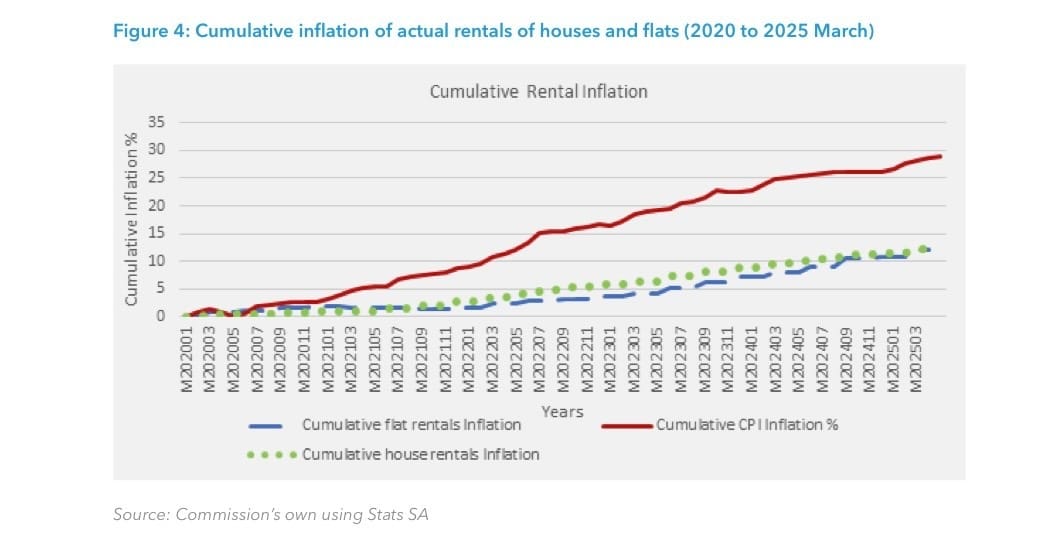
Mauritius has consistently recorded one of the highest consumer price levels in Africa, largely due to its small, open economy that relies heavily on imports. Staples such as rice, sugar, dairy, and processed foods are mostly imported, and fluctuations in global commodity prices directly influence domestic prices. Housing and utilities also contribute significantly to household expenses, particularly in urban centers like Port Louis and Curepipe. Early 2026 data show that while overall inflation has moderated compared with 2025 peaks, the cost of living remains elevated compared to larger African economies with similar income levels, reflecting structural exposure rather than cyclical spikes.
Institutional governance has played a central role in shaping the living cost profile. Mauritius benefits from a stable political environment, robust regulatory frameworks, and effective implementation of consumer protection laws. The government has historically intervened to buffer citizens from price shocks through targeted subsidies on fuel and electricity, as well as market oversight in key commodities. These mechanisms have ensured that, while the cost of living is high, it does not fluctuate wildly, providing households with a predictable, albeit elevated, baseline for expenses. Strong local institutions also allow for relatively efficient import management and distribution, which stabilizes supply chains and mitigates extreme price spikes.
Policy planning in early 2026 indicates a dual approach to long-term cost containment. First, the government aims to expand domestic agriculture through incentives for small-scale farmers, reducing reliance on imported staples. Second, authorities are exploring measures to enhance energy efficiency and public transportation affordability, which together could decrease household expenditures on utilities and mobility. Our assessment suggests that, if these policies are implemented effectively, Mauritius may gradually moderate its cost pressures over the next few years, although import dependency will continue to set a structural floor on prices.
From a comparative perspective, Mauritius demonstrates how a small, highly open economy can simultaneously maintain political stability, strong governance, and high living costs. While larger African economies face cost pressures tied to systemic inefficiencies or inflation, Mauritius’ challenge is primarily structural. Balancing high consumer prices with policy measures that sustain economic growth and social stability. In this sense, the country offers a case study in the top 10 African countries with the highest cost of living, where policy foresight and institutional capacity partially offset inherent market vulnerabilities, but cannot eliminate the pressures on households.
8. Cameroon
Cameroon’s cost of living at the start of 2026 reflects a combination of structural economic challenges and policy-driven dynamics. Consumer prices remain elevated across urban centers such as Douala and Yaoundé, where housing, food, and transport expenditures dominate household budgets. A significant factor is Cameroon’s heavy reliance on imported goods, particularly staples like rice, wheat, and cooking oil, whose prices are sensitive to global supply shocks and currency fluctuations. Additionally, infrastructure constraints, especially in logistics and transport, increase distribution costs, which are passed on to consumers, placing Cameroon among the African countries with high living costs despite moderate per capita income levels.
Institutionally, Cameroon presents a mixed picture. While the government maintains regulatory frameworks to stabilize markets and manage inflation, inconsistent policy enforcement and regional disparities reduce overall effectiveness. Northern and western regions, for instance, face higher logistical costs due to underdeveloped transport networks, while urban hubs benefit from relatively better distribution systems. Subsidies in sectors such as fuel and electricity provide partial relief, yet inefficiencies in administration and local governance sometimes delay these benefits from reaching households. These institutional dynamics illustrate why cost pressures remain elevated across the country.
Looking at policy revolutions in early 2026, the Cameroonian government has signaled plans to strengthen domestic agricultural production and improve local value chains, aiming to reduce dependency on imported food items. Initiatives include incentives for smallholder farmers, investments in rural storage facilities, and programs to enhance supply chain efficiency. If effectively implemented, these measures could stabilize prices over the medium term. However, currency volatility and ongoing regional conflicts, particularly in the northwest and southwest, may continue to exert upward pressure on household costs, limiting the short-term impact of these reforms.
From an analytical standpoint, Cameroon’s position in the top 10 African countries with the highest cost of living underscores the interplay between structural challenges and governance capacity. Unlike smaller, highly open economies, Cameroon’s high living costs are amplified by regional inequalities, import reliance, and administrative bottlenecks. While policy reforms indicate a forward-looking approach to controlling expenses, the country’s long-term course will depend on consistent implementation, infrastructural improvement, and political stability. Cameroon’s experience highlights how governance and structural conditions jointly shape household price pressures in Africa.
7. Ethiopia
Ethiopia’s cost of living at the start of 2026 remains relatively high due to a combination of inflationary pressures, currency depreciation, and supply-side constraints. Urban households in Addis Ababa and other major cities face significant expenses for housing, food, and transportation. A large share of household costs stems from food staples such as grains, cooking oil, and dairy, which are increasingly subject to international price volatility and local production shortfalls. Despite sustained economic growth over the past decade, Ethiopia’s rapid population expansion and urbanization have intensified demand for goods and services, placing upward pressure on everyday living costs and positioning the country among the African countries with high living costs.
Institutionally, Ethiopia presents a mix of strong policy ambitions and ongoing structural challenges. The government has implemented several initiatives to improve domestic food production, infrastructure, and market efficiency, but the effectiveness of these measures is uneven. Regional disparities, particularly between urban centers and rural areas affected by conflict or climate-related disruptions, exacerbate price pressures. While public subsidies and targeted interventions in sectors like electricity and fuel provide some relief, limited administrative capacity and logistical bottlenecks reduce the reach and consistency of these benefits, keeping consumer prices elevated despite policy efforts.
Looking ahead to 2026, Ethiopia’s government is prioritizing agricultural modernization, expansion of domestic manufacturing, and improvements in transport infrastructure to stabilize household expenses. Programs aimed at increasing local grain production, enhancing irrigation, and supporting small-scale farmers are intended to reduce reliance on imports, which in turn could moderate price volatility. However, persistent challenges including foreign exchange shortages, regional unrest, and climate shocks mean that these reforms may take time to significantly reduce the cost of living. Our analysis suggests that Ethiopia’s high living costs are structurally entrenched but could stabilize gradually if policy implementation remains consistent and security conditions improve.
From a comparative perspective, Ethiopia exemplifies the complex interplay between rapid economic growth and structural vulnerability in shaping household expenses. Unlike smaller island economies with high import dependence, Ethiopia’s size and population dynamics create unique pressures on food, housing, and transport costs. Its placement in the top 10 African countries with the highest cost of living illustrates that macroeconomic growth alone does not guarantee affordable living standards; institutional capacity, regional stability, and production efficiency are equally critical determinants. Ethiopia’s course highlights how large, resource-diverse economies must balance expansion with effective governance to manage cost-of-living pressures.
6. Angola
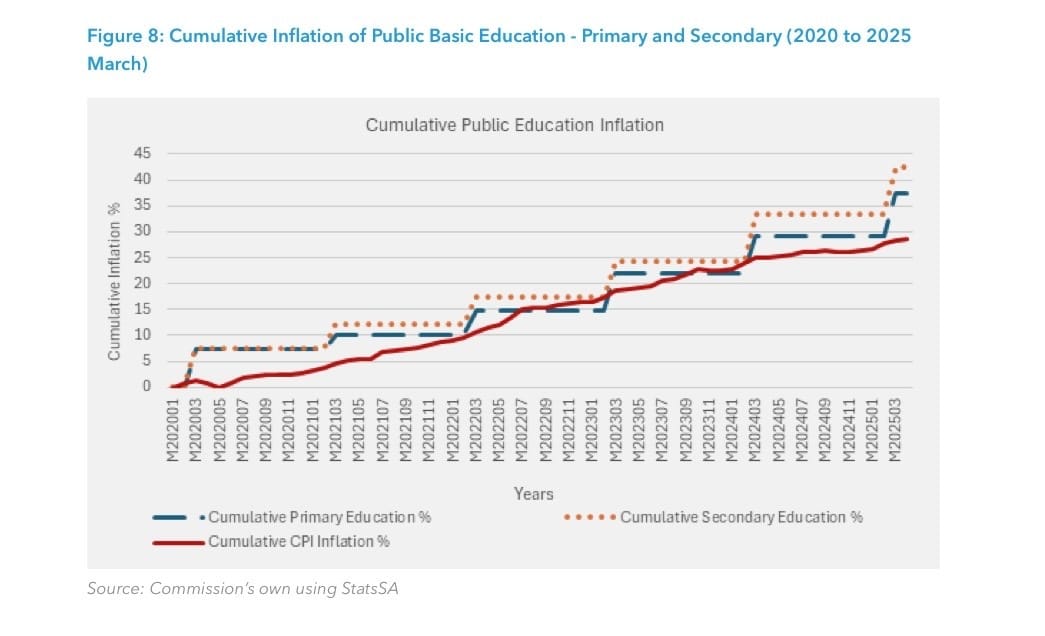
Angola’s cost of living at the start of 2026 shows the combined effects of currency volatility, high import dependence, and lingering economic distortions from past oil price shocks. Urban households in Luanda and other major cities face steep expenses for housing, transportation, and consumer goods, with imported food and fuel forming a large portion of household spending. While Angola has experienced macroeconomic stabilization since the mid-2020s, persistent currency fluctuations in the kwanza and high tariffs on imported goods continue to exert pressure on everyday living costs, placing Angola among the African countries with high living costs despite growing oil revenues.
Institutionally, Angola has taken steps to improve economic governance and consumer market regulation, but implementation remains uneven. The government’s efforts to diversify the economy away from oil through agriculture, manufacturing, and services have made some progress, but structural inefficiencies in distribution networks and limited local production capacity keep consumer prices elevated. Subsidies and price controls in energy and essential commodities provide partial relief, yet logistical bottlenecks and administrative delays often reduce their effectiveness, especially in rural and peri-urban areas. These dynamics illustrate how governance and infrastructure together shape the cost-of-living profile.
Looking into early 2026, Angola has signaled policy intentions aimed at further stabilizing household expenses. Plans include incentives to expand domestic food production, reduce import dependency, and strengthen supply chain efficiency. Additionally, currency management policies and targeted subsidies for low-income households are expected to mitigate short-term price volatility. Our analysis suggests that while these measures may moderate cost pressures over the next year, Angola’s reliance on imported goods and exposure to global commodity fluctuations will likely maintain its position as one of the most expensive countries to live in Africa in the near term.
From a comparative standpoint, Angola exemplifies a resource-rich African economy where high national income does not automatically translate into affordable living for households. Unlike smaller islands or trade-dependent nations, Angola’s structural challenges, including currency volatility, distribution inefficiencies, and import reliance keep everyday expenses high despite macroeconomic gains. Its ranking in the top 10 African countries with the highest cost of living reinforces the insight that institutional effectiveness, domestic production, and policy foresight are critical in shaping the real cost of living across African economies.
5. Ivory Coast
The Ivory Coast (Côte d’Ivoire) recorded a high cost of living at the start of 2026 due to a combination of rapid urbanization, import dependency, and inflationary pressures on essential goods. Urban households in Abidjan, the country’s economic hub, face significant expenses in housing, transportation, and food, particularly for imported staples such as rice, wheat, and processed products. Despite robust economic growth driven by cocoa exports and industrial expansion, local price levels remain elevated because of supply bottlenecks and reliance on foreign commodities, placing the country among the African countries with high living costs.
Institutional frameworks in the Ivory Coast are relatively well-developed, with government policies aimed at market regulation, price stabilization, and social welfare support. Subsidies on energy and select food items, combined with periodic interventions in import logistics, help to limit extreme price spikes. However, administrative inefficiencies, especially at regional levels, and inconsistent enforcement of regulations occasionally undermine these mechanisms. Infrastructure constraints, such as urban congestion and limited warehousing, further amplify the cost of goods reaching consumers, highlighting the interplay between governance, logistics, and household expenditures.
Looking ahead into 2026, the Ivorian government is implementing measures to strengthen domestic agricultural production and reduce dependency on imports, including support for smallholder farmers and programs to enhance local storage and distribution networks. Additionally, initiatives aimed at improving urban transportation efficiency are expected to gradually ease household expenses on mobility. Our analysis suggests that while these policies are promising, ongoing currency fluctuations, import price volatility, and urban demand pressures will likely keep living costs relatively high, reinforcing the Ivory Coast’s position among the most expensive countries to live in Africa.
Ivory Coast demonstrates how a growing, export-oriented African economy can still experience elevated living costs due to structural supply chain issues and urban pressures. Unlike smaller island economies, where import dependence dominates, the Ivory Coast faces a complex combination of rapid urban population growth, partial domestic production, and infrastructural bottlenecks. Its placement in the top 10 African countries with the highest cost of living underscores the necessity of pairing economic growth with effective governance and domestic production strategies to manage real household expenses.
4. Cape Verde
Cape Verde’s cost of living remains among the highest in Africa due to its status as a small, island economy heavily dependent on imports. Almost all staple foods, fuel, and manufactured goods are imported, meaning that global price fluctuations and shipping costs have a direct impact on household expenses. Urban centers such as Praia and Mindelo experience particularly high prices for housing, transportation, and utilities, reflecting both geographic constraints and the limited scale of local production. These factors place Cape Verde squarely on the list of African countries with high living costs, despite modest income levels relative to larger continental economies.
Economic data from early 2026 indicate that currency fluctuations in the Cape Verdean escudo and international shipping disruptions have contributed to price volatility over the past year. Government efforts to stabilize essential goods prices, including subsidies for fuel and strategic food items, have mitigated extreme spikes but cannot eliminate structural pressures. Infrastructure limitations, particularly in transport and storage, further amplify costs, as imports must traverse long supply chains from Europe or West Africa before reaching consumers. This combination of geographic and logistical constraints illustrates why Cape Verde consistently ranks high in cost-of-living indices.
Policy developments in early 2026 show the government emphasizing local production and renewable energy initiatives to ease household expenditure burdens. Programs to encourage small-scale agriculture and fisheries aim to reduce reliance on imported staples, while investments in solar energy seek to moderate electricity costs. Our analysis suggests that while these initiatives are promising, Cape Verde’s structural reliance on imports and its small domestic market will continue to maintain high living costs in the near term. Forward-looking strategies are therefore focused on resilience and price stabilization rather than rapid reductions in overall consumer expenses.
From a broader perspective, Cape Verde demonstrates how geographic isolation and limited domestic production capacity shape cost-of-living outcomes in Africa. Unlike larger mainland economies, where high costs often stem from policy inefficiencies or urban pressures, the island’s high expenses are largely structural and predictable. Its position in the top 10 African countries with the highest cost of living underlines the importance of long-term planning, strategic policy, and infrastructure investment in mitigating household price pressures, even in relatively stable political environments.
3. Senegal
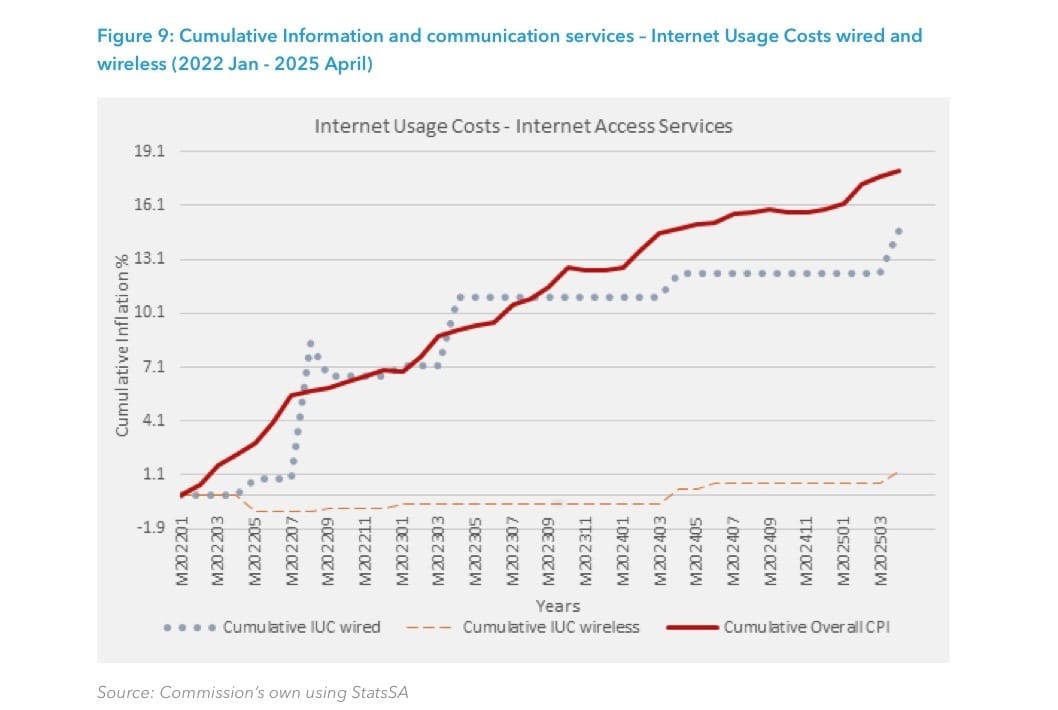
Senegal’s cost of living at the start of 2026 is driven by a combination of urbanization, import reliance, and regional supply chain pressures. In Dakar, Saint-Louis, and other major cities, households face elevated costs for housing, transportation, and everyday goods. Essential imports such as rice, wheat, and cooking oil account for a significant portion of consumer expenses, with global price fluctuations quickly transmitted to local markets. These structural factors place Senegal among the most expensive countries to live in Africa, even as average income levels remain moderate compared to North or Southern Africa.
The government of Senegal has implemented policy measures aimed at stabilizing household costs, including subsidies on fuel, regulated pricing for certain staple goods, and targeted social support programs. Early 2026 reports indicate these interventions have partially mitigated inflationary pressures but are limited in scope due to logistical challenges and regional disparities. Rural areas, in particular, face higher transport and storage costs, which feed into urban markets through distribution networks. These dynamics highlight how governance, infrastructure, and market mechanisms intersect to shape everyday living costs.
Recent policy initiatives reflect Senegal’s focus on reducing import dependency while strengthening domestic production. Programs supporting local agriculture, including rice cultivation and food processing, aim to provide more stable pricing for households. Investments in port efficiency and transportation infrastructure are also underway to reduce distribution costs and improve access to essential goods. Our assessment suggests that while these reforms are promising, short-term volatility in global commodity prices and currency fluctuations in the CFA franc will likely sustain high consumer prices, keeping Senegal firmly within the top 10 African countries with the highest cost of living.
In broader terms, Senegal exemplifies how mid-sized West African economies steer structural vulnerabilities while seeking to stabilize household expenses. Unlike small island economies, where isolation drives prices, or oil-dependent states, where macroeconomic shocks dominate, Senegal’s high living costs are shaped by urbanization, regional supply networks, and partial import reliance. Its placement in the ranking stresses the critical role of targeted policy, infrastructure development, and domestic production in managing cost-of-living pressures across the continent, offering lessons for other rapidly urbanizing African nations.
2. Democratic Republic of Congo
The Democratic Republic of Congo (DRC) faces some of the highest consumer prices in Africa at the start of 2026, despite abundant natural resources. Urban centers such as Kinshasa, Lubumbashi, and Goma exhibit particularly high costs for housing, food, and transportation. A combination of heavy import reliance, infrastructure deficits, and logistics bottlenecks drives up prices for everyday goods. Essential staples like rice, sugar, and cooking oil are subject to global market volatility, while domestic production struggles to meet urban demand. These factors make the DRC one of the most expensive countries to live in Africa, even when average household incomes remain relatively low.
Institutional challenges exacerbate cost pressures. Weak regulatory oversight, fragmented administrative structures, and inconsistent enforcement of pricing policies mean that subsidies or interventions often fail to reach the intended populations. Electricity shortages, poor road networks, and high transportation costs further inflate the prices of both imported and domestically produced goods. While government policies target stabilization, their uneven implementation across regions underscores how governance capacity directly affects household living costs in the DRC’s geographic and demographic scale.
Policy trends in early 2026 indicate an emphasis on expanding domestic agricultural production and improving logistical infrastructure to reduce dependency on imports. Programs aimed at supporting smallholder farmers and local food processing are expected to gradually improve supply stability. Simultaneously, efforts to strengthen transport corridors and energy provision aim to reduce the cost of moving goods to urban markets. Our analysis suggests that, while these interventions may eventually moderate consumer expenses, structural constraints particularly infrastructure deficits and currency fluctuations will likely maintain DRC’s position near the top of the top 10 African countries with the highest cost of living for the foreseeable future.
From a broader analytical perspective, the DRC demonstrates how resource wealth does not automatically translate into affordable living standards. Unlike island or mid-sized economies, high costs in the DRC stem from the interplay of governance limitations, infrastructural gaps, and urban demand pressures. The country’s placement in the ranking underscores the importance of not only policy intent but also effective execution, infrastructure investment, and market regulation in managing household price burdens. For analysts and policymakers, the DRC offers a clear example of how systemic challenges shape cost-of-living outcomes in a large, resource-rich African state.
1. Seychelles
Seychelles tops the list of African countries with the highest cost of living at the start of 2026, reflecting its small, highly import-dependent island economy. Virtually all food, fuel, and consumer goods are imported, making household expenses extremely sensitive to global price shifts and shipping costs. Urban centers such as Victoria face high costs for housing, utilities, and transportation, while the tourism-driven economy further elevates service prices. These structural factors place Seychelles at the pinnacle of the top 10 African countries with the highest cost of living, with everyday expenses significantly higher than in most other African states.
The country’s institutional and policy frameworks contribute to both stability and cost pressures. Seychelles maintains strong governance, regulatory oversight, and consumer protection measures that prevent extreme market volatility. However, geographic isolation and limited domestic production capacity mean that price moderation is largely dependent on import costs and currency stability. Government interventions, including targeted subsidies for fuel and essential goods, mitigate the most acute price shocks, but the underlying dependence on international markets ensures that living costs remain persistently high.
Policy initiatives in early 2026 emphasize economic diversification and resilience-building measures. Efforts to expand local food production, particularly fisheries and small-scale agriculture, aim to reduce exposure to global commodity fluctuations. Investments in renewable energy and improved logistics are also underway to contain utility and transportation costs. Our analysis indicates that while these policies are forward-looking and likely to provide some relief over time, Seychelles’ structural constraints, limited domestic market size, high import reliance, and global exposure will continue to maintain its position as the most expensive country to live in Africa.
From an analytical perspective, Seychelles illustrates the extreme case of how geography and market structure can dominate cost-of-living dynamics. Unlike larger continental economies, where governance, production capacity, and infrastructure interact to shape prices, Seychelles’ high living costs are primarily structural and predictable. Its position at number one in the top 10 African countries with the highest cost of living reinforces the insight that policy interventions can moderate, but not eliminate, the pressures faced by households in small, highly open economies. For policymakers, the Seychelles example highlights the importance of balancing economic openness with domestic production and resilience measures to protect citizens from global price volatility.
Across the continent, the top 10 African countries with the highest cost of living in early 2026 reveal a pattern where structural factors, including import reliance, currency volatility, urban pressures, and infrastructure limitations outweigh average income in shaping household expenses. Island economies like Seychelles and Cape Verde face predictable high prices due to geographic constraints, while resource-rich or rapidly urbanizing states such as DRC, Angola, and Senegal contend with governance, distribution, and market inefficiencies. Looking forward, policy measures that expand domestic production, strengthen infrastructure, and stabilize currency will be crucial in moderating costs, but structural and global market dynamics suggest that these countries will remain among the most expensive in Africa in the near term.